Playas del Coco weather splits cleanly into two seasons. It is typically super dry from December to April, and rainy from May to November. Each season really changes what your trip should look like.
We’re Sarah and Thomas, and we’ve lived in Costa Rica since 2016, so we’ve spent enough Marches sweating on this coastline and enough Octobers hiding from the rain to know exactly what you’re walking into.
Below we break down what to expect every month, what to pack, and when to book so you’re not caught off guard.
Playas del Coco Weather At a Glance
- Dry season: December to April, hot and sunny, basically zero rain
- Rainy season: May to November, sunny mornings, afternoon downpours
- Hottest months: March and April, highs around 95°F (35°C)
- Wettest month: October, averaging 12.9 inches (327 mm) of rain
- Daytime highs year-round: 88°F to 95°F (31°C to 35°C)
- Nighttime lows: 74°F to 79°F (23°C to 26°C)
- Sunrise and sunset: Sun’s up around 5:45am and down by 5:30pm pretty much all year, plan outdoor time accordingly
Visiting in dry season? Book early, this is peak tourist time and things fill up fast.
- 🚗 10% off your rental car with Adobe — our go-to local rental company
- 🏨 Book your hotel on Booking.com for flexible cancellation
- 🎟️ Book activities on Viator for secure payment and easy cancellation
And a heads up on the heat: this isn’t a “pack a hat and you’re fine” kind of sun. It’s strong enough to burn fast, tire you out on hikes way quicker than you’d expect, and dehydrate you if you’re not drinking constantly. Take it seriously, especially March and April.
Dry Season (December to April)

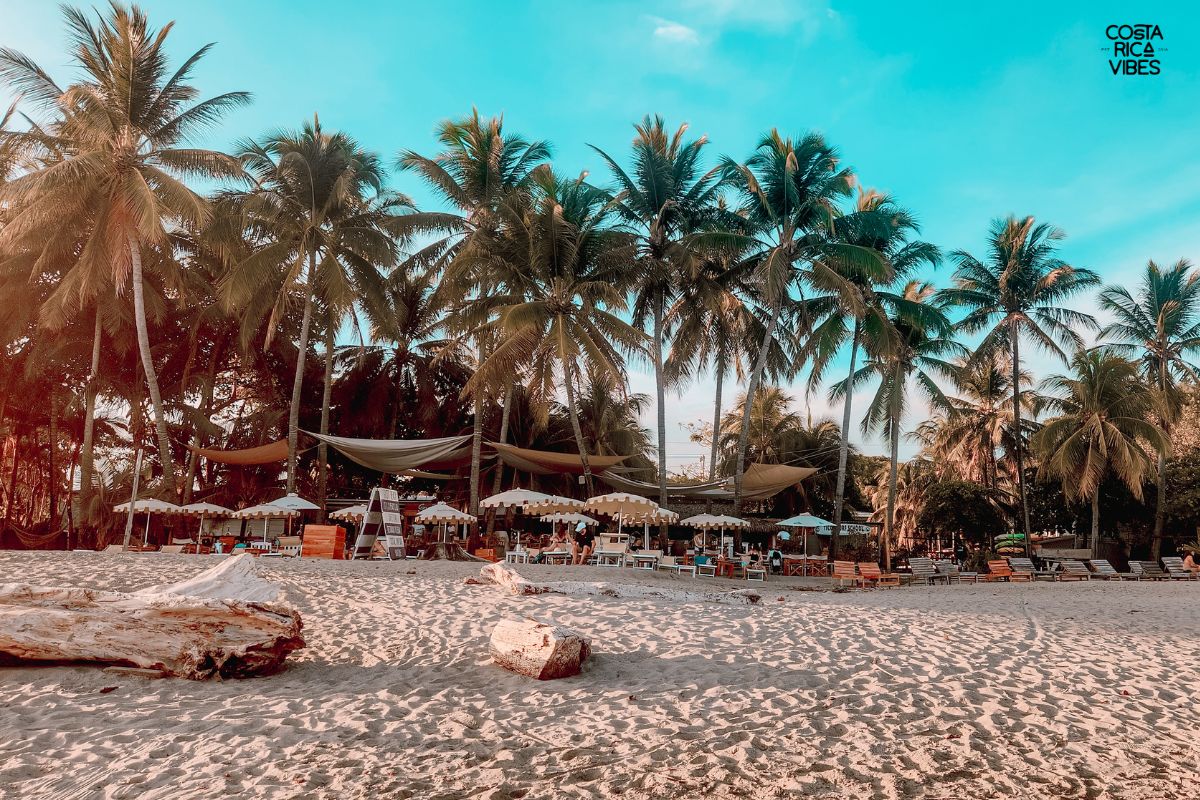
In Playas del Coco it is usually hot, sunny, and basically rain-free. You can expect calm clear water, reliable weather, and the best conditions for anything on or in the ocean.
Plus, it is a great time to visit if escaping the cold from the Northern Hemisphere.
Where to Stay in Playas del Coco: Our Top Picks
Hotel Bosque del Mar Playa Hermosa
📍 Playa Hermosa
A boutique beachfront hotel set in lush gardens, just north of Coco.
Check prices →Hotel Good Life
📍 Playas del Coco
A boutique hotel with modern, air-conditioned rooms.
Check prices →Finca Brisas de la Montaña
📍 Just outside Coco
Renovated apartments with full kitchens, private terraces and a pool with mountain views.
Check prices →| Month | Daytime High | Rainfall | What to Know |
|---|---|---|---|
| December | 88°F / 31°C | ~0.8 in | Festive and crowded, especially Christmas through New Year’s. Some businesses close for the holiday week. |
| January | 90°F / 32°C | <0.5 in | Peak season, dry and sunny, book ahead |
| February | 92°F / 33°C | ~0.3 in | Consistent dry heat, busy but manageable |
| March | 93°F / 34°C | ~0.2 in | Hottest, driest month, ideal for water sports |
| April | 94°F / 34°C | ~1 in | First hints of rain by month’s end |
Heads up for Semana Santa: The week before and after Easter gets wild. Costa Ricans are off work and everyone heads to the beach, so expect crowds. Book as far ahead as you can if your trip lands here. We’ve got a full guide to Easter in Costa Rica if you’re planning around it.
School vacation crowds: Costa Rican kids are out of school in July and again from December through January. Costa Ricans love to head to the beaches during this time. Expect noticeably fuller beaches and busier restaurants in town. If you’re after a quieter trip, plan around these windows. If you don’t mind the energy, these are fun time to be here.
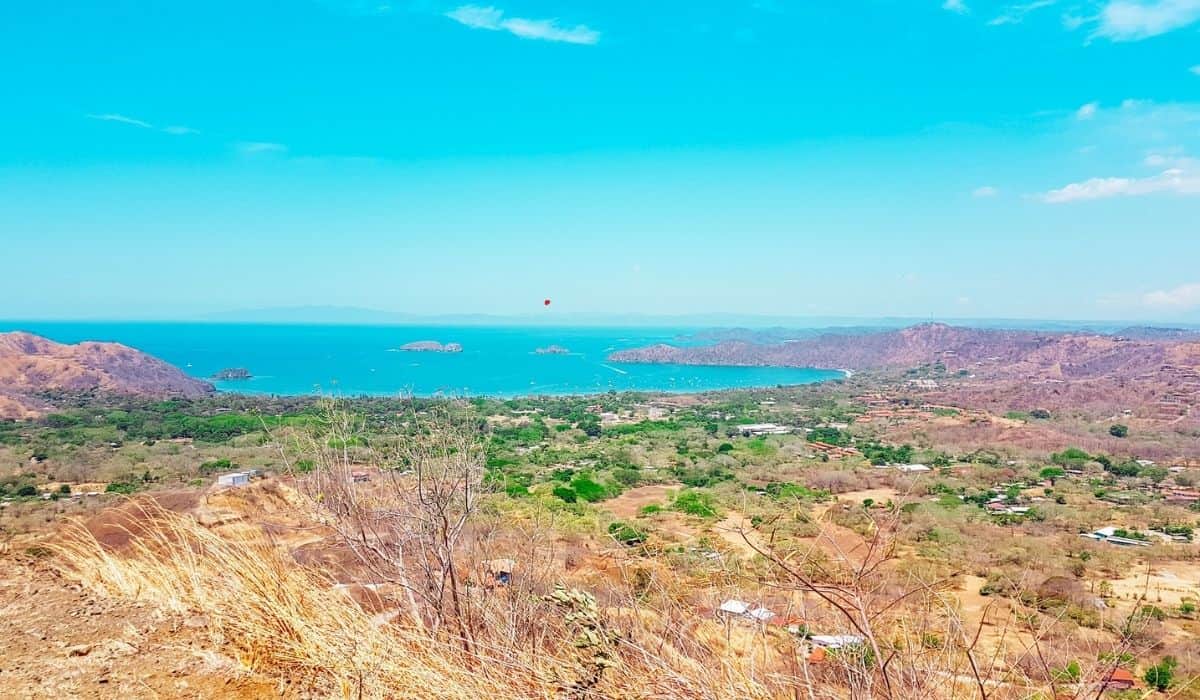
By late dry season, things get crispy. By March and April the landscape has been baking for months with zero rain, so expect brown, dusty hillsides instead of the lush green you see in photos. It’s also fire season. Brush and forest fires do happen this time of year, especially in windier, drier inland areas, so don’t be surprised if you smell smoke or see haze in the air during a particularly dry stretch.
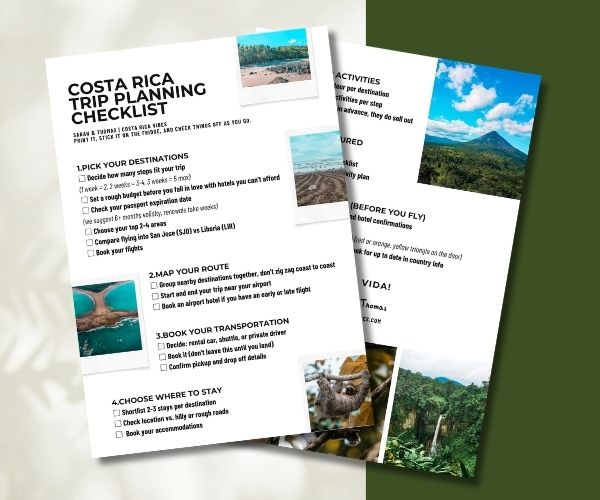
Is Costa Rica planning feeling overwhelming? Let us break it down for you.
Sign up for free, step by step guidance (plus your printable planning checklist right now) and we’ll tell you exactly what to do next, and when.
Rainy Season (May to November)
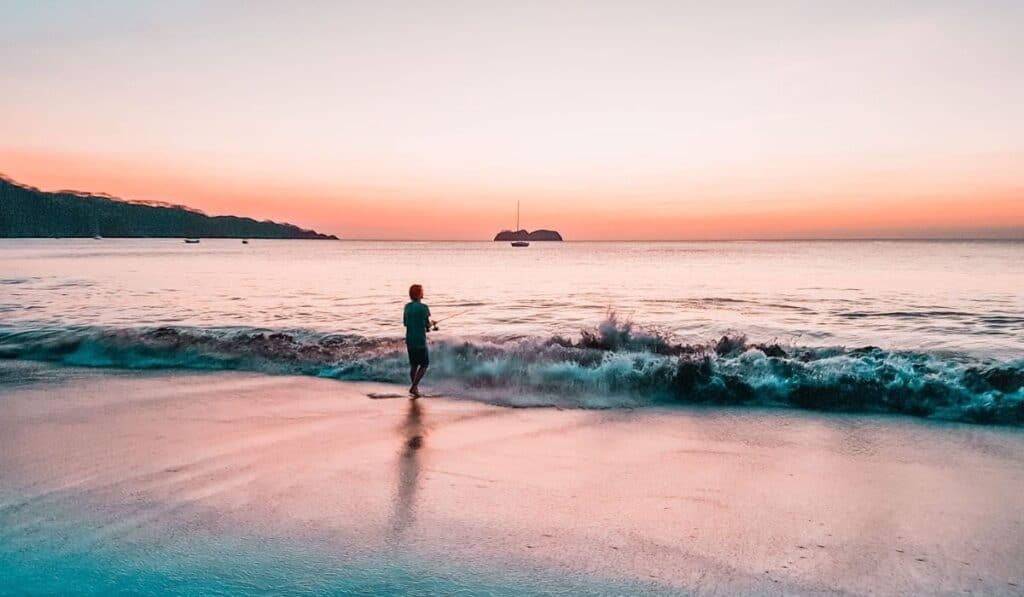
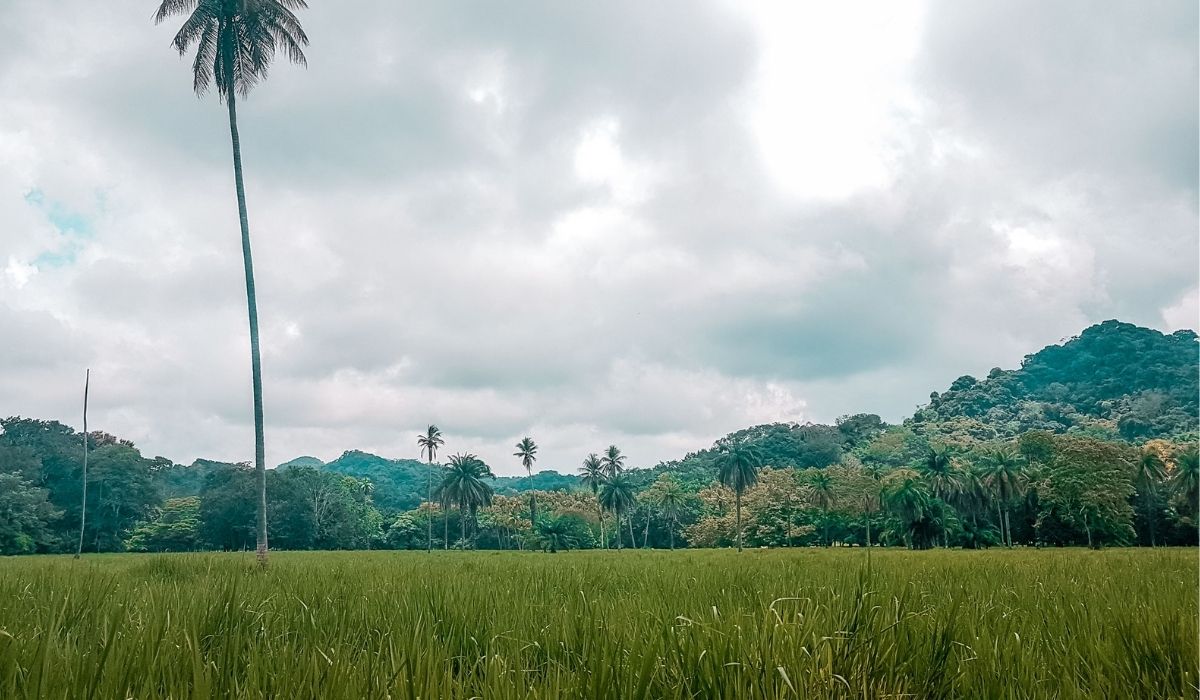
Don’t let the name “rainy season” scare you off. I guess we should call it “green season” instead.
Early in the season, this means sunny mornings with an afternoon shower that typically lasts from about 2PM to 4PM. This is also when the crowds thin out, prices drop, and the landscape turns a deep, jungly green.
If you’re set on that classic “sunny morning, quick afternoon rain” experience, aim for May, June, or early July.
By September and October, it’s not just an afternoon rain anymore, you can get full days of steady rain, and storms can roll in outside the usual afternoon window too. The nice thing is, prices for hotels, activities, and rental cars go way down at this time of year.
If you’re coming in the back half of the season, pack for the possibility of a full rainy day, not just a passing shower.
| Month | Daytime High | Rainfall | What to Know |
|---|---|---|---|
| May | 88°F / 31°C | ~5 in | Rain picks up, tourists thin out |
| June | 86°F / 30°C | ~7 in | Regular afternoon showers, quiet and lush |
| July | 85°F / 29°C | ~6 in | “Veranillo,” a short dry spell mid-rainy season, slight tourist bump |
| August | 85°F / 29°C | ~9 in | Heavier rain returns, mornings still often clear |
| September | 84°F / 29°C | ~11 in | One of the wettest months, low season, great deals |
| October | 83°F / 28°C | ~12.9 in | Peak rainfall, lowest tourism, best prices of the year |
| November | 84°F / 29°C | ~7 in | Rain starts tapering, dry season on the horizon |
What to Pack
Everyday essentials
- A backpack over a suitcase if you can swing it. We use the Osprey Fairview 55L for carry-on trips (unclip the daypack for under the seat and bigger part in overhead) and the Osprey 75L when we’re checking a bag
- Sun Bum SPF 50, reef-safe and strong enough for how intense the sun gets here
- Teva Voya flip flops for men and women, waterproof with real grip
- Columbia Bora Bora sun hat, packs small and actually blocks sun
- Sun Bum Cool Down aloe lotion for when the SPF doesn’t save you
- Microfiber towel for the beach, hotels rarely provide one
- LifeStraw Go water bottle for peace of mind, though tap water here is safe
- Insect repellent, mosquitos show up once the sun goes down year-round
Rainy season add-ons
- Anker power bank for outages
- Large ziplock bags, nothing dries in rainy season and these keep damp clothes contained
- Rain jacket, lightweight and breathable
- Waterproof backpack, good for boat trips and beach days too
- Motion sickness pills, helpful for winding roads and choppier boat rides
- Headlamp, useful year-round since the sun sets by 6pm
Safety Notes by Season
- The sun here is no joke. Wear SPF 50+, throw on a long sleeve swim shirt in the water, and stay in the shade when you can
- Dehydration sneaks up fast. Drink water and grab a Gatorade or Powerade when you feel off
- Heat makes hikes and activities more tiring than you’re probably used to, pace yourself
- Rainy season brings stronger rip currents and bigger waves, pay attention to posted signs
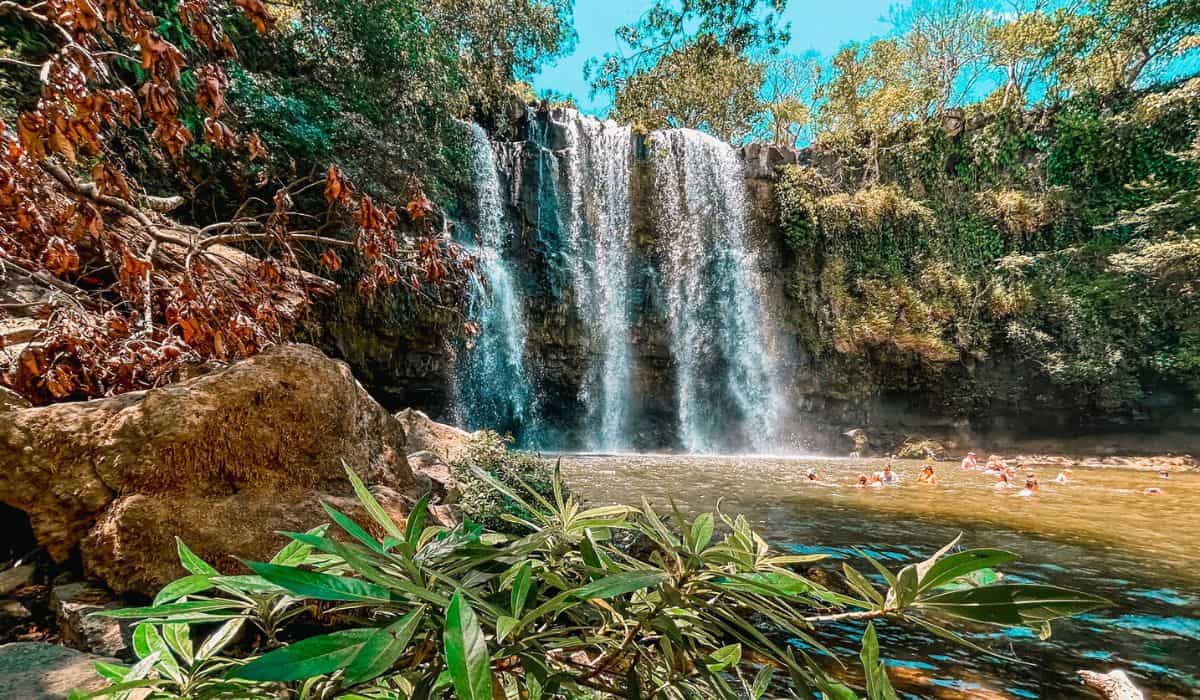
- Waterfalls here often have no barriers, and rocks get slick in the rain. People have died from slipping, so use real caution
- Mosquitos are worse in rainy season and can carry dengue or zika, don’t skip the bug spray
Our Take

We think Playas del Coco is worth visiting any time of year, it just depends what you’re after.
Dry season gives you guaranteed sun and busier beaches, rainy season gives you quiet, green, and better deals with a predictable afternoon rain window you can plan around.
Either way, book your rental car and hotel early if you’re coming during peak months, this town fills up fast.
Ready to Plan Your Trip to Playas del Coco?
Here’s where to start:
- Fly into Liberia, not San José. Coco is less than an hour from the Liberia International Airport (LIR), compared to a 4+ hour drive if you land in San José. Adobe, our favorite local rental car company, has an office about two minutes from the Liberia airport, so you can be at the beach before you even feel like you’ve traveled. 🚗 Our full guide to renting a car at Liberia Airport
- Where to stay. We’ve got a full breakdown of our favorite places to stay in and around Coco, including a few options just up the road in quieter Playa Hermosa. 🏨 Best Hotels in Playas del Coco
- Where to eat. Downtown Coco has a legit restaurant scene for a beach town this size, everything from beachfront seafood to Italian to Indian food. 🍽️ Best Restaurants in Playas del Coco
- What to do while you’re there. Between diving, sportfishing, catamaran tours, and nearby waterfalls, there’s plenty to fill your days. 🌴 Best Things to Do in Guanacaste
- Use Coco as your home base. One of the best things about staying here is how central it is. You’re close enough to hop up the coast for a day trip without needing to change hotels. 🚗 Day trip to Tamarindo for surf, shopping, and a great beach walk 🚗 Day trip to Playa Flamingo for calmer water and a quieter, polished beach day
Plan Your Costa Rica Trip Like a Pro
🏨 Browse our hand-picked hotels: Search stays we actually recommend; with smart filters, clear locations, and plenty of free-cancellation options.
🏡 Find vacation rentals that make sense for your trip: From jungle villas with pools to laid-back beachfront homes.
🚗 Save 10% on your car rental: Plus free second driver, 0% deductible, and genuinely great service (this is who we use ourselves).
🚐 Compare shuttles & private transfers: Easy airport pickups and point-to-point rides anywhere in Costa Rica. Use code: SARAHMC5 at checkout.
✈️ Compare flights: We use Skyscanner to compare routes, prices, and flexible dates, especially helpful when flying into or out of Costa Rica’s different airports.
🛡️ Travel insurance: We always recommend traveling Costa Rica with insurance that covers medical care, trip interruptions, and adventure activities. It’s one of those things you hope you don’t need, but are very glad to have if plans change.
🌴 Plan Smarter, Travel Easier
Before you go, here are the tools we personally use for every Costa Rica trip:
🚗 Should I rent a car in Costa Rica?
Having your own car gives you the most flexibility to explore beaches, volcanoes, and waterfalls at your own pace.
- Save 10% Plus Other Perks with Our Adobe Rental Car Discount
- You might also consider; shared or private shuttle services
🏄🏽 How can I book tours and activities?
We love Viator for its wide selection, verified reviews, and free cancellation on most tours.
🍍 I’m overwhelmed with planning. Can you help?
No worries! We’ve got you! You can:
- 📧 Sign up for our email list (we walk you through the planning process step-by-step)
- 🗺️ Visit our Start Here Page for planning guidance.
- 💼 Check out our ready-made Costa Rica itinerary for the perfect one-week trip plan
- 🤖 Try Slothy, our free AI trip planner, for a personalized route with hotel and destination suggestions.
✈️ What is the best way to book a flight?
Use Skyscanner to compare flights into both San José (SJO) and Liberia (LIR).
🛏️ What is the best way to book my Costa Rica hotels?
We like Booking.com for hotel bookings and VRBO for private villas and vacation homes.
🗣️What is the main language in Costa Rica?
The main language in Costa Rica is Spanish. Most people working in tourism speak at least some English.
💰 What is the currency in Costa Rica?
The currency used in Costa Rica is the Costa Rican colón (CRC). However, the US dollar is widely accepted in most tourist areas
📞 What is the best way to stay connected?
An eSIM from Airalo is the easiest way to get instant 4G data when you land. No kiosk or SIM swap required.
🌴 Is Costa Rica safe?
Generally, Costa Rica is considered safe for tourists. However, like any travel destination, it’s best to use caution and be aware of your surroundings.
🛂 Do you need a passport to go to Costa Rica?
Yes, Costa Rica is its own country. You will need a passport to visit.

Sarah McArthur
Sarah is the co-founder and main writer of Costa Rica Vibes. Originally from the US, she has lived in San José, Costa Rica since 2016 with her husband Thomas, who takes the photos you see on this site.
Together they have been writing about Costa Rica since 2017, drawing on years of road trips, hotel stays, and tours in every region of the country.
Read more about Sarah
Sarah McArthur
Sarah is the co-founder and main writer of Costa Rica Vibes. Originally from the US, she has lived in San José, Costa Rica since 2016 with her husband Thomas, who takes the photos you see on this site.
Together they have been writing about Costa Rica since 2017, drawing on years of road trips, hotel stays, and tours in every region of the country.
Read more about Sarah