
The Nicoya Vibe
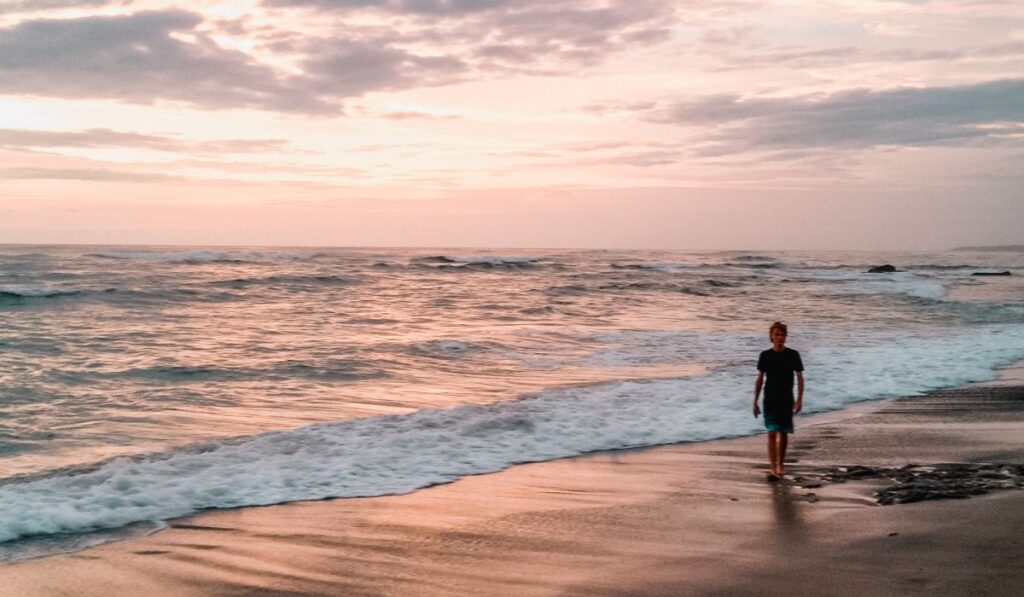
The Nicoya Peninsula isn’t polished or overly developed. In fact, that’s exactly why people (including us) fall in love with it.
If you’re looking for big all-inclusive resorts and perfectly paved highways, this might not be your place. But if you want sunset surf sessions, bohemian beach towns, wildlife, and a true “get away from it all” vibe, the Nicoya Peninsula more than delivers.
Where is the Nicoya Peninsula?
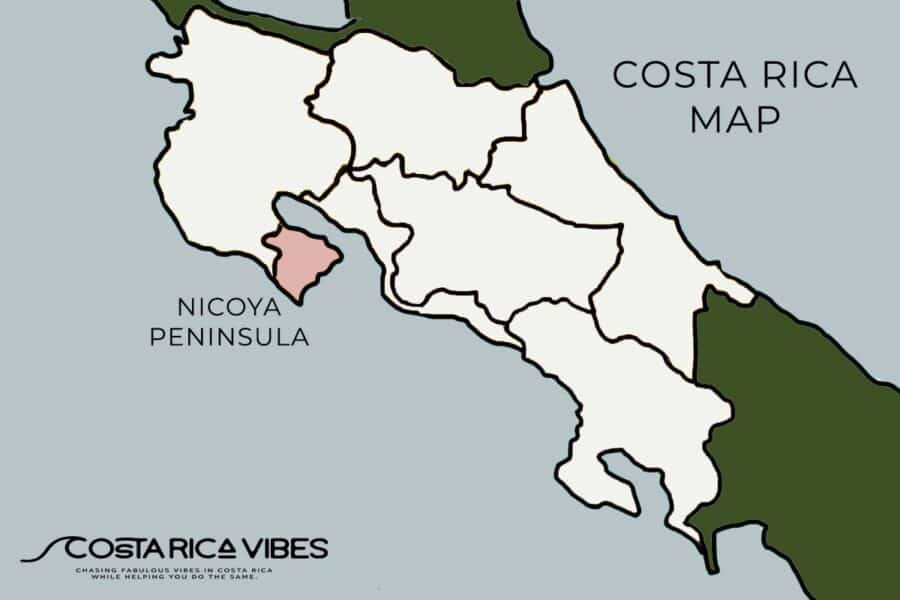
The Nicoya Peninsula is located on Costa Rica’s northwestern Pacific coast. It stretches south from the Gulf of Papagayo down toward the southern Pacific region, separated from the mainland by the Gulf of Nicoya.
It’s accessible from:
- Juan Santamaría International Airport (SJO) near San José
- Daniel Oduber Quirós International Airport (LIR) in Liberia
Depending on where you’re staying, travel time ranges from 3–6 hours.
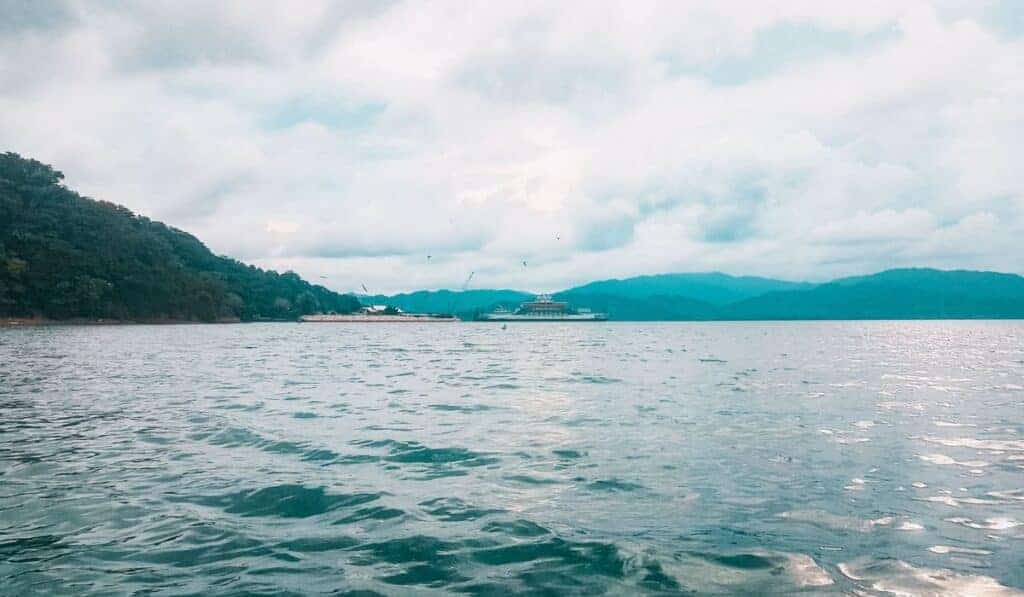
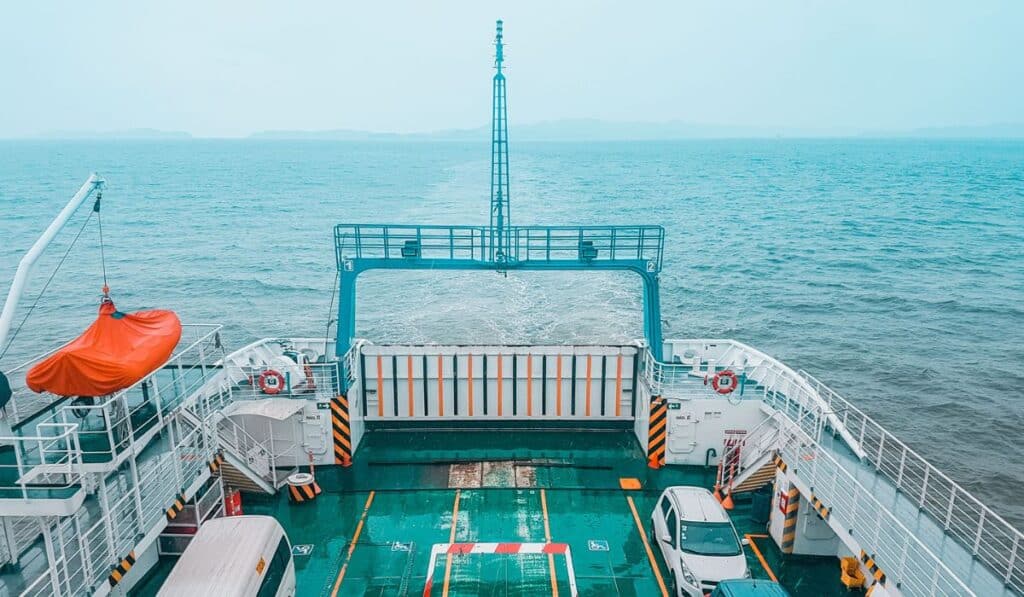
Most people get to the southern part of the Nicoya Peninsula via the Puntarenas ferry. This cuts driving time and adds a scenic boat ride across the Gulf of Nicoya.
The Nicoya Peninsula Towns
‘Each town here has a completely different vibe




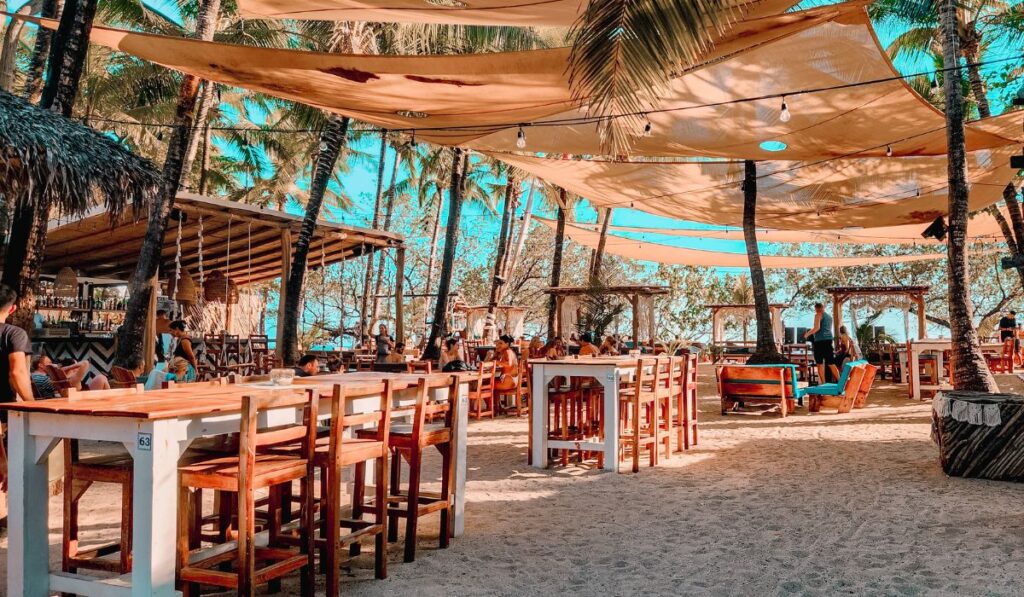


Santa Teresa
Best for: Surf, nightlife, digital nomads, boutique stays
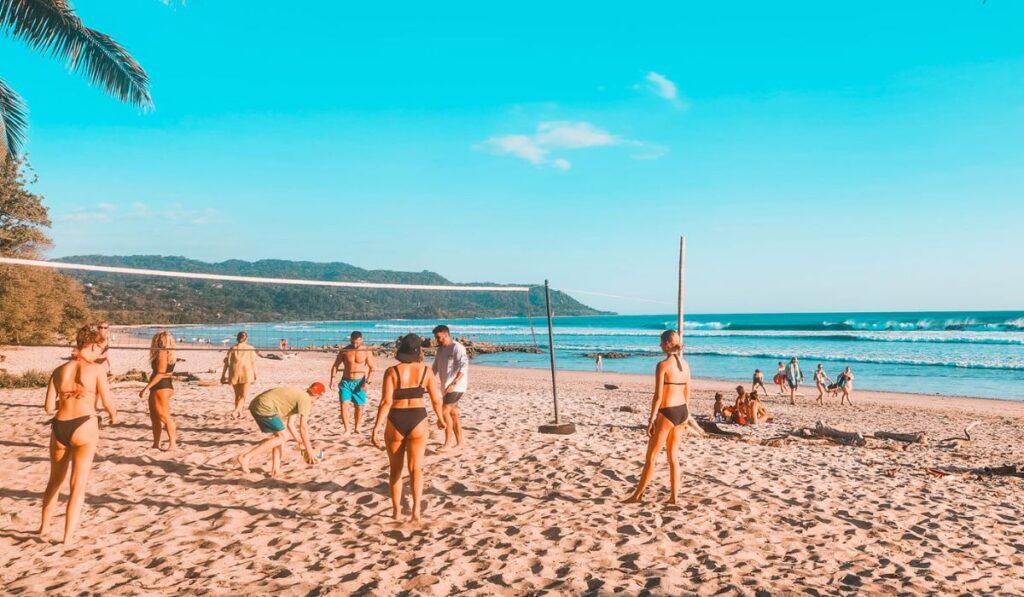
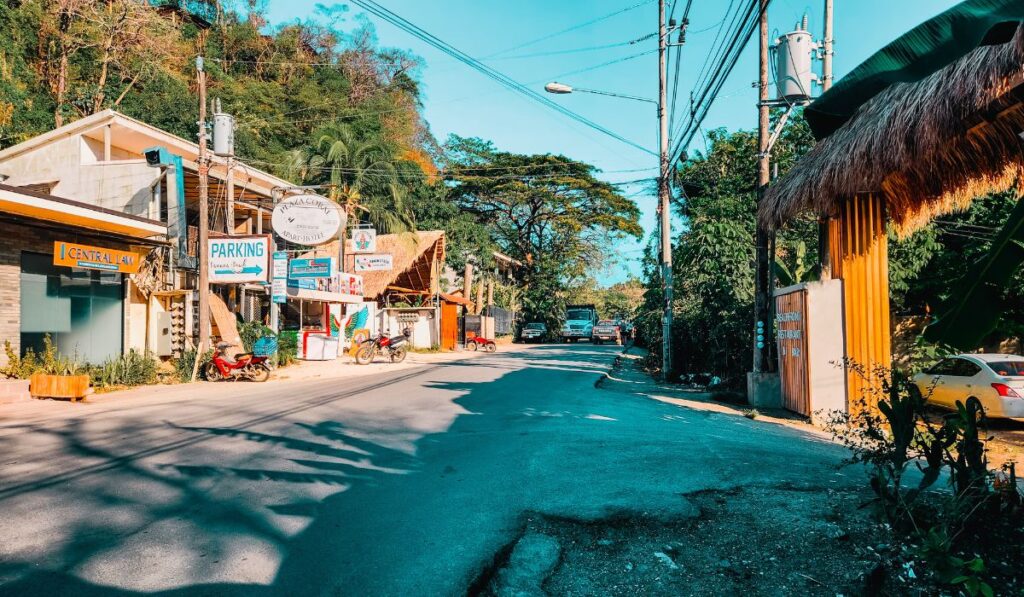
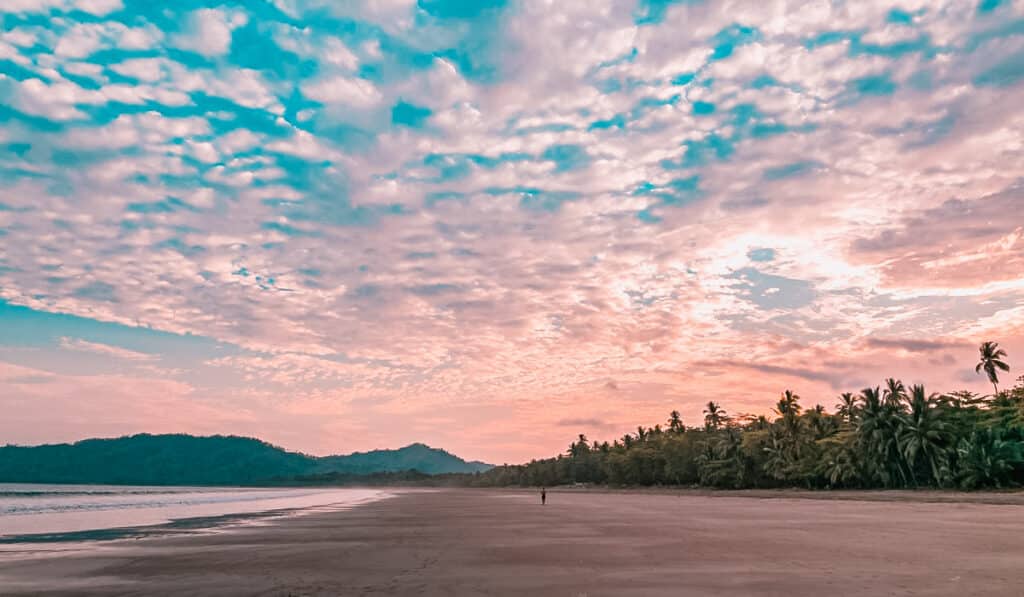
Santa Teresa has transformed over the years from a quiet surf village into one of Costa Rica’s trendiest beach destinations. Expect long sandy beaches, consistent surf breaks, yoga studios, upscale restaurants, and stylish boutique hotels. It’s lively but still maintains a barefoot beach vibe.
Montezuma
Best for: Waterfalls, bohemian charm, relaxed travelers
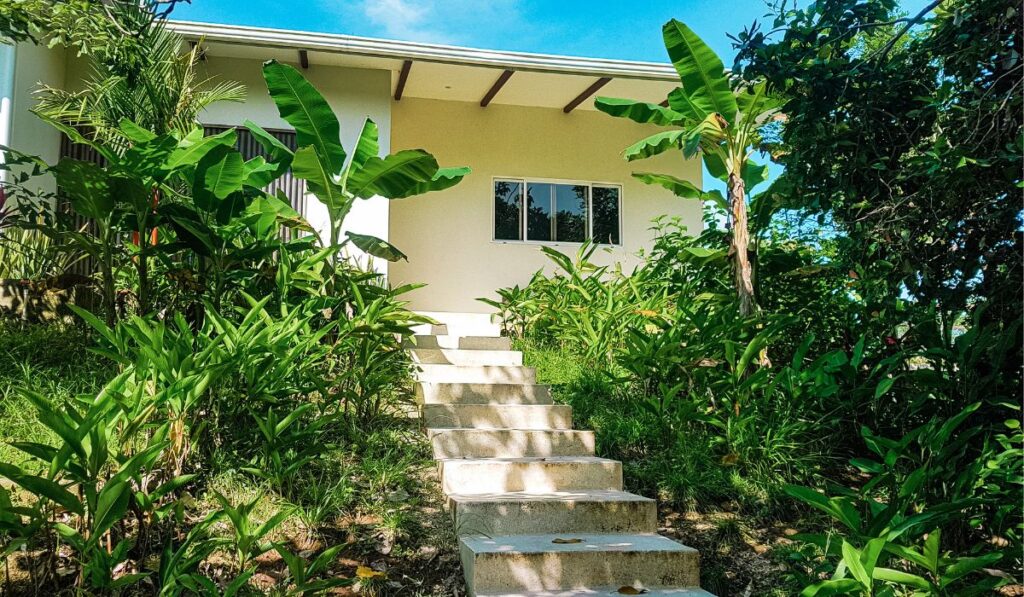
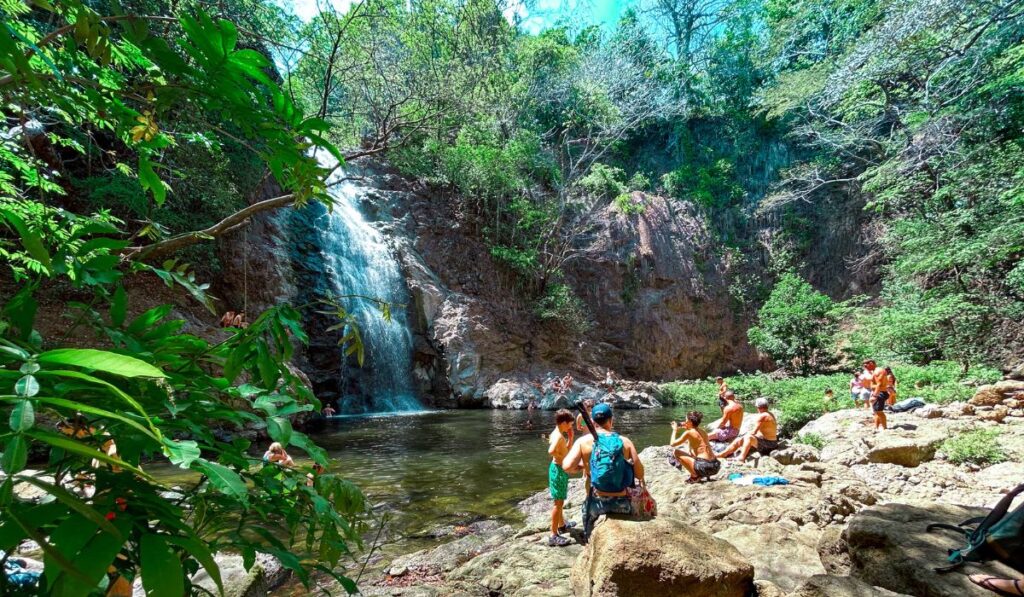
Montezuma sits on the southern tip of the peninsula and feels creative, artsy, and slightly off-grid. The Montezuma Waterfalls are a major draw, and the town has a laid-back, backpacker-meets-wellness atmosphere. It’s possibly our favorite town in Costa Rica.




Nosara
Best for: Surf + yoga culture, wellness retreats
Nosara has gained major popularity for its surf breaks (especially Playa Guiones) and strong wellness scene. It used to be very peaceful, but now is more Instagram-ish and prices have gone way up.
Samara
Best for: Families, swimming beaches, balanced vibe
Samara offers one of the safest swimming beaches on the peninsula thanks to its protected bay. It’s walkable, welcoming, and has a strong local community. Great option if you want beach time without heavy surf.


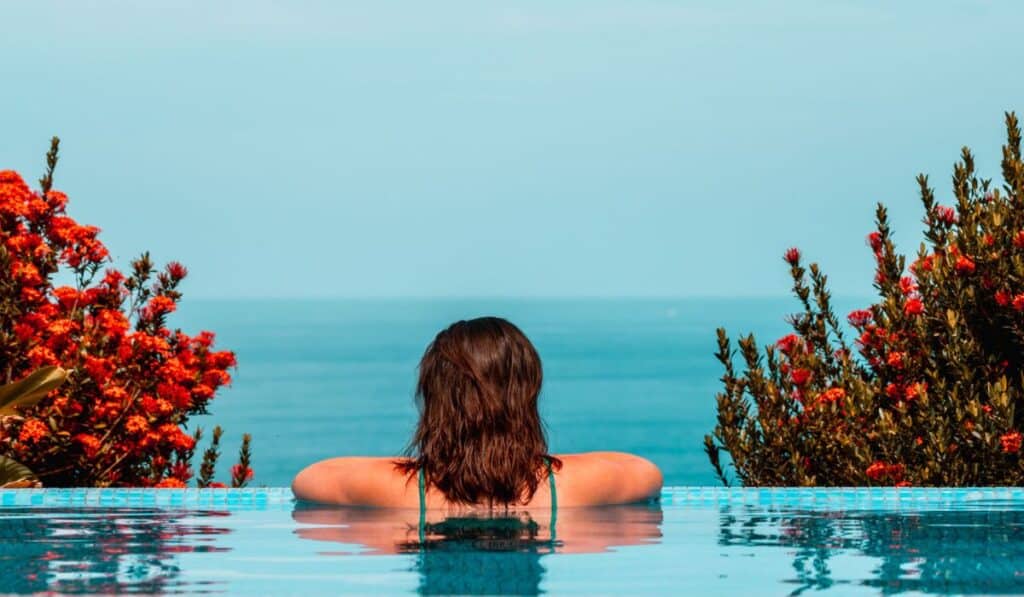


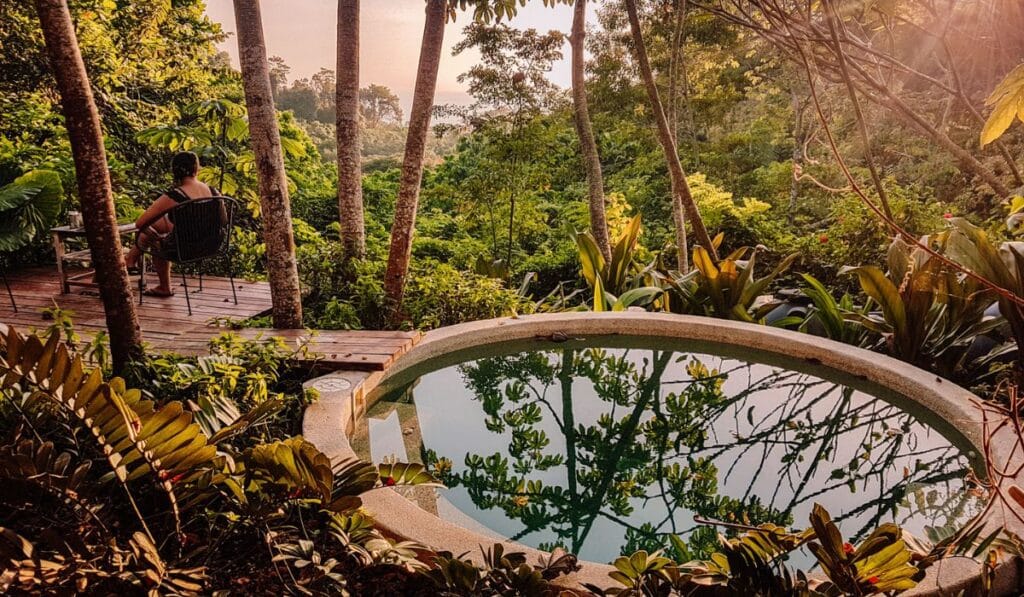
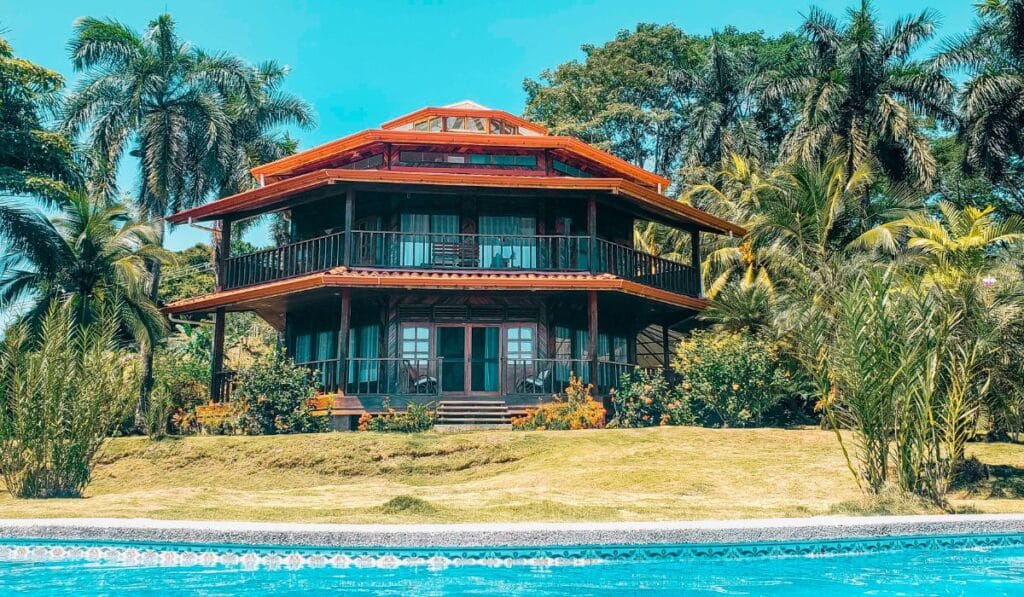
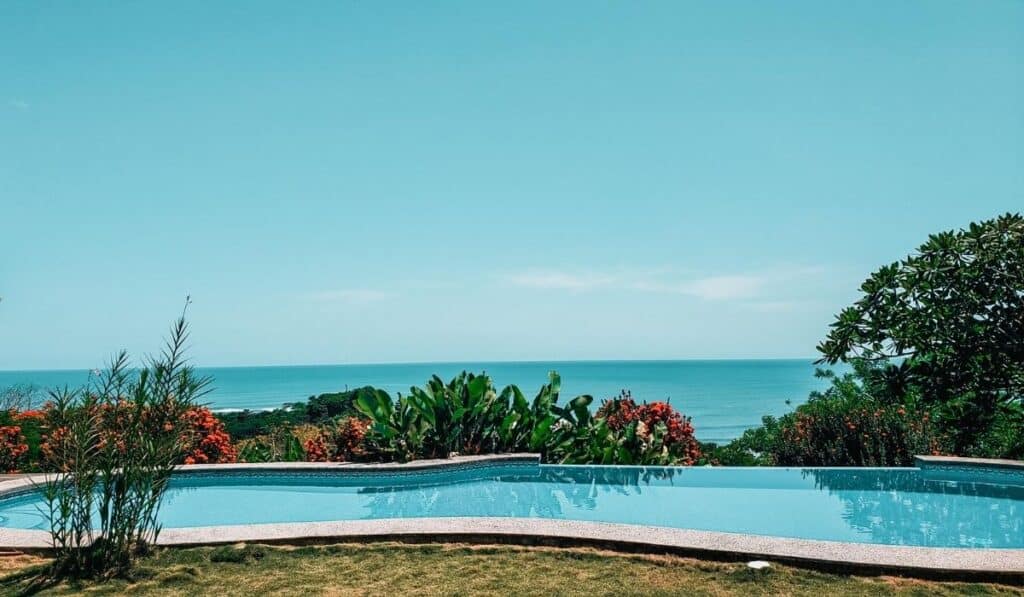
Mal País
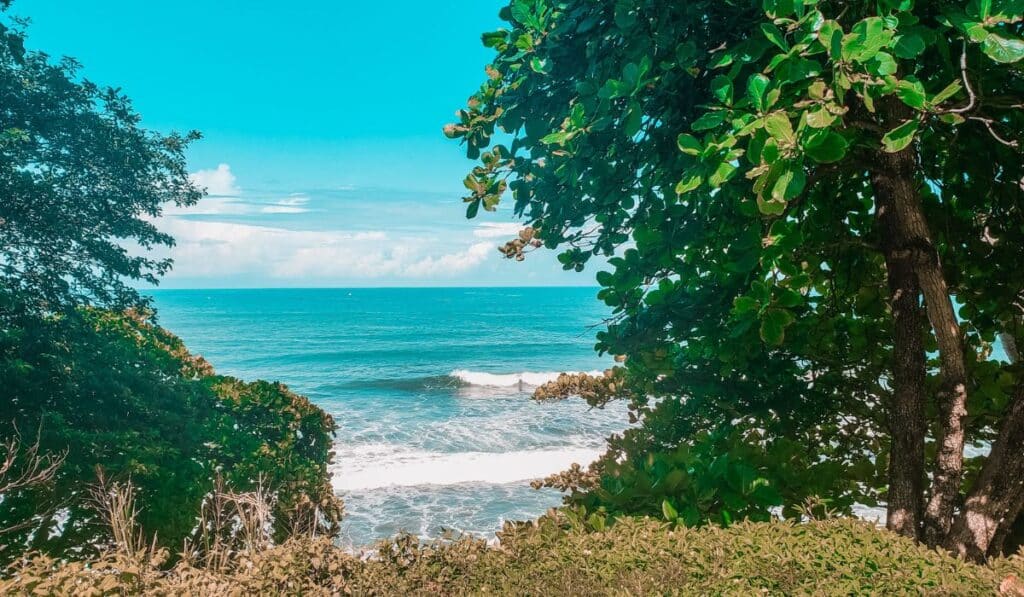
Best for: Seclusion and raw coastal beauty
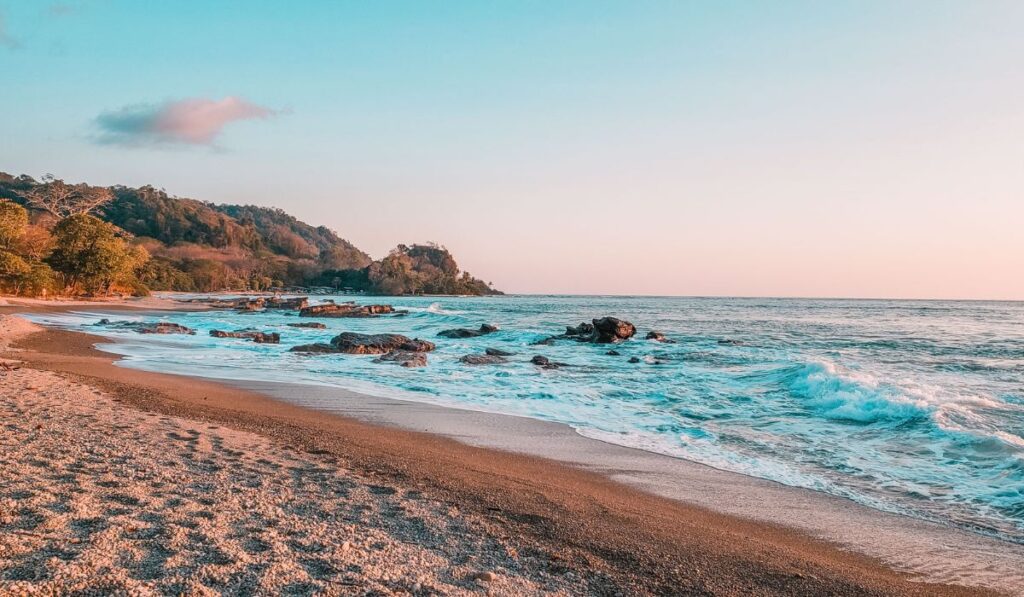
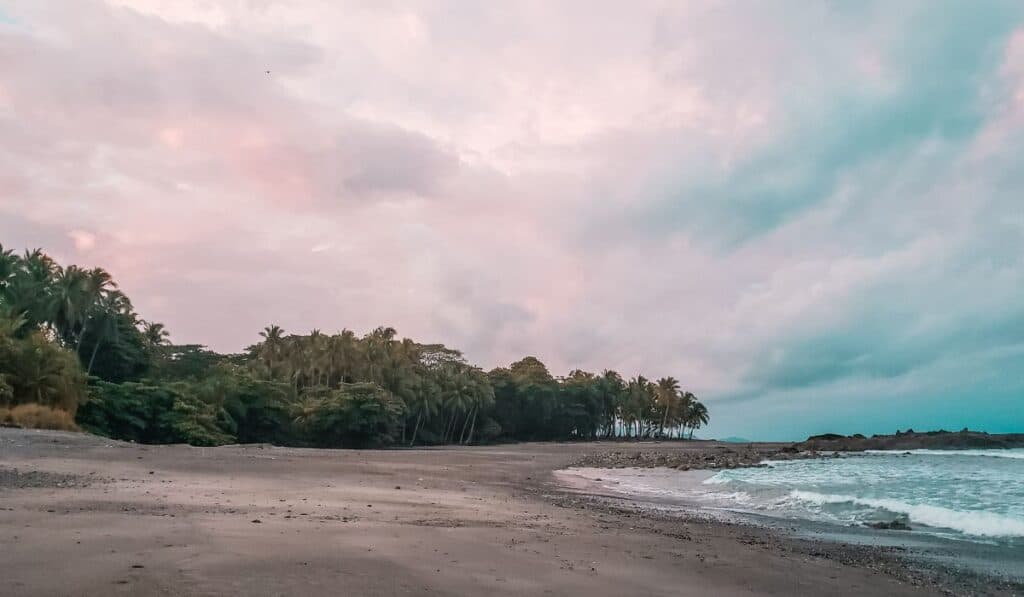
Just south of Santa Teresa, Mal País feels quieter and more remote. It’s ideal if you want the same coastline without as much buzz.
Tambor
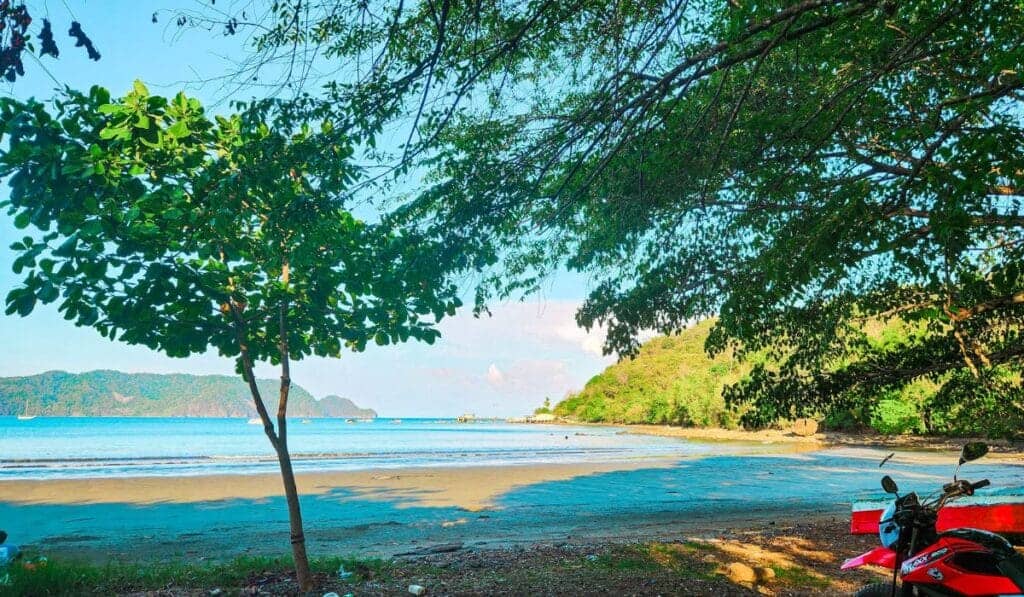
Best for: Resort stays, domestic flights, convenient access
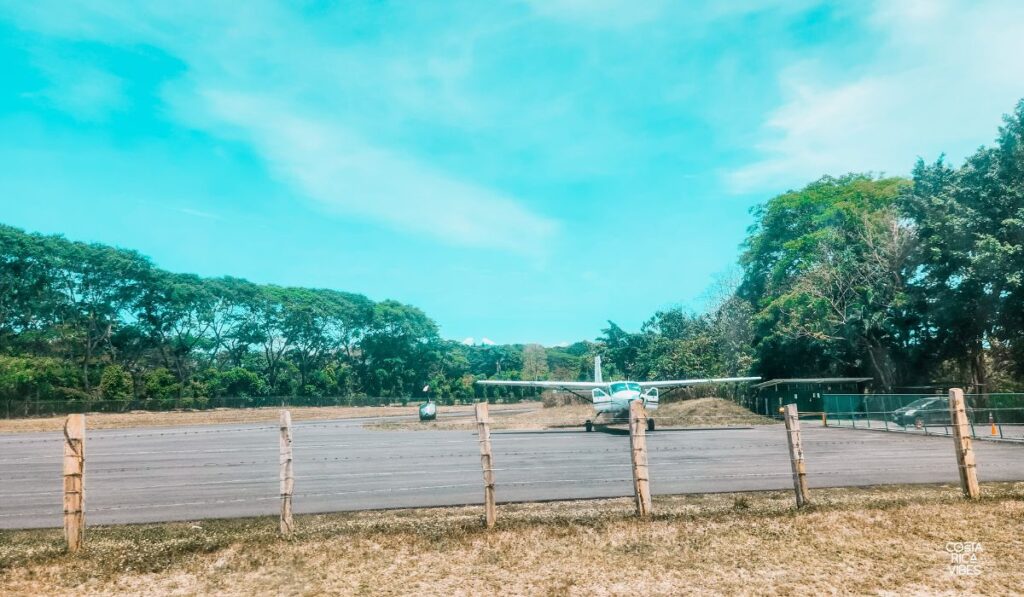
Tambor is home to the region’s small domestic airport and a handful of larger resorts. The beach here is calm and works well for travelers who want a more structured stay while still being close to nature.




Cabuya
Best for: Seclusion, nature lovers, quiet beach stays
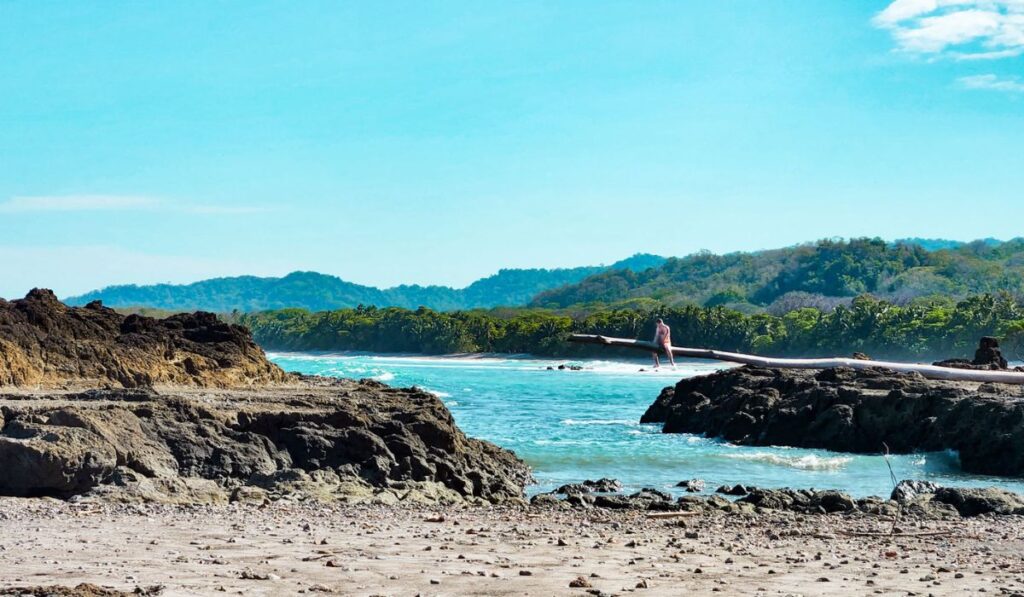
Cabuya is a village at the southern tip of the Nicoya Peninsula, just past Montezuma. It feels remote and peaceful, but is still next to Cabo Blanco Reserve and a unique island cemetery. This is a great option if you want an off the beaten path destination that is still close to action.
Paquera
Best for: Easy ferry access, quieter beaches, low-key stays
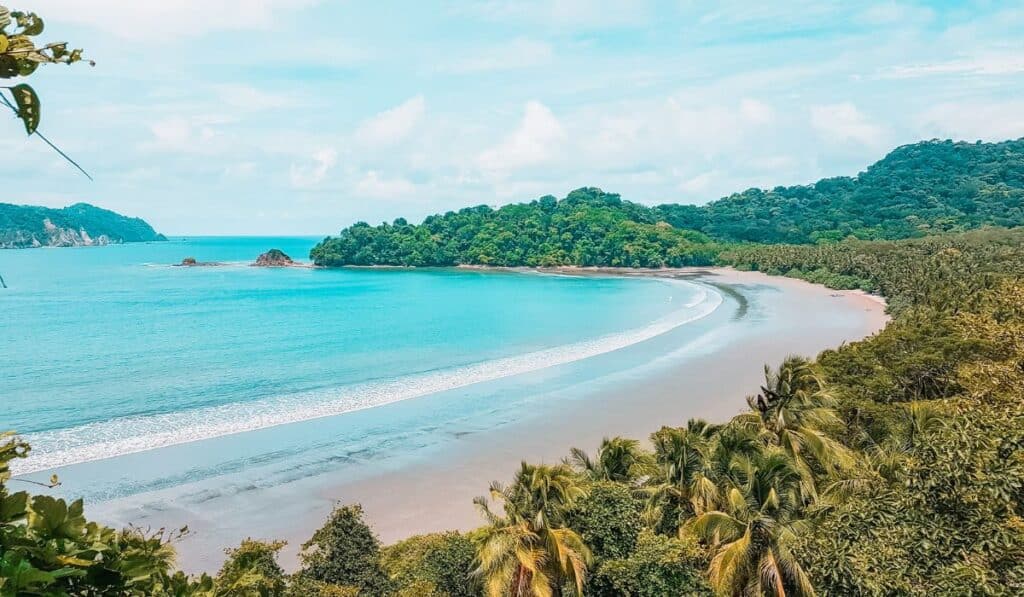
Paquera is where the Puntarenas ferry arrives. While many travelers pass through, it offers calmer beaches, a more local feel, and bioluminescence!
Best Things to Do on the Nicoya Peninsula
The Nicoya Peninsula is all about ocean, nature, and slow living. Whether you’re here for surf, wildlife, or total relaxation, there’s no shortage of ways to fill your days.
Surf World-Class Waves
The Nicoya Peninsula is one of Costa Rica’s top surf regions. Head to:
- Santa Teresa for consistent beach breaks
- Playa Guiones near Nosara for long, beginner-friendly waves
Even if you’ve never surfed before, there are plenty of instructors offering lessons year-round.
Explore Nature & Wildlife
This region is full of protected areas and jungle trails.
- Visit Cabo Blanco Nature Reserve, Costa Rica’s very first national park.
- Witness olive ridley sea turtles nesting at Ostional Wildlife Refuge during arribada season.
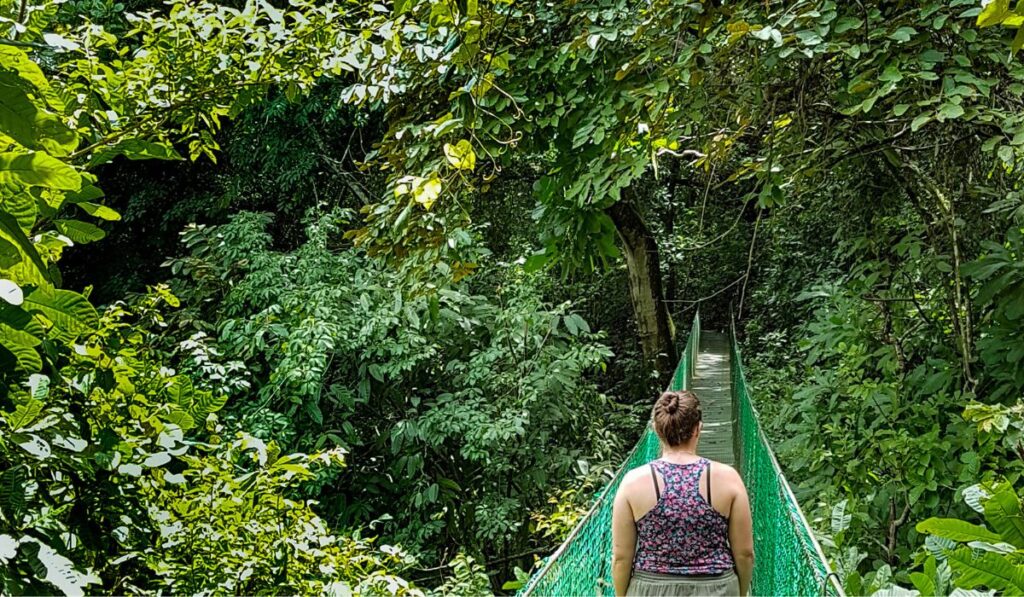
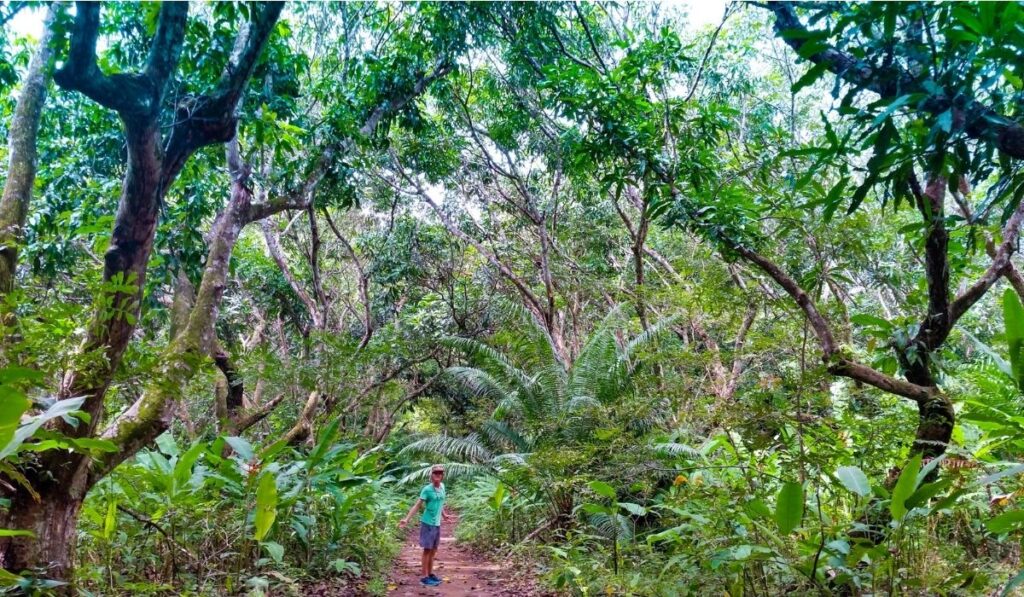
- Hike through lush forest trails and spot monkeys, coatis, and tropical birds.
Swim, Snorkel & Take Boat Tours
The Pacific waters here are perfect for marine adventures.
- Take a boat tour to Isla Tortuga for snorkeling and white sand beaches.
- Go scuba diving or snorkeling along rocky coastal areas.
- Book a sunset catamaran cruise for panoramic coastline views.
Chase Waterfalls
One of the highlights of the southern peninsula is the famous Montezuma Waterfalls. Hike up to multiple cascades and cool off in natural swimming holes surrounded by jungle.
Embrace the Blue Zone Lifestyle
The Nicoya Peninsula is recognized as one of the world’s Blue Zones. This means that this is an area where people live longer than average. Farmers’ markets, fresh tropical fruit, and a strong sense of community are all part of daily life here. Soak it all in!
Relax on Stunning Beaches
Sometimes the best activity is no activity.
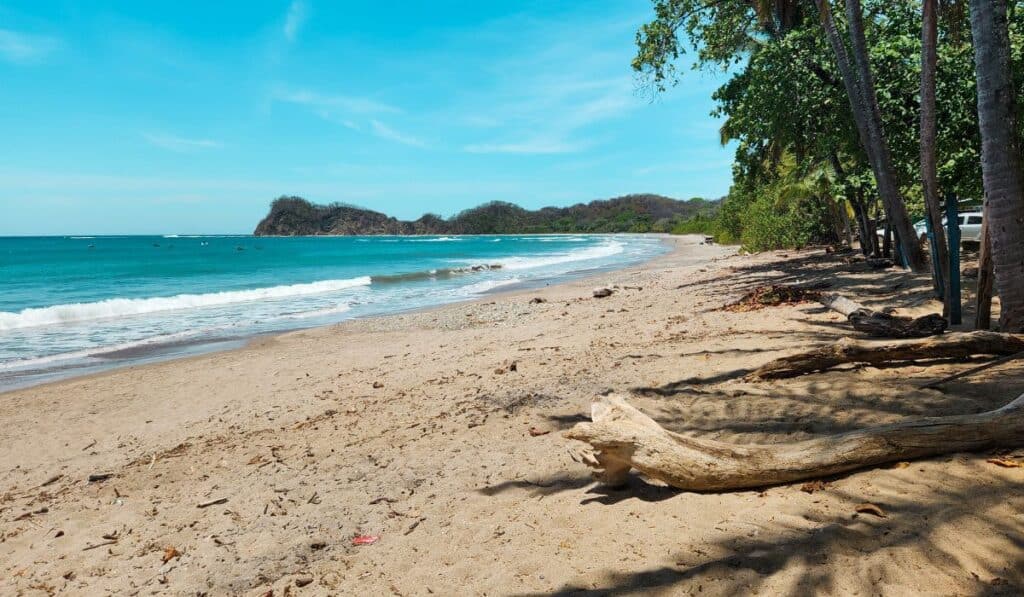
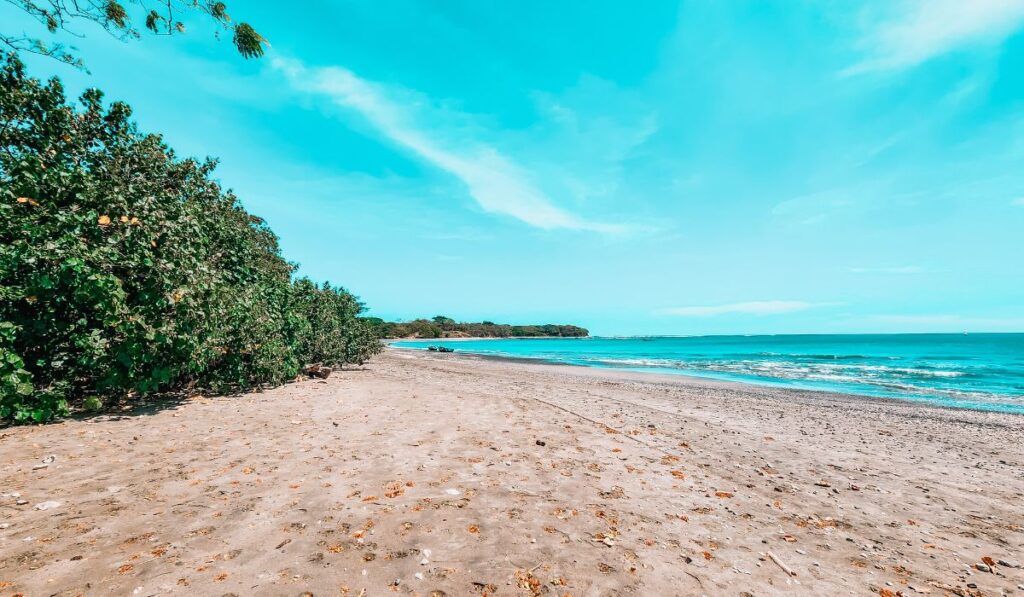
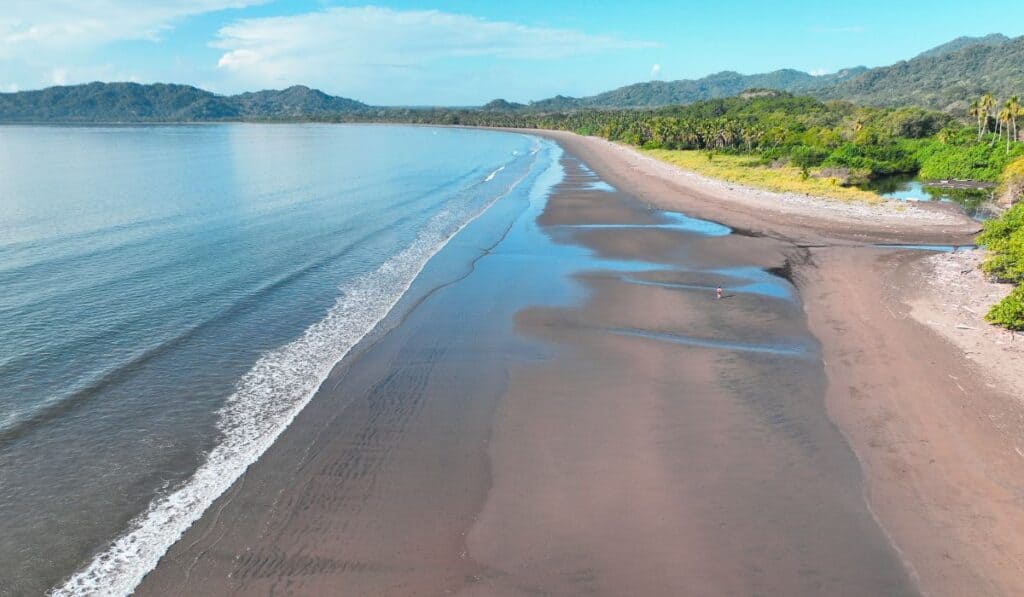
Beaches like Santa Teresa, Montezuma, Samara, and Playa Guiones offer long stretches of sand, dramatic sunsets, and plenty of space to unwind.
Fun Fact: All beaches in Costa Rica need to have free public access by law. They are all yours to enjoy!
Experience Local Culture & Nightlife
While much of the peninsula is laid-back, towns like Santa Teresa and some spot in Nosara offer live music, beach bars, and vibrant restaurant scenes, especially during peak season.
Best Time to Visit the Nicoya Peninsula
The Nicoya Peninsula follows Costa Rica’s typical dry and green seasons, but this region tends to be one of the driest parts of the country during peak season.
Here’s what to expect throughout the year.
Dry Season (Late December – April)
The dry season is the most popular time to visit the Nicoya Peninsula. Expect:
- Sunny skies and very little rain
- Hot daytime temperatures (upper 80s°F / around 30°C)
- Busy beach towns like Santa Teresa, Montezuma, and Samara
- Higher hotel prices and activity prices (save yourself the hassle and book in advance)
Roads are at their best during this time, making it ideal for exploring multiple towns.
Early Green Season (May – August)
The early part of the rainy season is actually one of our favorite times to visit.
You can expect:
- Afternoon rain showers lasting one to two hours
- Fewer crowds
- Lower accommodation prices
- Lush, green landscapes
Rain rarely lasts all day, and mornings are typically sunny. This is a great balance between good weather and quieter Pacific ocean beaches.
Rainiest Months (September – October)
September and October are typically the wettest months on the Nicoya Peninsula. During this period:
- Rain is more frequent and can last longer
- Some hotels and restaurants temporarily close
- Tourist numbers drop significantly
If you don’t mind rain and want very low prices, this can still be a peaceful time to visit, but you definitely need flexibility.
Transition Month (November)
November is unpredictable but often improves as the month progresses. It can be a great shoulder-season opportunity with fewer crowds and improving weather.
Year-Round Temperatures & Daylight
Daytime temperatures usually stay in the upper 80s°F (around 30°C), with evenings cooling to the mid-60s°F (around 19°C).
Sunrise and sunset times remain consistent year-round, with sunrise around 5:15–5:45am and sunset between 5:30–6:00pm.
Who the Nicoya Peninsula Is Best For
The Nicoya Peninsula is ideal for:
- Surfers of all levels
- Yoga and wellness travelers
- Digital nomads
- Couples looking for relaxed beach time
- Travelers who enjoy rustic charm and don’t mind rougher roads
It may not be ideal for:
- First-time visitors who want easy logistics
- Travelers looking for large all-inclusive resorts
- Anyone uncomfortable driving on unpaved roads

Getting to and Around the Nicoya Peninsula
The Nicoya Peninsula is one of the more remote areas of Costa Rica, and transportation planning is important. Road conditions vary depending on where you’re staying, and travel time can be longer than it looks on a map.
Here are your main options:
Renting a Car (Most Flexible Option)
We usually recommend renting a car for visiting the Nicoya Peninsula.
Why?
- Public transportation is limited
- Beaches and waterfalls are spread out
- You’ll have the freedom to explore on your own schedule
Taking the Puntarenas Ferry
If you’re coming from San José, or Central/ South Pacific one of the best routes is the ferry from Puntarenas to Paquera.
The ferry:
- Cuts driving time
- Avoids long overland routes
- Offers a scenic ride across the Gulf of Nicoya
From Paquera, you’ll continue driving to your final destination. We recommend reading our Puntarenas ferry guide for all the details (you usually need to book in advance).
Private or Shated Shuttle
If you’re staying at a resort or plan to book tours with transportation included, renting a car may not be necessary.
Shuttles are:
- Comfortable
- Door-to-door
- Ideal for couples or small groups
- Stress-free if you don’t want to drive
This is a good middle-ground option between renting a car and taking the bus.
Use code: SARAHMC5 at checkout.
Public Bus (Budget Option)
Public buses are the most affordable way to reach the Nicoya Peninsula, but they require more time and planning.
Routes can include multiple transfers, and travel times are longer. This option works best for budget travelers who are not on a tight schedule.
Domestic Flights (Fastest Option)
If you want to avoid long drives or the Puntarenas ferry, domestic flights are available from San José to several towns on the Nicoya Peninsula.
There are two regional airports in Nicoya:
- Tambor (convenient for southern Nicoya)
- Nosara (great for Nosara or Samara)
Flights typically take about 25–35 minutes and can dramatically reduce travel time compared to driving.
However:
- Baggage limits are strict
- Flights can be weather-dependent
- You may still need a rental car upon arrival
Nicoya Peninsula FAQ
Is the Nicoya Peninsula worth visiting?
Yes, the Nicoya Peninsula is absolutely worth visiting if you’re looking for surf, beaches, nature, and a laid-back atmosphere.
It’s less developed than Guanacaste’s resort areas and offers a mix of yoga towns, small fishing villages, waterfalls, and rugged coastline. It’s especially popular with surfers, digital nomads, and travelers who prefer a more relaxed vibe.
Why is the Nicoya Peninsula considered a Blue Zone?
The Nicoya Peninsula is one of the world’s recognized “Blue Zones,” meaning it has an unusually high concentration of people who live to 100 years old.
Researchers attribute this to a combination of:
A traditional plant-based diet (including beans, corn, squash, and fresh produce)
Strong family and community ties
Daily physical activity
A sense of purpose and slower pace of life
Where is the Nicoya Peninsula located?
The Nicoya Peninsula is located on Costa Rica’s northwestern Pacific coast. It forms a hook-shaped stretch of land west of the mainland and sits between the Gulf of Nicoya and the Pacific Ocean. It is accessible from both San José and Liberia, typically by ferry or overland drive.
How do you get to the Nicoya Peninsula from San José?
Most travelers drive from San José to Puntarenas and take the ferry to Paquera, which shortens the route and avoids a longer inland drive.
From Paquera, you continue by car to towns like Santa Teresa, Montezuma, or Nosara.
Private shuttles and domestic flights are also available, depending on your final destination.
What is the Nicoya Peninsula known for?
The Nicoya Peninsula is known for; world-class surfing, yoga and wellness retreats, remote, rugged beaches, waterfalls like Montezuma Falls, its Blue Zone longevity reputation.
It’s one of the most character-filled regions in Costa Rica and offers a noticeably slower pace than more developed beach areas.
You Might Also Like Visiting
The Central Pacific Coast: The Central Pacific Coast is one of the most popular beach areas in the country. Here you can visit Manuel Antonio National Park and see tons of wildlife.
The Caribbean Coast: The Caribbean Coast has a completely different feel than the Pacific Coast. There is a strong Afro-Caribbean culture here.
The Southern Pacific Coast: Also referred to as the Osa Peninsula, this is an area of raw coastal beauty, wildlife, and Corcovado National Park.
….if none of those appeal to you, check out our Destination Guide page for more ideas of places to visit.