
Where is the Caribbean Coast?
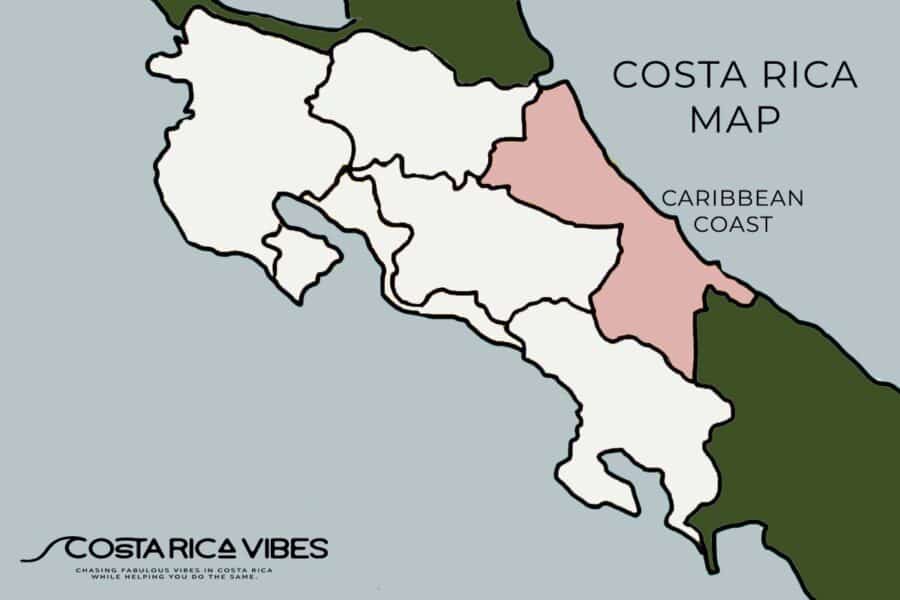
Costa Rica’s Caribbean Coast is located along the country’s eastern shoreline, bordering the Caribbean Sea and Panama to the south and Nicaragua to the north.
The most popular towns, such as Puerto Viejo de Talamanca, are about 4–5 hours by car from San José via Route 32.
From the Caribbean Coast, you can reach:
- The Central Valley in 3–5 hours
- The South Pacific in 6–8+ hours
- Guanacaste in 6–8+ hours
This region is more geographically separated from the Pacific side by mountain ranges. It has a distinctly different climate and culture.
The Caribbean Coast Towns
‘Each town here has a completely different vibe


Puerto Viejo
Best for: Surfing, nightlife, backpacker energy
Puerto Viejo is the most popular town on Costa Rica’s southern Caribbean coast. It has a laid-back, Afro-Caribbean vibe, solid surf breaks, beach bars, and a surprisingly lively nightlife scene. It’s a great base if you want a mix of beach time, culture, and social energy.
Tortuguero
Best for: Wildlife, turtle nesting, remote rainforest
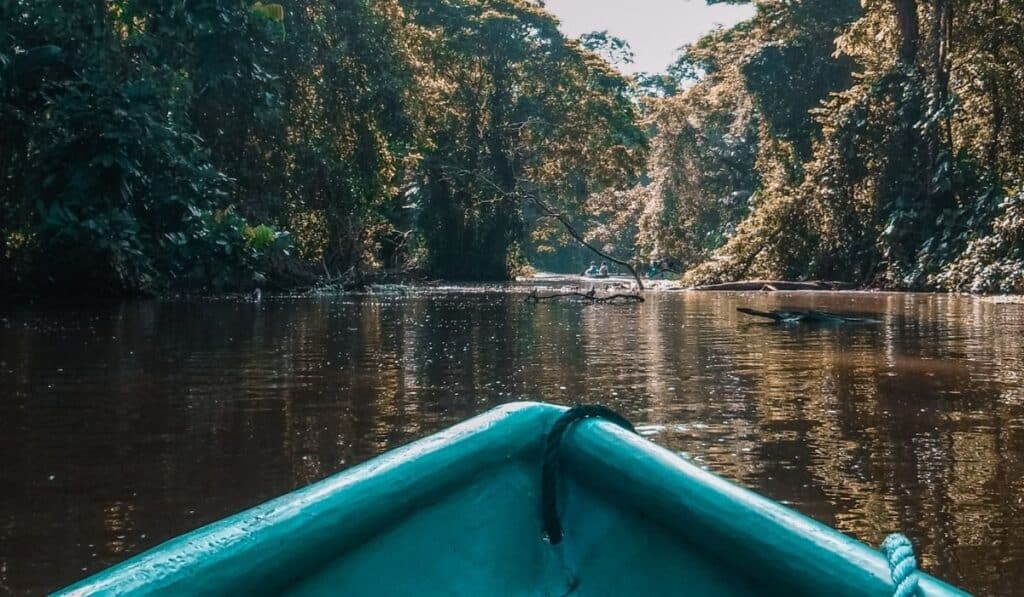
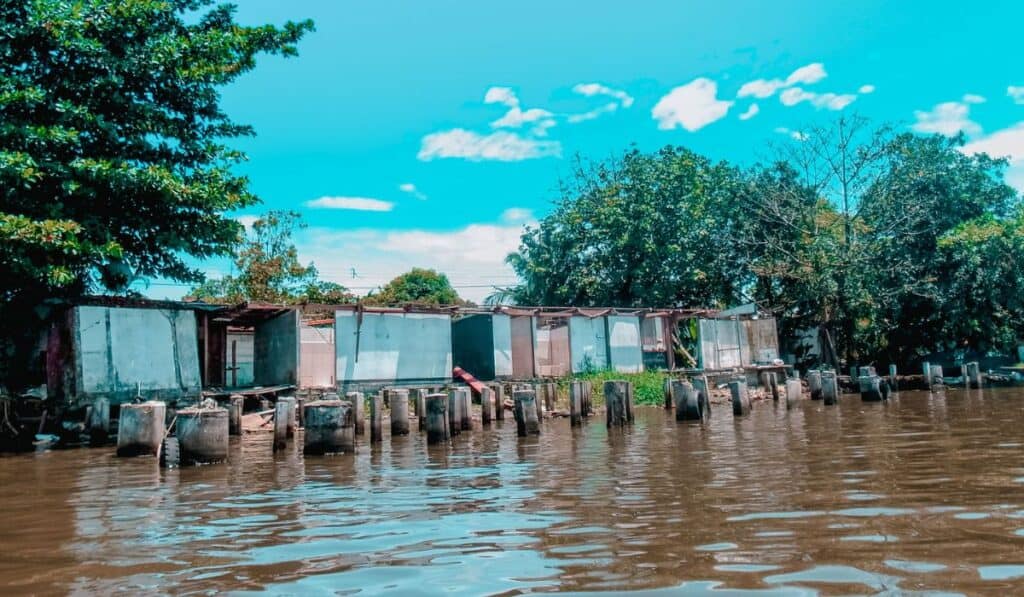
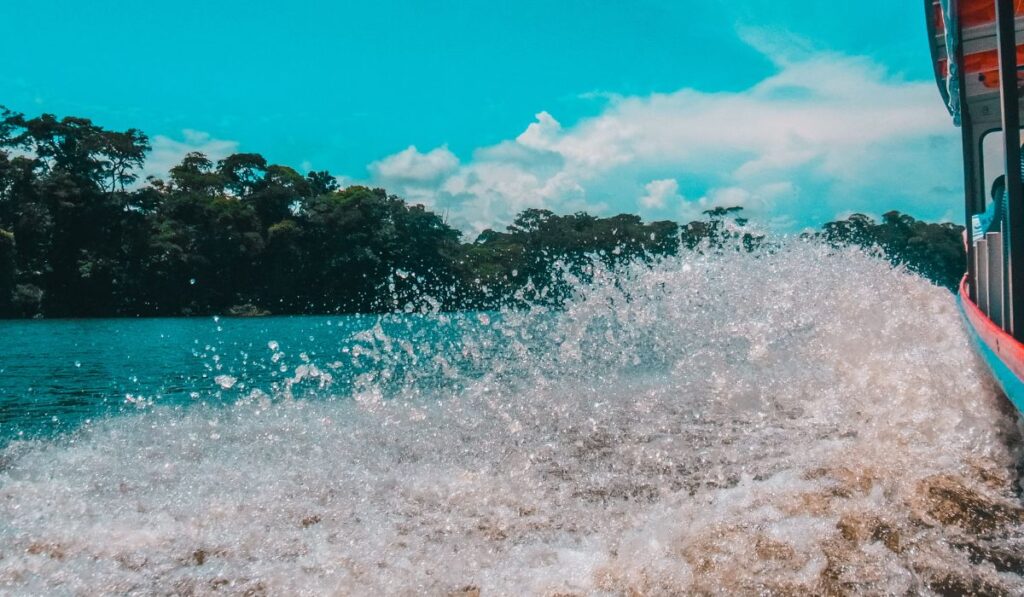
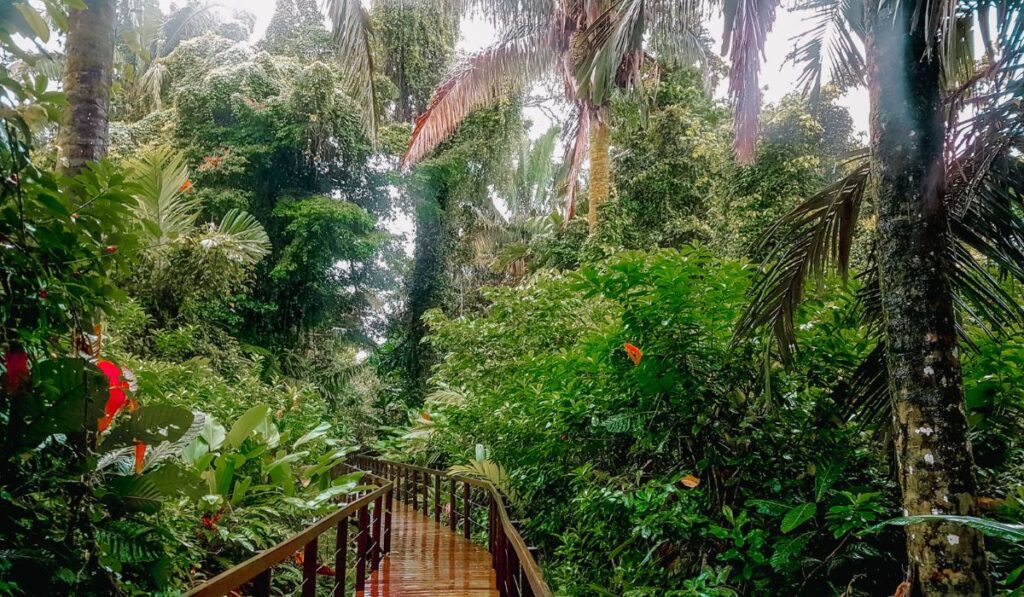
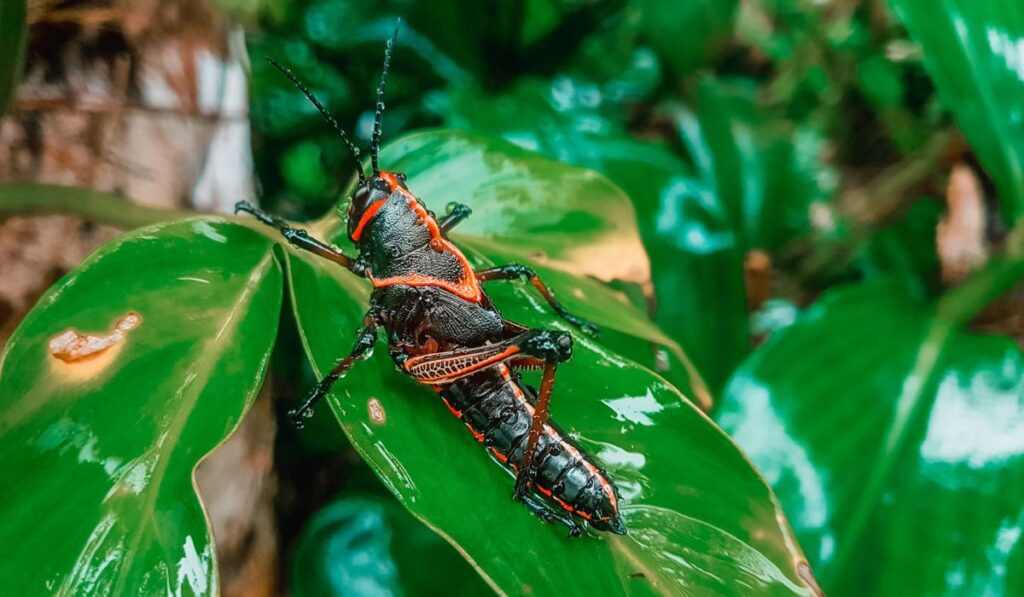
Tortuguero is only accessible by boat or small plane, which adds to its remote charm. This small canal-side village is best known for sea turtle nesting season, but it’s also an incredible destination for wildlife viewing, boat tours, and rainforest immersion. It’s so unique and we love it!





Cahuita
Best for: National park access, relaxed vibe, snorkeling
Cahuita is a small Caribbean town best known for Cahuita National Park. The town itself feels low-key and local. It’s a good fit for travelers who want wildlife and beach time without a party scene.
Manzanillo
Best for: Seclusion, nature lovers, quiet beaches
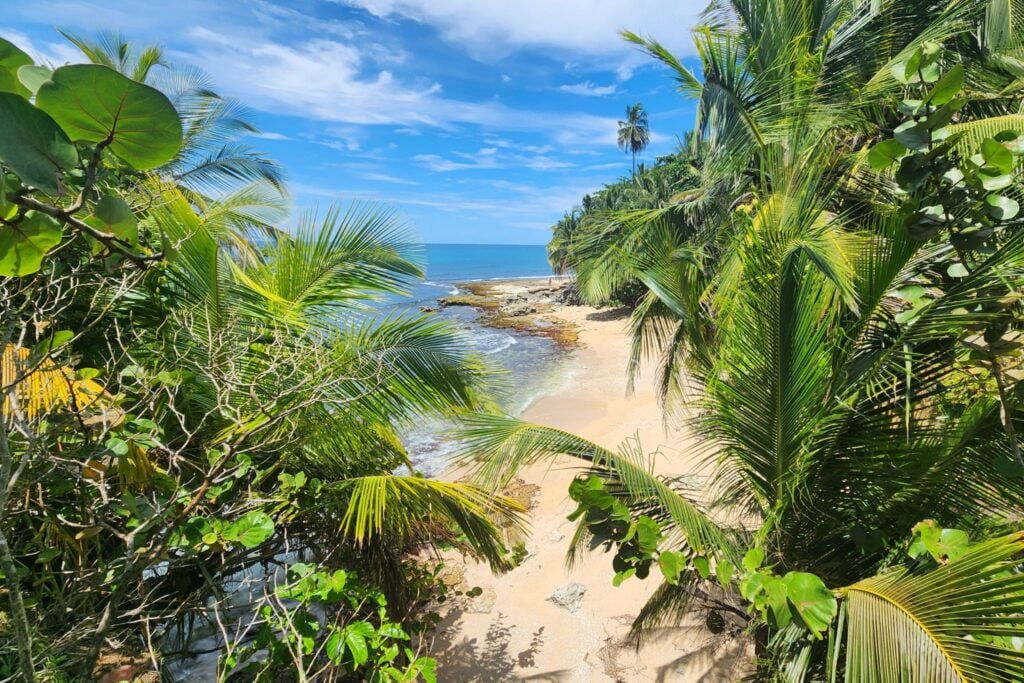
Manzanillo is a tiny, peaceful village near the Panama border. It’s surrounded by jungle and protected areas, with fewer accommodations and less development than Puerto Viejo. If you’re looking for calm beaches and a slower pace, this is a strong choice.

Limón
Best for: Cruise access, local culture, transportation hub
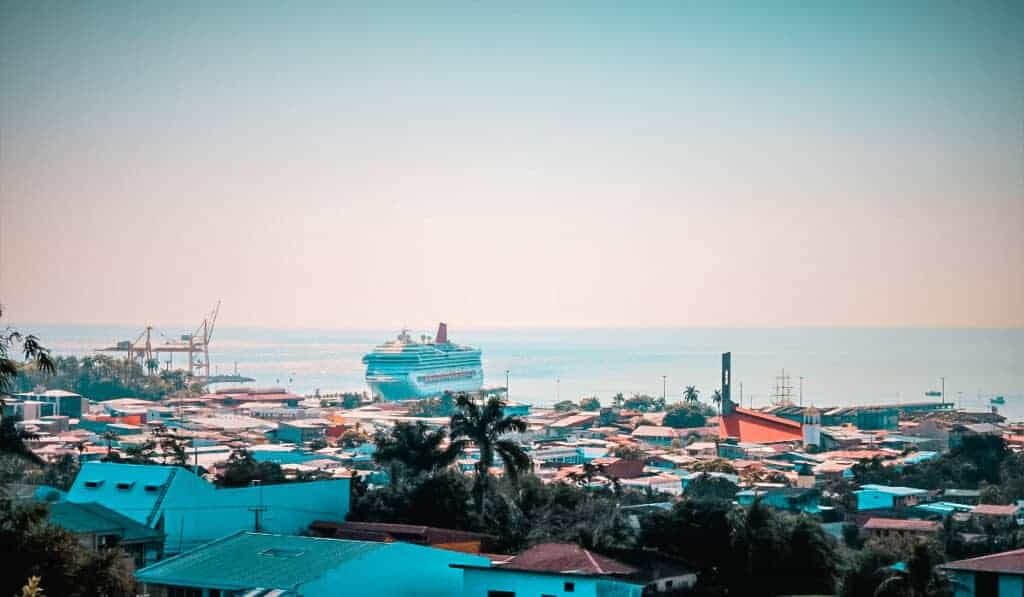
Limón is the largest city on Costa Rica’s Caribbean coast and serves as a major cruise and export port. It’s more industrial than resort-focused. It’s not a place we suggest staying, but you might find yourself here for the cruise terminal.
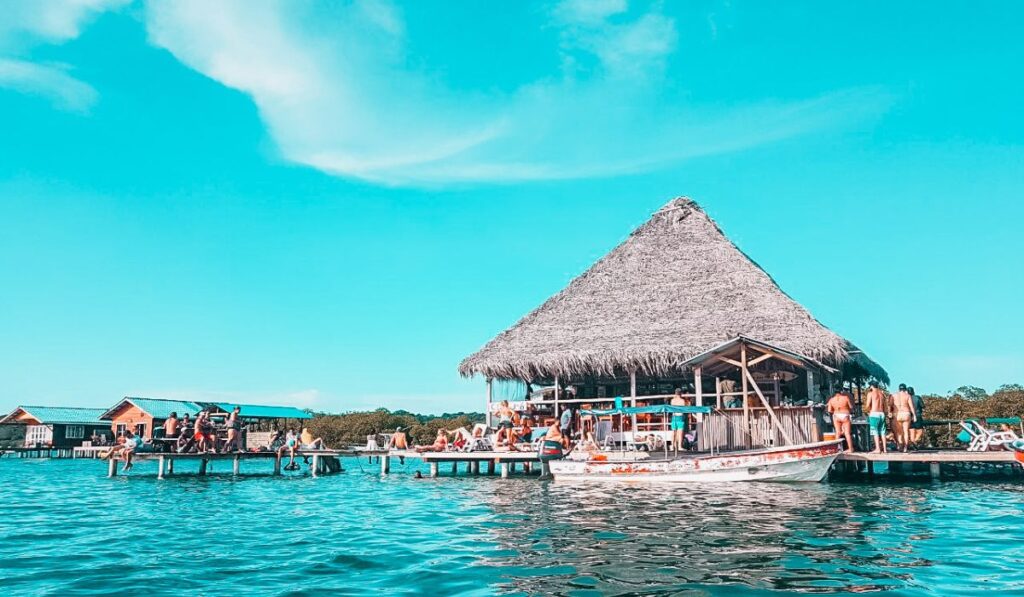
Bocas del Toro
Best for: Island hopping, overwater bungalows, party-meets-paradise
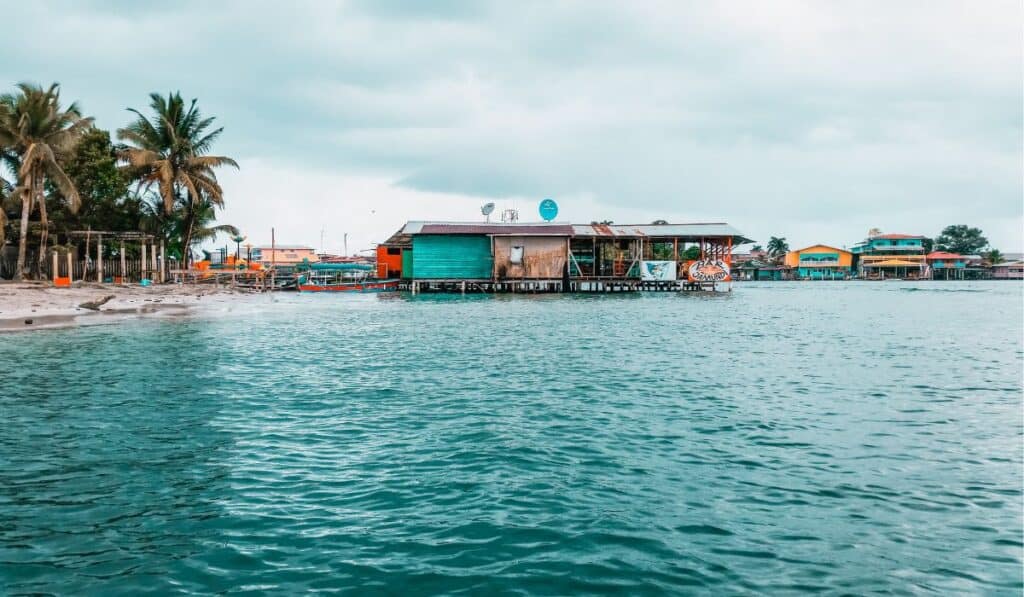
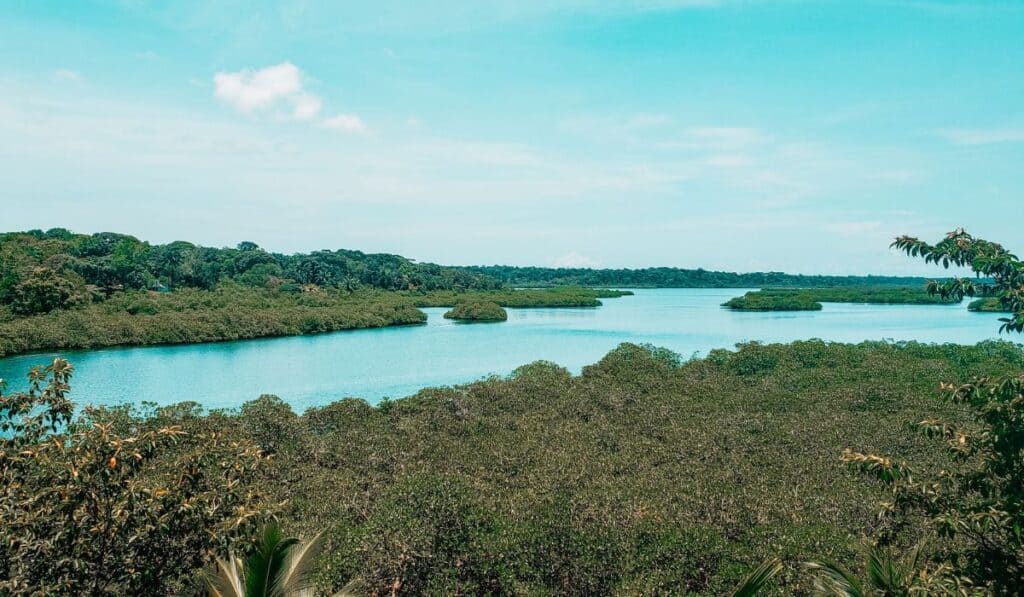
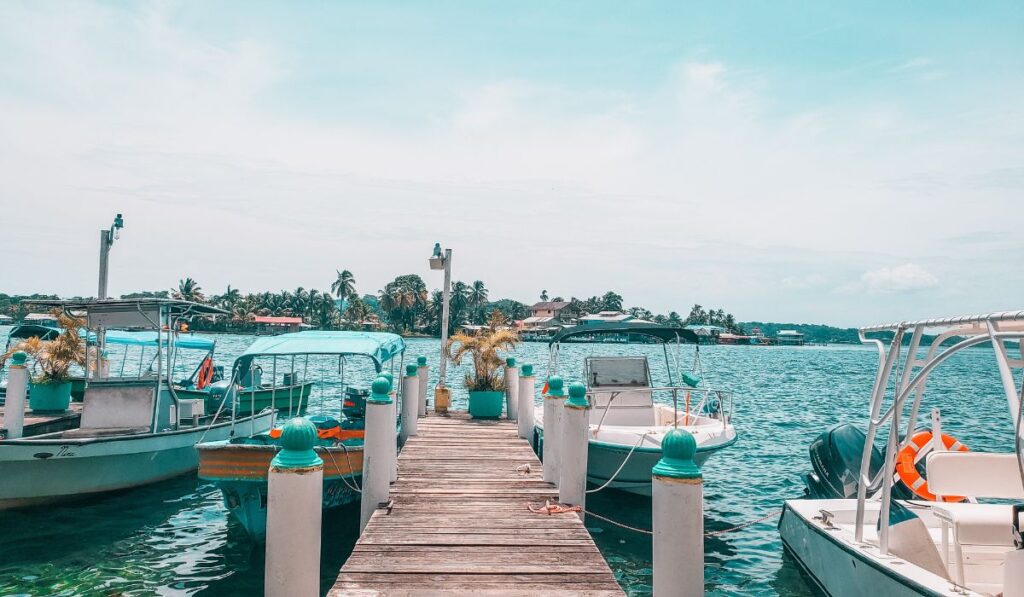
Bocas del Toro is a group of islands just across the border in Panama. It is often combined with a Costa Rica Caribbean trip. Expect turquoise water, boat taxis, island stays, and a lively social scene. It’s a tropical add-on if you want a slightly different Caribbean island experience.


Best Things to Do on the Caribbean Coast
Explore the Jungle by Boat in Tortuguero
If you’re heading north to Tortuguero, the canals inside Tortuguero National Park are the highlight.
You don’t explore this park on foot the way you would in Manuel Antonio. Instead, you go through narrow jungle waterways by boat or canoe.
It’s one of the most unique wildlife experiences in Costa Rica.
And if you’re visiting during nesting season, Tortuguero is one of the best places in the country to see sea turtles laying eggs.
Walk the Coastal Trail in Cahuita
Cahuita National Park is one of our favorite parks in the country because it’s easy, beautiful, and full of wildlife.
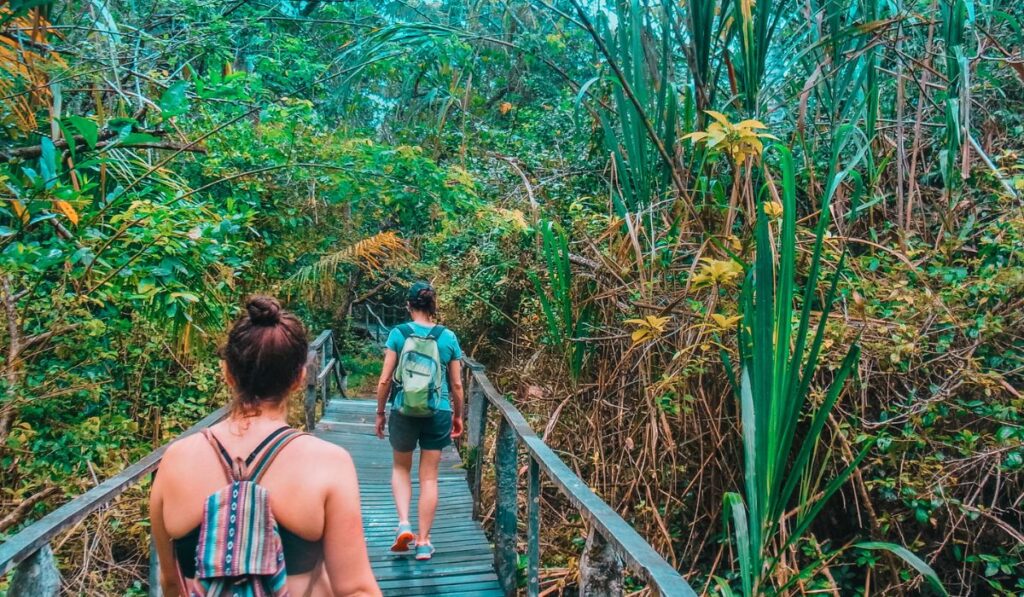
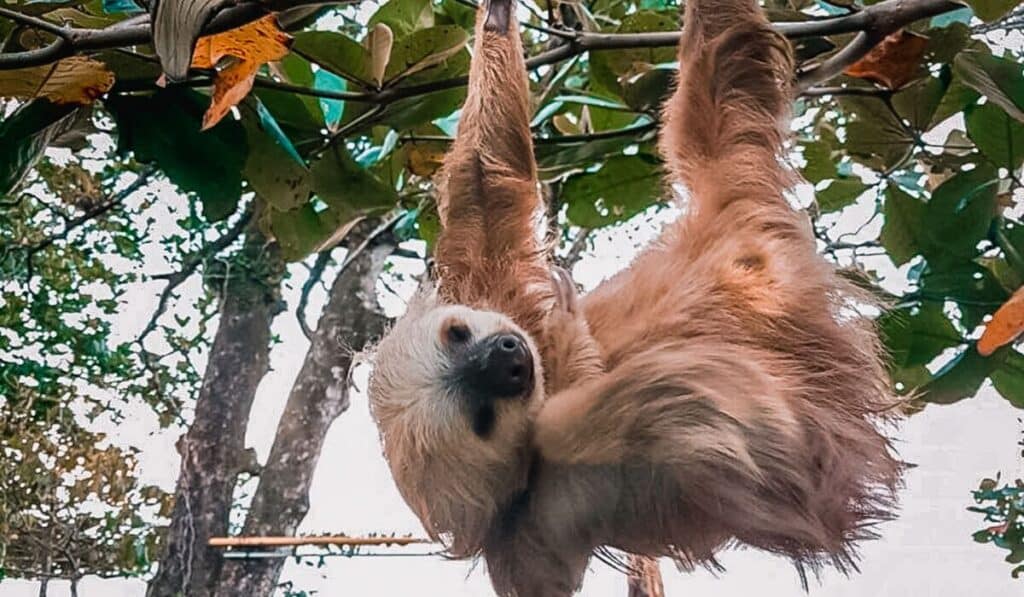
The trail runs right along the beach, so you’re basically walking through jungle with ocean views the entire time. It’s common to see sloths, monkeys, raccoons, and bright tropical birds, and the snorkeling just offshore can be excellent on calm days.
It’s relaxed, scenic, and doesn’t require intense hiking.
Also, this coast here is a great place for snorkeling along coral reefs.
Beach Hop Along the Southern Caribbean
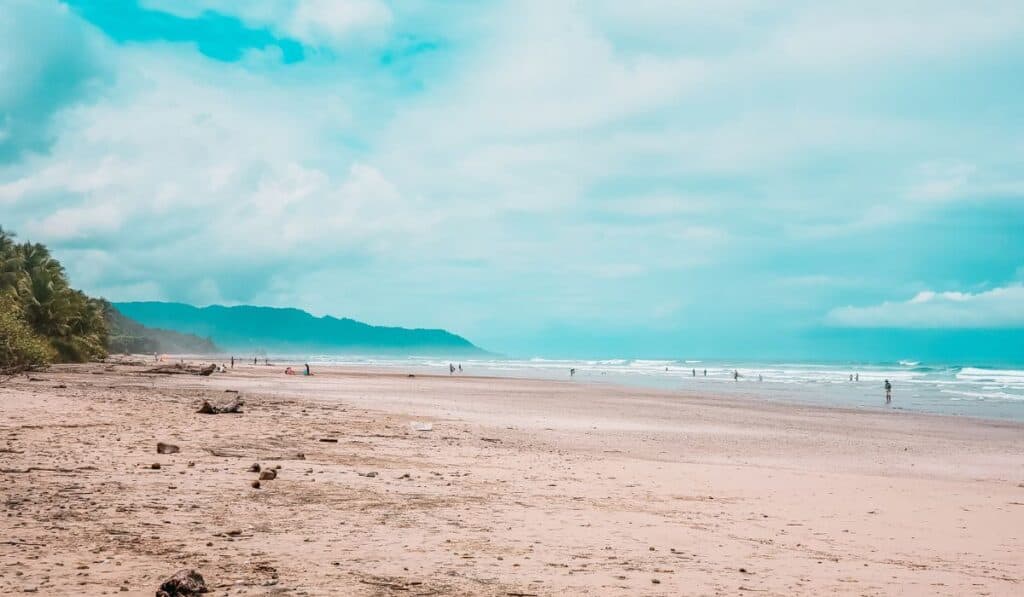
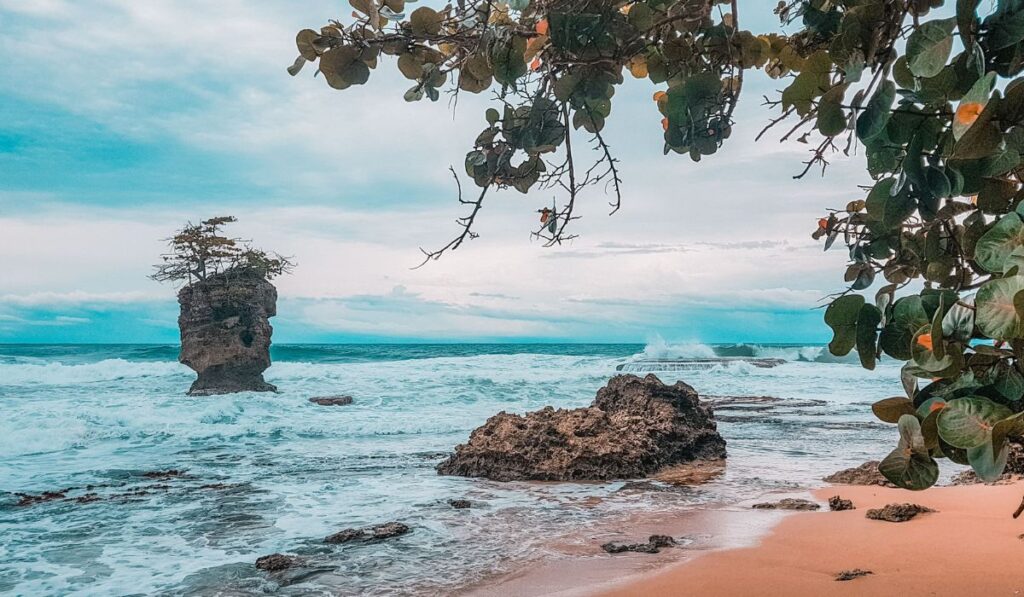
Just past Puerto Viejo you’ll find a ton of beautiful beaches such as Playa Cocles, Punta Uva, and Playa Chiquita.
Some are popular with surfers and some are better for swimming.
We love that the beaches here range from fine white sand to spots with very dark sand.
Hike Near the Panama Border
If you want something quieter and a little wilder, head to the Gandoca-Manzanillo Wildlife Refuge.
The trails here feel more remote, the beaches are less crowded, and it’s a great place to just wander slowly through rainforest and coastline.
Plus, it is one of the best photo op spots in the country.
Experience the Culture (and the Food)
The Caribbean coast is all about culture.
The Afro-Caribbean influence here is strong, especially in Puerto Viejo. Expect reggae drifting out of restaurants, rice and beans cooked in coconut milk, fresh seafood, cacao tours, and a multilingual, laid-back community. In our opinion, the food is amazing!
Booking Quick Links
Best Time to Visit the Caribbean Coast
Costa Rica’s Caribbean Coast follows a different rainfall pattern than the Pacific side of the country. While the rest of Costa Rica experiences peak dry season from December through April, the Caribbean often sees its best weather later in the year.
Drier Months (September – October)
For the southern Caribbean, especially around Puerto Viejo de Talamanca and Cahuita, September and October are often the sunniest months of the year.
Oh, and keep in mind that it is rare, but occasionally this coast gets hit by tropical storms. If this happens, it would usually be in the autumn.
Variable Season (November – August)
Rainfall on the Caribbean coast is more evenly distributed throughout the year compared to the Pacific side.
You can expect:
- Short rain showers, often in the early morning or evening
- Humid conditions year-round
- Lush green landscapes
Even during wetter periods, rain rarely lasts all day, and sunny breaks are common.
July can sometimes be rainier than expected, depending on regional weather patterns.
Northern Caribbean Note (Tortuguero)
Further north in Tortuguero, rainfall is generally higher year-round due to dense rainforest and canal systems. This region tends to be more humid and wetter than the southern Caribbean.
Temperatures & Daylight
Daytime temperatures typically remain in the upper 80s°F (around 30°C), with warm, humid evenings. Overnight temperatures usually stay in the upper 60s°F (around 20°C).
Because Costa Rica lies close to the equator, sunrise and sunset times stay consistent year-round, with sunrise around 5:15–5:45am and sunset between 5:30–6:00pm.
And yes, this is the Caribbean side, so sunrise beach walks are absolutely worth waking up for.
Who the Caribbean Coast Is Best For
Costa Rica’s Caribbean Coast is ideal for:
- If you love a laid-back vibe
- If you are interested in Afro-Caribbean heritage
- If you are a surfer and beach hoppers
- If you want something different from the Pacific side
It is not ideal for:
- Travelers expecting perfectly predictable weather
- If you are looking for large-scale resorts
- If you prefer highly developed tourist infrastructure
Getting to and Around the Caribbean Coast
Costa Rica’s Caribbean Coast is relatively easy to access from the Central Valley, but road conditions and travel time can vary depending on whether you’re heading south (Puerto Viejo area) or north (Tortuguero).
Here’s what you need to know.
Renting a Car (Most Flexible Option)
We usually recommend renting a car for visiting the Caribbean Coast.
- Beaches and towns are spread out
- You can explore freely between Puerto Viejo de Talamanca, Cahuita, and Manzanillo
- You’ll have more flexibility for day trips
A 4×4 vehicle is generally not required for the southern Caribbean, as roads are paved and in good condition. An SUV is comfortable but not mandatory.
If you’re planning to continue into Panama after your visit, many rental companies allow you to return your car in Puerto Viejo and take a bus or taxi to the border crossing at Sixaola.
Note: If you rent with Adobe (which we recommend) they have an office centrally located in Puerto Viejo so you can return your vehicle there.
The Driving Route from San José
To reach the Caribbean from San José, you’ll drive east via Route 32.
You’ll pass through:
- Braulio Carrillo National Park. This is a beautiful mountain rainforest stretch with well-maintained but curvy roads
- The outskirt of the city of Limón
The highway is generally in good condition but ongoing road work can sometimes cause delays (and it feels like they are always doing roadwork here).
Getting stuck behind 18-wheelers is also often an issue here because the port in Limon is a big export spot for bananas, pineapple, etc.
From Limón:
- Head south along the coastal road to reach Cahuita, Puerto Viejo, and Manzanillo
- Or head north toward the boat departure points for Tortuguero
Getting to Tortuguero
Tortuguero is not accessible by regular road.
You will drive to a parking area (typically La Pavona or Caño Blanco) and then take a boat transfer into town.
The final stretch before the boat launch includes unpaved roads, which can become muddy during rainy season. While a 4×4 is not always required, it can be helpful depending on conditions. We have a complete guide explaining how to get to Tortuguero.
Private or Shared Shuttle
Shuttles are a comfortable alternative if you don’t want to drive.
This option works well for couples, small groups, or travelers who prefer a stress-free transfer. However, you will then need to find transportation once in your destination if you plan on exploring beyond the downtown.
Public Bus (Budget Option)
Public buses run several times daily from downtown San José to:
- Limón
- Cahuita
- Puerto Viejo
- Panama Border
The bus is affordable and relatively straightforward, though travel times are longer than driving. We’ve taken this bus several times without major issue.
Caribbean Coast FAQ
When is the best time to visit Costa Rica’s Caribbean coast?
The best time to visit Costa Rica’s Caribbean coast is typically September and October. This is when this region often experiences its driest and sunniest weather. Unlike the Pacific side, the Caribbean follows a different rainfall pattern. Rain can occur year-round, but showers are often brief and happen in the early morning or evening.
Where should I stay on Costa Rica’s Caribbean coast?
Where you should stay depends on your travel style. Stay in Tortuguero for wildlife and canal tours, Cahuita for a quiet beach town near a national park, or Puerto Viejo de Talamanca for beaches, nightlife, and a lively Afro-Caribbean atmosphere. Manzanillo is ideal for a more remote, peaceful stay.
Is the Caribbean coast of Costa Rica safe?
Yes, the Caribbean coast of Costa Rica is generally safe for tourists. Popular areas like Puerto Viejo and Cahuita are accustomed to international visitors. As with anywhere, use common-sense precautions such as not leaving valuables unattended and avoiding isolated beaches at night.
Is the Caribbean side better than the Pacific side of Costa Rica?
The Caribbean side is better if you prefer a laid-back atmosphere, Afro-Caribbean culture, palm-lined beaches, and sunrise ocean views. The Pacific side is better for larger resorts, more developed infrastructure, and drier dry-season weather.
You Might Also Like Visiting
The Nicoya Peninsula: A remote corner of Costa Rica filled with nice beaches. This is a popular place for yoga enthusiasts and surfers
The Central Pacific Coast: The Central Pacific Coast is one of the most popular beach areas in the country. Here you can visit Manuel Antonio National Park and see tons of wildlife.
The Guanacaste Province: A popular beach area and home to Costa Rica’s other international airport. There are several nice resorts here.
….if none of those appeal to you, check out our Destination Guide page for more ideas of places to visit.