
South Pacific and Osa Peninsula travel guide
Costa Rica’s South Pacific and Osa Peninsula: towns, wildlife and things to do
The Osa Peninsula is one of the most biodiverse and untouched regions in Costa Rica. It is located south of Manuel Antonio and stretches toward the Panama border. This area is known for raw coastal beauty, dense rainforest, waterfalls, and abundant wildlife.
Less developed and more remote than other beach areas, the South Pacific is perfect for travelers looking for dramatic landscapes, eco-lodges, and true immersion in nature.
By Sarah & Thomas, calling Costa Rica home since 2016

Best months
Late December to April, the dry season
Fly into
San José (SJO), 3 to 6 hours, or a domestic flight
Best for
Wildlife, Corcovado and whale watching
Getting around
Rental car, domestic flights and boats
Don’t want to read all this?
Book your South Pacific trip
Car rental
Flights
Shuttles
Travel insurance
Trip planner
Location
Where is the Osa Peninsula?
The South Pacific Coast is located along Costa Rica’s southern Pacific shoreline, stretching from Dominical down toward the Panama border.
This region includes areas like Uvita, Ojochal, Golfito, and the Osa Peninsula. It is approximately 3 to 6 hours by car from San José, depending on how far south you travel.
The further south you go, the more remote and biodiverse the landscape becomes.
From the South Pacific, you can reach

Towns
Towns in the South Pacific and what each one is known for
‘Each town here has a completely different vibe. Tap any town for our full guide.
Uvita
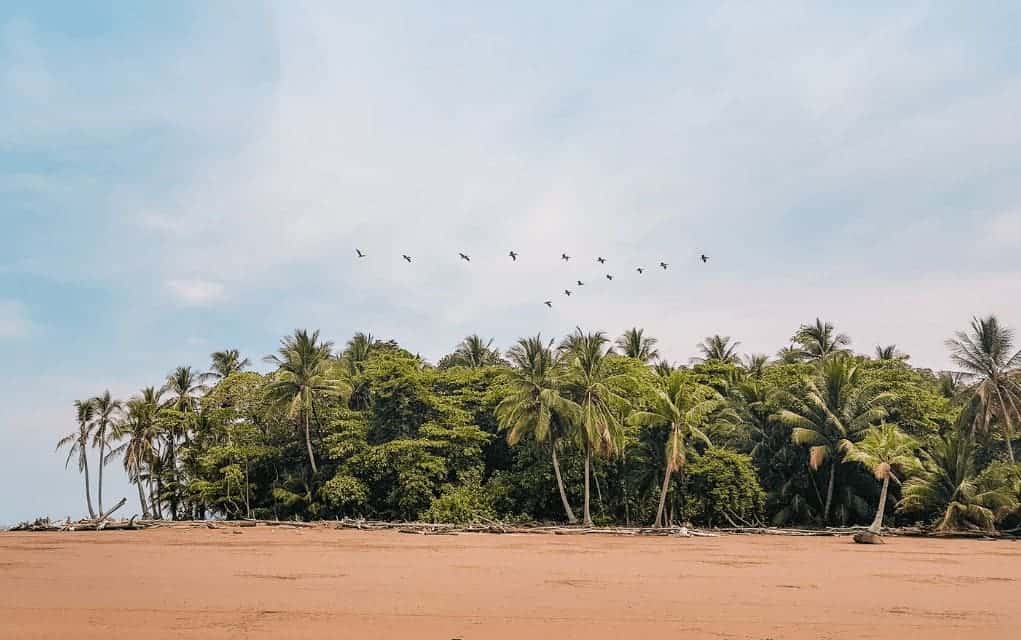
Uvita is everything many people picture when they imagine Costa Rica. Long, uncrowded beaches stretch along the Pacific, dense jungle-covered hills rise behind town, and waterfalls are just a short drive away. It’s a laid-back but practical base with solid infrastructure, making it a great option for travelers who want nature without feeling completely remote.
Best for: Waterfalls, wildlife, balanced beach town vibe

Ojochal
Ojochal is a beautiful, residential-feeling community surrounded by jungle and mountains. Unlike other beach towns, it doesn’t have a central downtown or surf scene, but it’s known for its surprisingly strong restaurant scene and peaceful atmosphere.
Best for: Food lovers, quiet living, upscale homes in nature
Puerto Jiménez
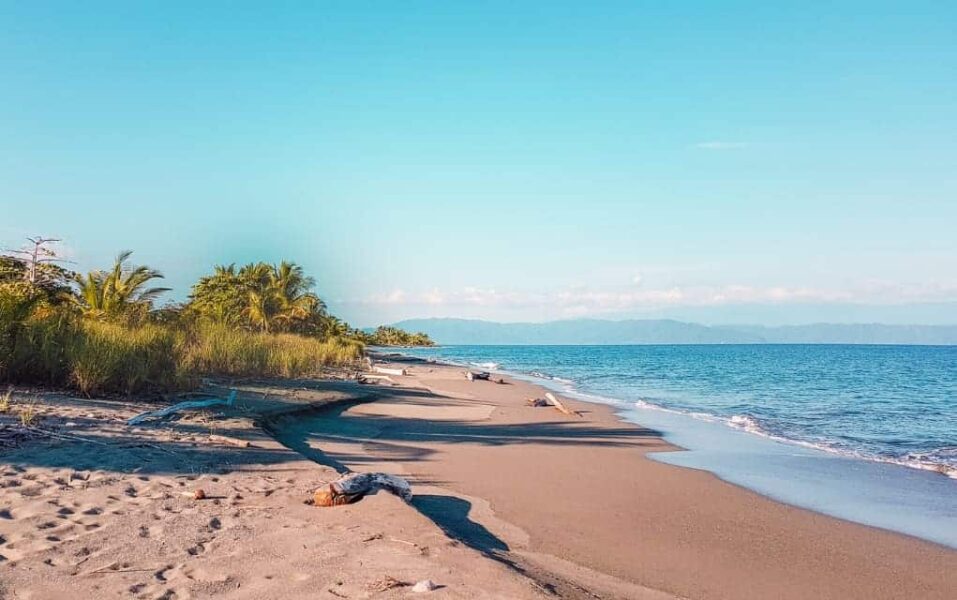
Puerto Jiménez is one of the main entry points to Corcovado National Park and sits along the shores of the Golfo Dulce. It has more infrastructure than many other towns in the Osa region, including restaurants, small shops, and tour operators.
Best for: Corcovado access, wildlife, small-town infrastructure
Drake Bay
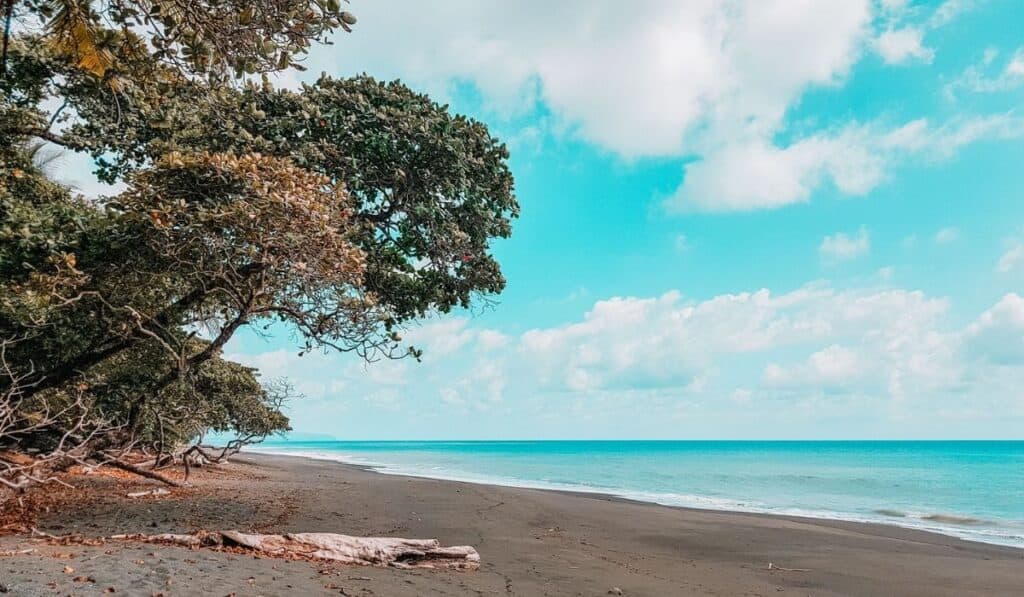
Drake Bay is a small, remote village that serves as another gateway to Corcovado National Park. Getting here requires a bit of effort, but that’s part of its charm. Expect boat transfers, jungle trails, wildlife encounters, and a true off-grid feeling. This is where you come to unplug and immerse yourself in nature.
Best for: Remote eco-lodges, disconnecting, Corcovado adventures

Dominical
Dominical is a small but lively beach town with a compact downtown strip, strong surf culture, and lush mountains towering behind it. Despite its size, there are excellent restaurants, yoga studios, and easy access to waterfalls.
Best for: Surf, small-town energy, jungle-meets-beach

Pavones
Pavones is famous for having one of the longest left-hand surf breaks in the world. It’s rustic, and not the easiest place to reach. But, if surfing is your priority and you don’t mind a bit of adventure to get there, Pavones delivers.
Best for: Serious surfers, remote travel, rugged coastline
Is Costa Rica planning feeling overwhelming? Let us break it down for you.
Sign up for free, step by step guidance (plus your printable planning checklist right now) and we’ll tell you exactly what to do next, and when.
Things to do
Things to do on the Osa Peninsula
Expect wildlife, remote beaches, boat transfers, and true off-grid adventure.
Explore Corcovado National Park
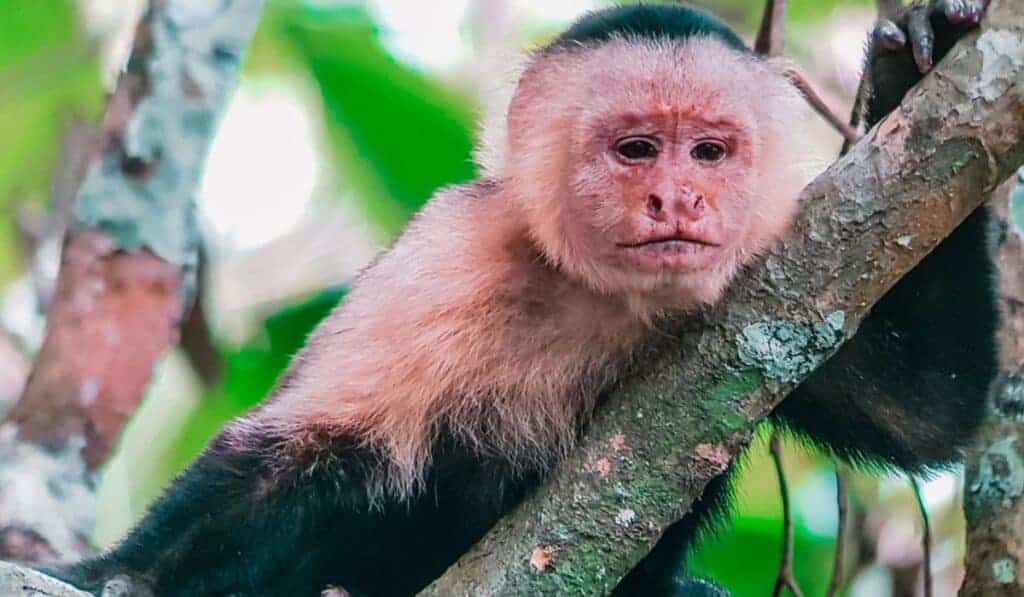
Corcovado National Park is described as one of the most biologically intense places on Earth. This protected rainforest is home to tapirs, scarlet macaws, monkeys, and even jaguars. Guided hikes are required in most sectors and are absolutely worth it. Find out more in our Corcovado National Park guide

Snorkel or dive at Caño Island
Just offshore from Drake Bay is the Caño Island Biological Reserve. This is one of the best snorkeling and diving spots in the country. There are clear water, coral reefs, and large schools of fish.
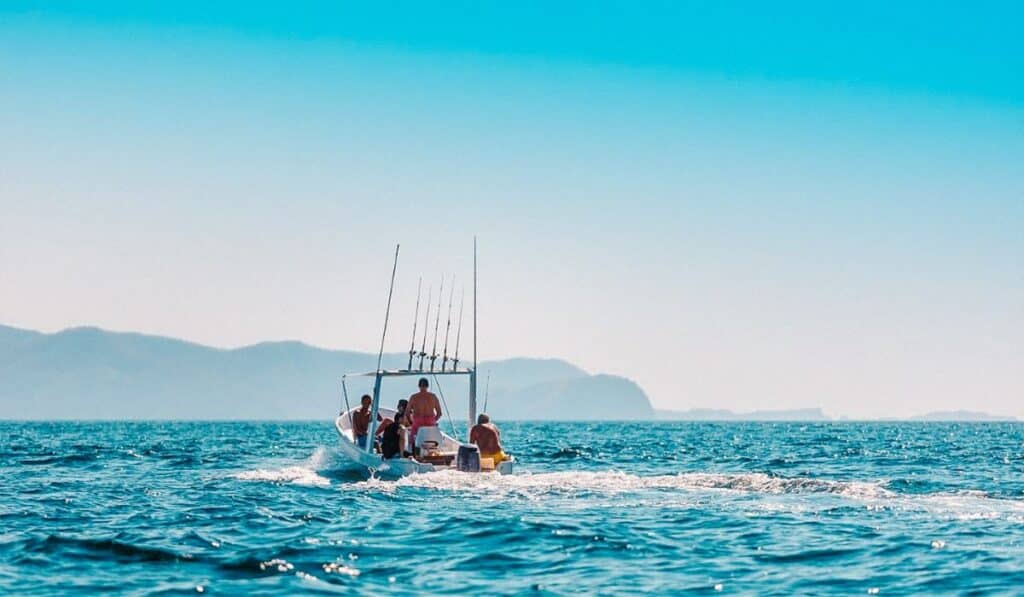
Wildlife boat tours and mangroves
The Osa region is full of unique waterways
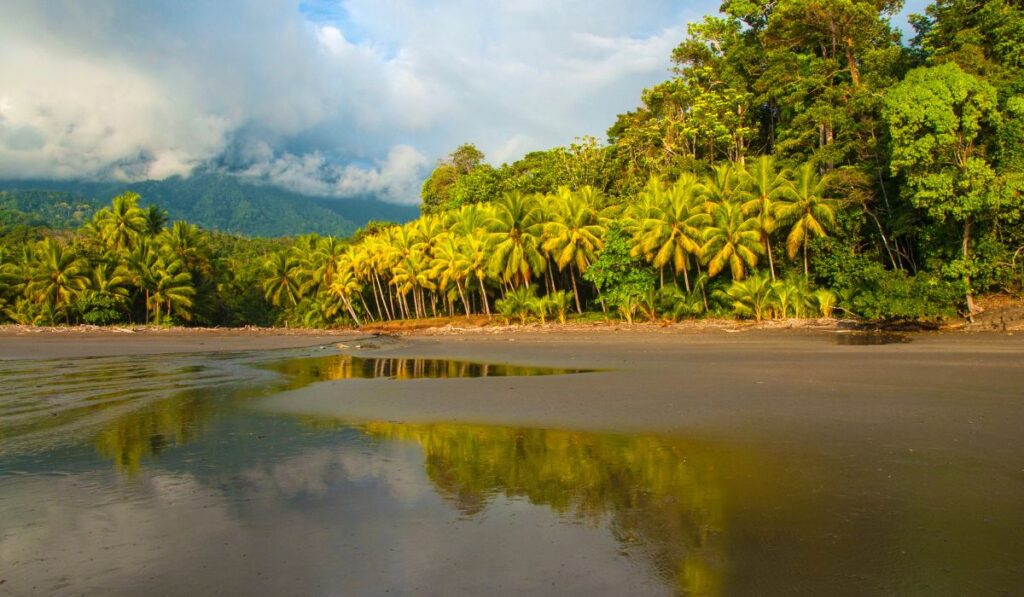
Go beach hopping
All beaches in Costa Rica need to have public access by law. On the Osa Peninsula you can find a wide range of beaches from spots that are lined with white sands to more rustic places lined with drift wood and darker sands. There are some busy beaches (mostly closer to Uvita and some completely deserted beaches.
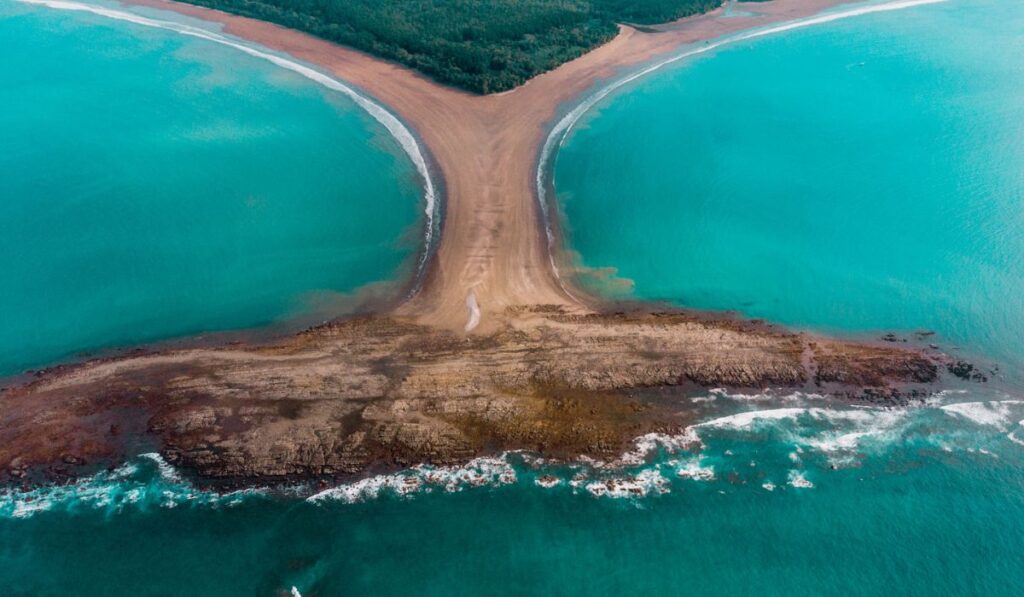
Whale watching (seasonal)
From July through November, humpback whales migrate through the Pacific Ocean waters around the Osa Peninsula. Boat tours during this time offer the chance to see these massive animals breaching offshore. Our favorite place to do this is from Uvita. Find out more in our guide to whale watching in Uvita
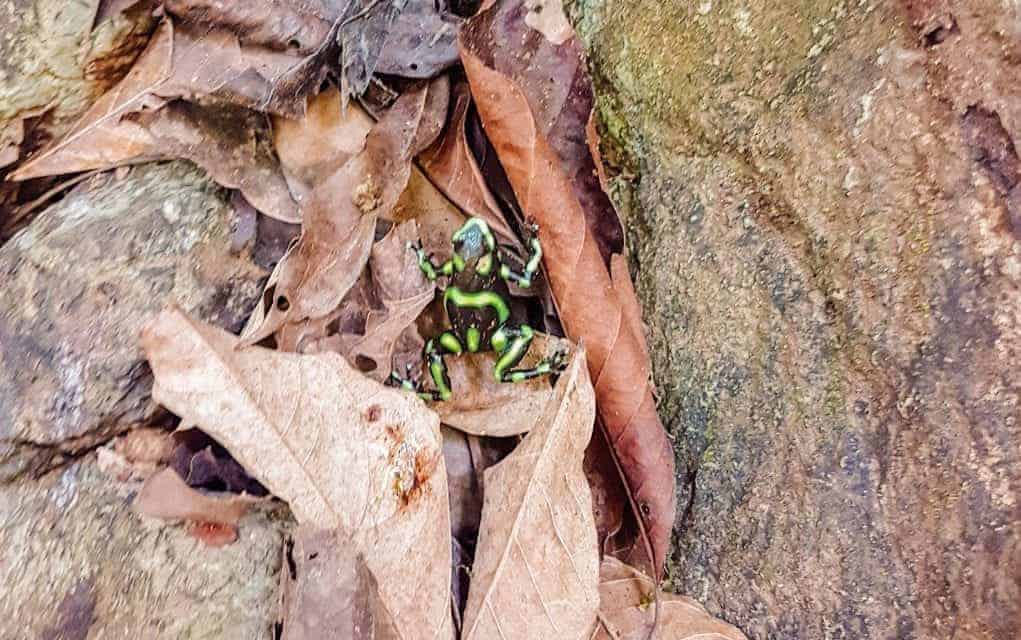
Night jungle walks
One of the most underrated experiences in the Osa Peninsula is a guided night hike. Frogs, insects, snakes, and nocturnal mammals come alive after dark. It’s very cool to experience these animals up close.

Adventure activities
If you want a bit more adrenaline:
Free trip planner
Get a custom Costa Rica itinerary
Tell our planner your dates, airport and travel style. It picks the regions that fit, with hotels, tours and drive times for each stop.
Weather
Best time to visit the Osa Peninsula
The Osa Peninsula is one of the rainiest regions in Costa Rica. It can be visited year-round but, weather can play a much bigger role here than in drier regions like Guanacaste.
Late December to April
Dry season
This is the most popular time to visit the Osa Peninsula. Expect:
This is the best time for visiting Corcovado National Park and staying in remote areas like Drake Bay or Puerto Jiménez with fewer weather-related disruptions such as flooded river crossings.
May to August
Early green season
From May through August, rainfall increases but mornings are often still sunny.You can expect:
Road conditions can begin to deteriorate, especially on unpaved routes, but you should still be fine getting around with a 4×4 or SUV with decent clearance.
September to October
Rainiest months
September and October are typically the wettest months in the Osa region.
If you plan on visiting southern locations like Drake Bay, Golfito, or Puerto Jiménez, you must be prepared for muddy roads and possible road closures due to flooding. Also, keep in mind that Corcovado National Park usually closes for the month of October due to poor conditions.
Year-round temperatures and daylight
Daytime temperatures typically stay in the upper 80s°F (around 30°C), with evenings cooling to the mid-60s°F (around 19°C).
Because Costa Rica sits near the equator, sunrise and sunset times remain consistent year-round. Sunrise around 5:15 to 5:45am and sunset between 5:30 to 6:00pm.

Is it right for you?
Who the Osa Peninsula is best for
Osa Peninsula is best suited for
It may not be ideal for

Getting around
Getting to and around the Osa Peninsula
The Osa Peninsula is one of the most remote regions in Costa Rica. Transportation here requires more planning than in most other parts of the country.
Here are your main options.
Most Flexible Option
Renting a car
We usually recommend renting a car if you’re exploring multiple areas of the Osa Peninsula.
This is one region where vehicle choice matters.
Destinations like Puerto Jiménez and areas near Corcovado National Park may involve rougher terrain.
If you are staying in more accessible areas like Uvita or Dominical, roads are generally paved and easier to navigate.
Fastest Option
Domestic flights
If you want to avoid long drives, you can take a short domestic flight from San José to:
Flights drastically reduce travel time and are a good option. You can always rent a car or depend on shuttles for activities once there.
Boat transfers
Some areas, particularly Drake Bay, are often accessed by boat depending on your route.
Many lodges will arrange boat pickups from Sierpe. This is a scenic and stress-free way to arrive in the area.
Private or shared shuttle
Shuttles are a comfortable alternative if you don’t want to drive.
They are ideal if:
Travel times can be long, so this option works best if you’re comfortable sitting for extended periods.
Budget Option
Public bus
Public buses run to larger towns like Uvita, Dominical, and Puerto Jiménez.
However:
This option works best for budget travelers with flexible schedules.
Important road considerations
The Osa Peninsula experiences heavy rainfall, especially from September through October.
During green season, river crossings may become impassable and the muddy roads can slow travel.
FAQ
Osa Peninsula FAQ: your questions
Is the Osa Peninsula safe to visit?
Yes, the Osa Peninsula is generally very safe for travelers. As with anywhere in Costa Rica, use common sense precautions such as not leaving valuables unattended and being cautious when driving at night on rural roads.
Are there sloths and other wildlife in the Osa Peninsula?
Yes. The Osa Peninsula is one of the most biodiverse regions in the world. Visitors frequently see sloths, monkeys, scarlet macaws, toucans, and tapirs. Wildlife sightings are especially common in and around Corcovado National Park and rainforest lodges
Is the Osa Peninsula good for families?
The Osa Peninsula can be great for adventurous families who enjoy wildlife, hiking, and nature experiences. However, it’s not ideal for families seeking large resorts, nightlife, or highly developed tourist infrastructure.
Is the Osa Peninsula better than Manuel Antonio?
It depends on your travel style. If you want rugged wilderness and fewer crowds, Osa is a better fit. If you prefer convenience and shorter travel times, Manuel Antonio may be more suitable.
Keep exploring
You might also like visiting

None of those calling your name? See all Costa Rica destinations.