Costa Rica culture
Costa Rican culture: what to expect
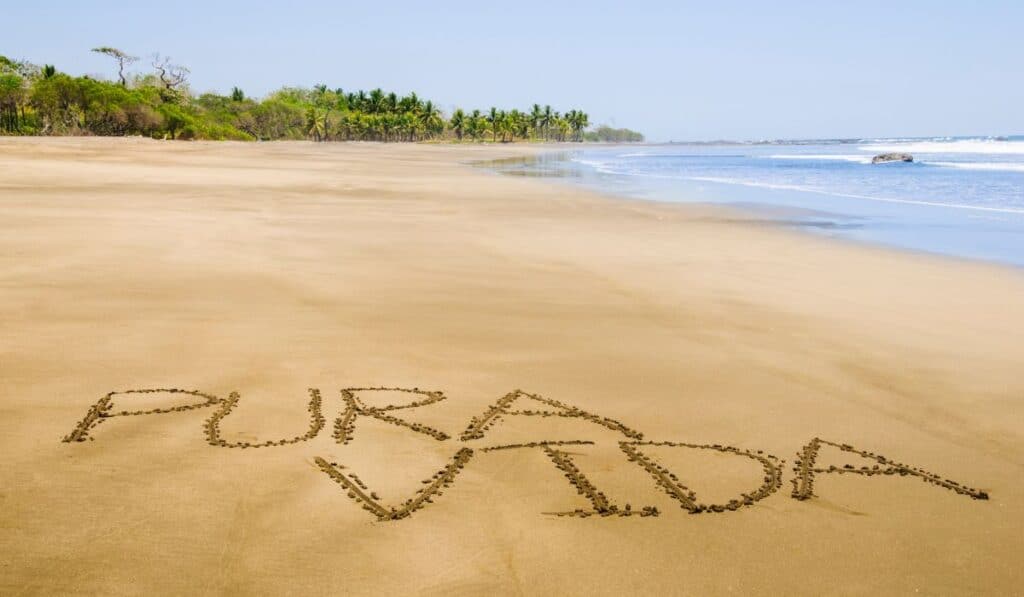
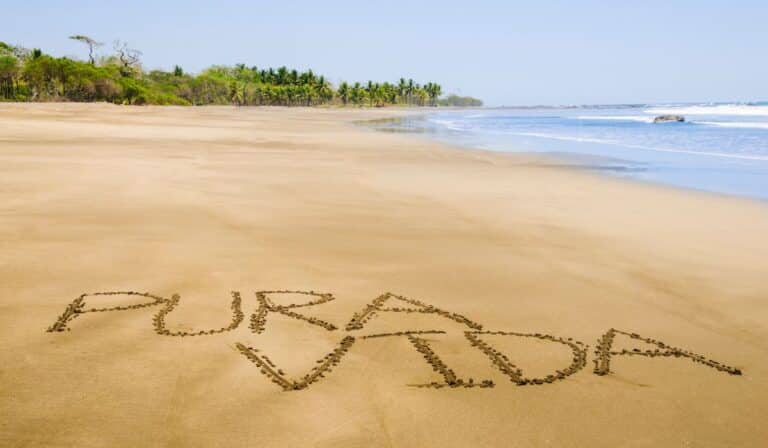
Costa Ricans are known for a laid-back attitude and a deep appreciation for life’s simple joys, or as they say, pura vida.
We’ve lived here since 2016, so here’s what pura vida really means, how people live here, what has surprised us, and how to experience it all respectfully on your trip.
Language
Spanish
Motto
Pura vida
People
Ticos and Ticas
Book with confidence
Experience the culture
Coffee tours
Farm to cup
One of the first things we recommend to visiting friends.
The motto for life here
“Pura vida”
Directly translated, it means “pure life.” In Costa Rica it’s used to mean: chill out, life is good.
After living here for years, we’ve learned it’s more than a saying. It’s a mindset that shapes how people handle stress, time, and relationships. You’ll hear it as hello, goodbye, thanks, and “no worries.”
💬 Our pura vida moment
When we set up wifi, there was no address to give, so we described our house as “20 meters southwest of the soccer field, the pink house with the black gate.” A week later, a crew blocked the road, climbed on our roof, and stapled wires through the house. A week after that, it stopped working. All you can do is shrug and say “pura vida.” Now it’s one of our favorite stories.
Food culture
Three dishes to start with
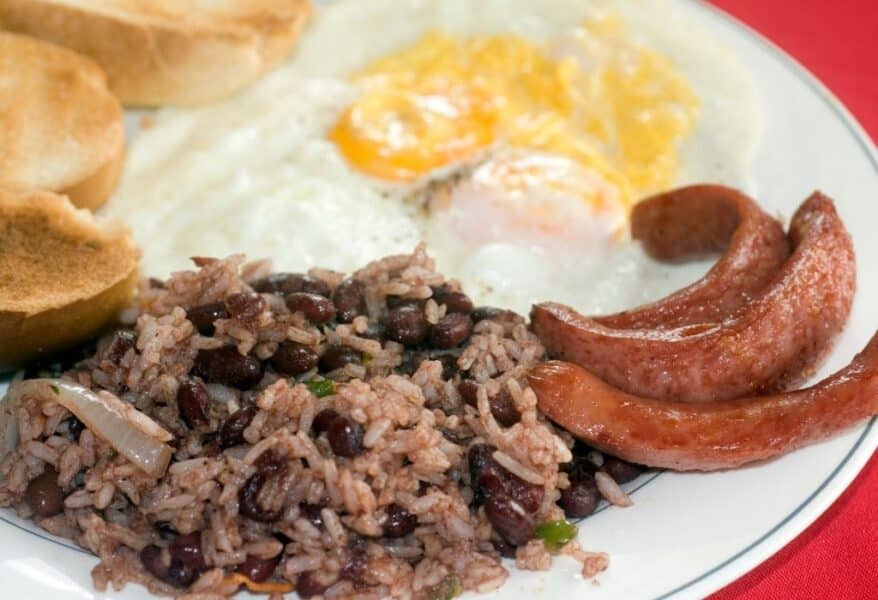
Gallo pinto
Rice and beans mixed with herbs and seasoning, usually eaten for breakfast with eggs and fruit.
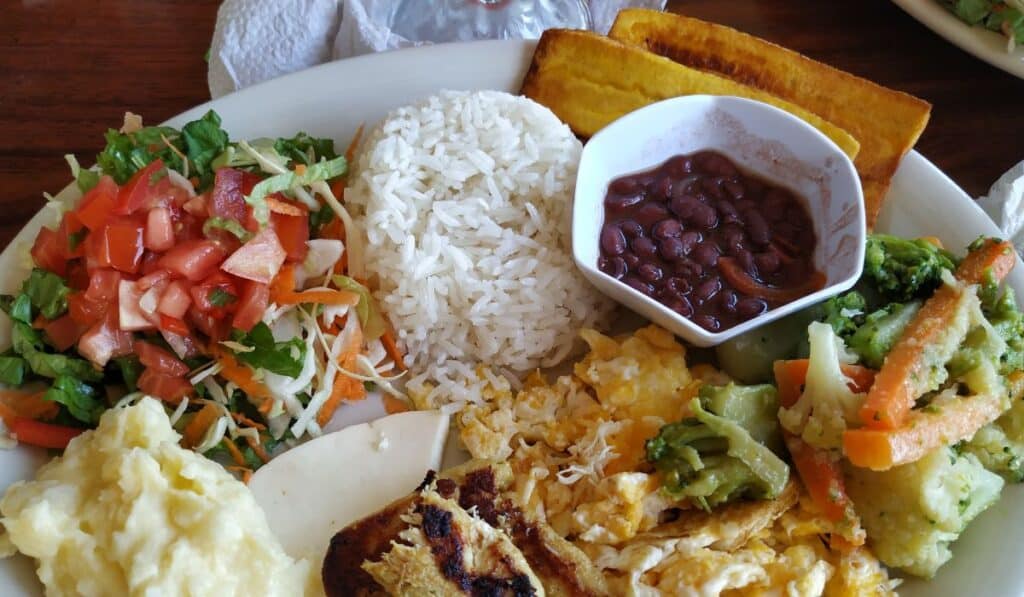
Casado
The typical lunch: rice, beans, a protein, salad, and sometimes fried plantain. Affordable and filling.
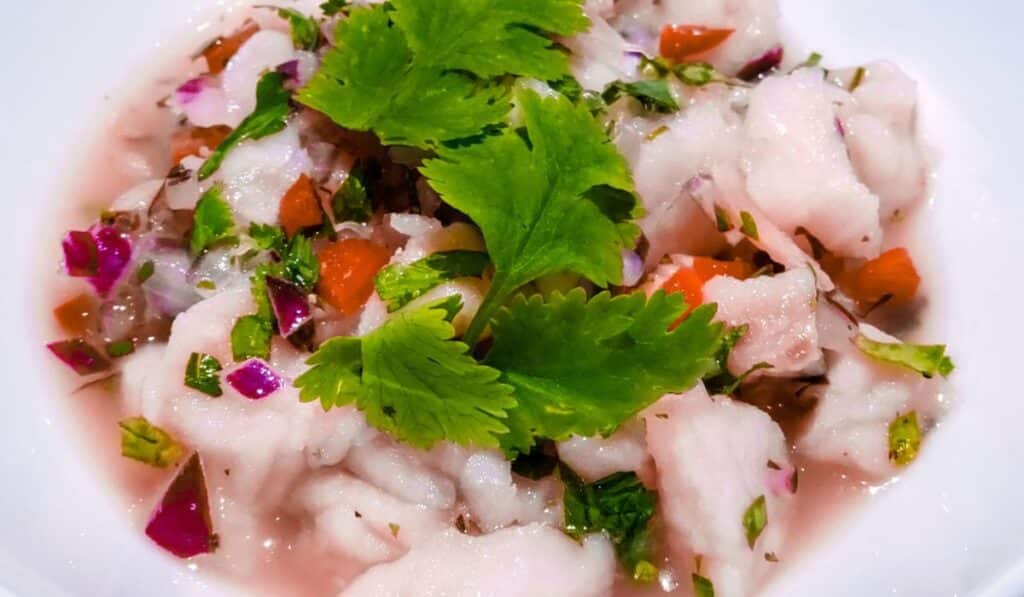
Ceviche
Fresh fish soaked in lime juice with red onion, red pepper, and herbs.
💬 Sarah & Thomas tip
We suggest grabbing a small bottle of Salsa Lizano, the tangy brown sauce you’ll find on almost every table here. It makes a great souvenir, too.
More traditional foods to try →
Eating and drinking in Costa Rica →

Holidays
Celebrate like a local
One of the many things we love about living here is getting a taste of a different culture. You’ll celebrate familiar holidays like Christmas and Easter, plus some you’ve probably never heard of. In our opinion, the most unique is La Romería on August 2, when people walk to the basilica in Cartago.
Christmas is one of our favorite times of year. Sarah grew up in Massachusetts, so 80°F and sunny still feels a little strange, but celebrating on the beach (with plenty of tamales) is so much fun.
💬 Sarah & Thomas tip
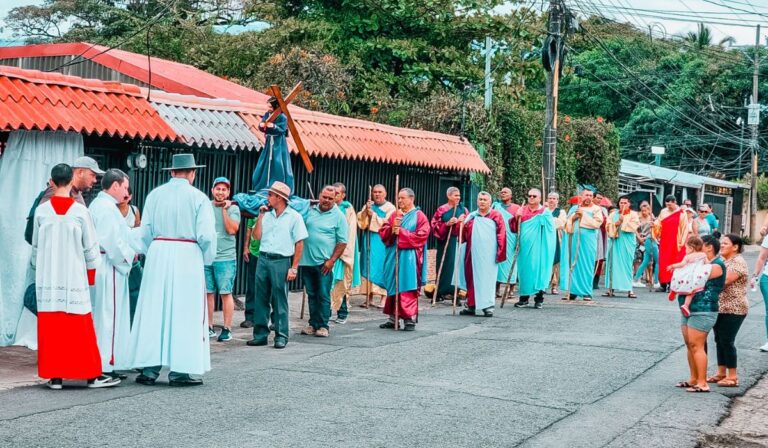
We’ve learned the hard way about Easter week (Semana Santa). Beach towns fill up with families and some businesses close. We think it’s smarter to spend Easter weekend in a jungle town like La Fortuna and save your beach days for after.
Cultural differences
Slow down, it’s worth it
The biggest difference we noticed when we moved here was the relaxed lifestyle. It can feel like nothing gets done, which was frustrating for city folks like us.
But on the flip side, people here just seem so much happier and nicer.
Costa Rica facts · 32 things not to do in Costa Rica · 90 travel tips
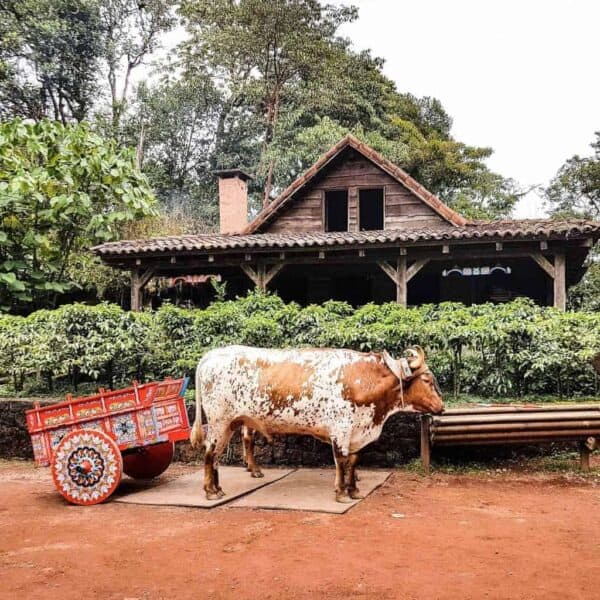
Speaking the language
Spanish, Tico style
Spanish is the main language, but most people working in tourism speak some English. We live in San José and still have our share of mix-ups. Sarah studied Spanish for years and can get by, but still feels unprepared at the hairdresser or the doctor.
The good news: we find Ticos are very patient and thankful for any effort, even if your Spanish isn’t perfect. The free Google Translate app helps with menus and signs.
Pura vida
Hello, goodbye, thanks, all good.
Mae
Dude or buddy, used constantly.
Tuanis
Cool or great.
Con mucho gusto
The polite way to say you’re welcome.
💬 Sarah & Thomas tip
Gas stations are full service here. If the attendant washes your windshield or checks your tires, we usually tip about 300 colones.
Coffee culture
Coffee is a big part of life
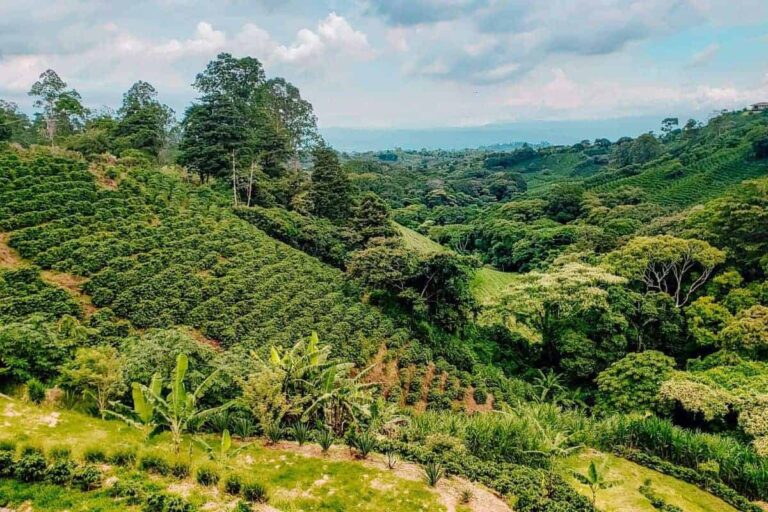
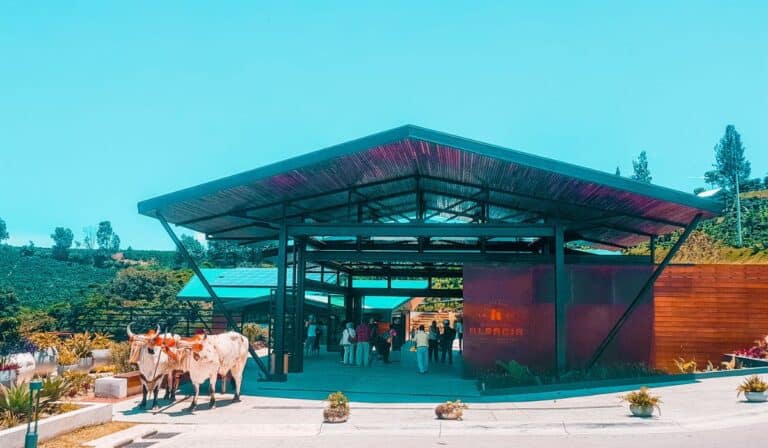
We live in the San José area, which means we’re surrounded by coffee. Some of our closest friends own a coffee farm, and we’ve done just about every coffee tour in the country. Costa Rica isn’t the coffee powerhouse it once was due to rising costs, but when friends visit, a coffee tour is one of the first things we recommend.
💬 Sarah & Thomas tip
For first-timers, we usually recommend Doka Estate for a full bean-to-cup overview. And at home, we still brew the traditional Tico way, with a cloth “sock” filter on a chorreador.
Good to know
Souvenirs, long lives, and moving here
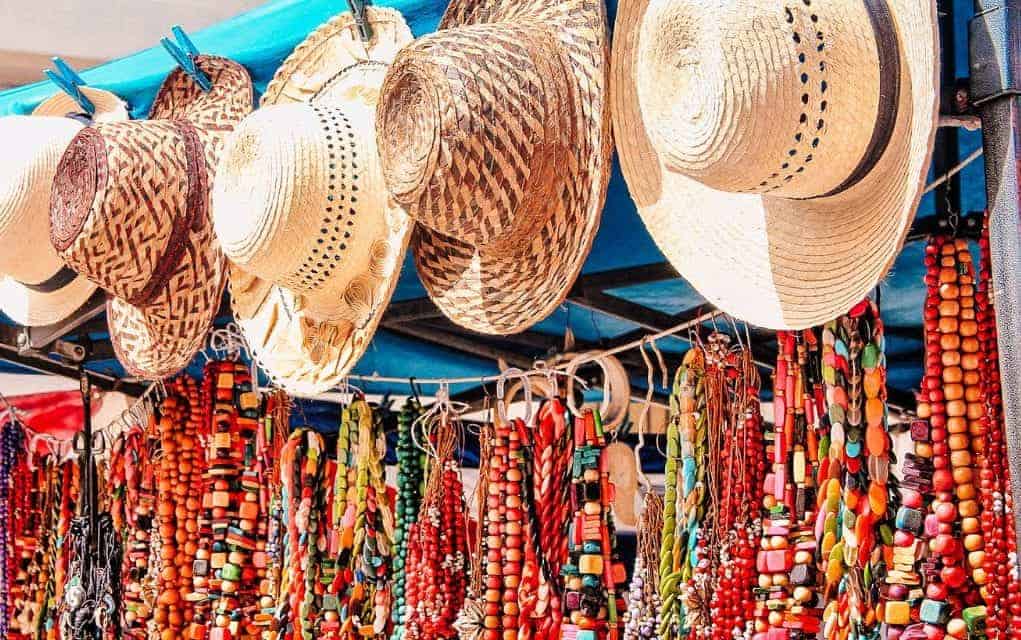
Souvenirs
Coffee and chocolate
Our favorite souvenirs are always coffee and chocolate, from any grocery store or the airport gift shops. We also love supporting small local brands and artist stands.
Our take: Sibo and Britt chocolate are two of our favorites, and Thomas swears by Dreamland’s bamboo sunglasses.
Blue Zone
Nicoya’s long lives
Costa Rica’s Nicoya Peninsula is one of the few Blue Zones in the world, places where people regularly live past 100.
Our take: Nicoya is one of our favorite areas. For a feel of traditional life, we suggest Cabuya or San Francisco de Coyote.

Moving here
A bit of a culture shock
Moving here means finding a place to live, setting up wifi, figuring out visas, and more. We definitely floundered a bit, so we share everything we learned.
Free planning checklist
Feeling overwhelmed? We’ll break it down
Sign up for free, step-by-step planning emails and get our printable Costa Rica checklist right away.
FAQ
Costa Rica culture FAQ: your questions
What does pura vida mean?
Directly translated, pura vida means “pure life.” In Costa Rica it’s used to mean chill out, life is good, and you’ll hear it as hello, goodbye, thank you, and no worries. After years of living here, we’ve found it’s really a mindset.
What language is spoken in Costa Rica?
Spanish is the main language, but most people who work in tourism speak some English. In our experience, Ticos are very patient and appreciate any effort to speak Spanish.
What are Costa Ricans called?
Costa Ricans call themselves Ticos and Ticas.
What is the traditional food in Costa Rica?
Gallo pinto (rice and beans) for breakfast and a casado (rice, beans, protein, salad, and plantain) for lunch are the classics. Ceviche is popular on the coasts.
What are good souvenirs from Costa Rica?
Coffee and chocolate are our favorites, and you can find them at any grocery store or at the airport. We also love local artist stands for unique handmade pieces.
Every culture guide
More about Costa Rican culture










You might also like