Have you ever eaten gallo pinto? What about a casado or chifrijo? If not, you’re in for a treat.
I think that Costa Rican food doesn’t get the attention it deserves. It’s honest, simple cooking which uses ingredients like rice, beans, fresh produce, a lot of citrus and cilantro. After living here since 2016, I’ve become used to the cuisine here. But, when I am out of the country for even just a few weeks I really start to miss typical things like Gallo Pinto for breakfast.
We made this guide organized by meal type so you can find what you’re looking for easily. Whether you want to know what to order for breakfast, what to grab at a bar, or what to try for dessert. We’ve got your covered!
Don’t Want to Read It All?
Here’s the short version of what you should know about traditional Costa Rican food:
- Breakfast: gallo pinto with eggs, fried plantains and fresh cheese is the classic, and it’s the best meal of the day here.
- Lunch: a casado (rice, beans, salad, plantains and a protein) is the best-value meal you’ll find. Look for it at a soda.
- Snacks: ceviche, chifrijo and patacones, ideally with a cold Imperial.
- Sweets: tres leches cake, arroz con leche and copo (shaved ice) on a hot day.
- On every table: Salsa Lizano. Try it on your gallo pinto.
- Hungry for more: try the fruits in Costa Rica and traditional Costa Rica drinks.

Costa Rican Food: At a Glance
- Overall vibe: Simple, fresh, flavorful
- Best meal of the day: Hands down, breakfast. Desayuno típico is exceptional
- Most important dish to try: Gallo pinto. It’s the foundation of everything
- Best value meal: Casado at lunch, $10 to 12 at a local soda
- Where to eat: Sodas (small local restaurants)
- Vegetarian-friendly? Yes. Rice, beans, and plantains are naturally vegetarian. Most sodas will accommodate
- Must-try condiment: Salsa Lizano. Buy a bottle to take home
- Must-try drink: Fresh fruit juice (jugos naturales)
Breakfast Foods
Gallo Pinto
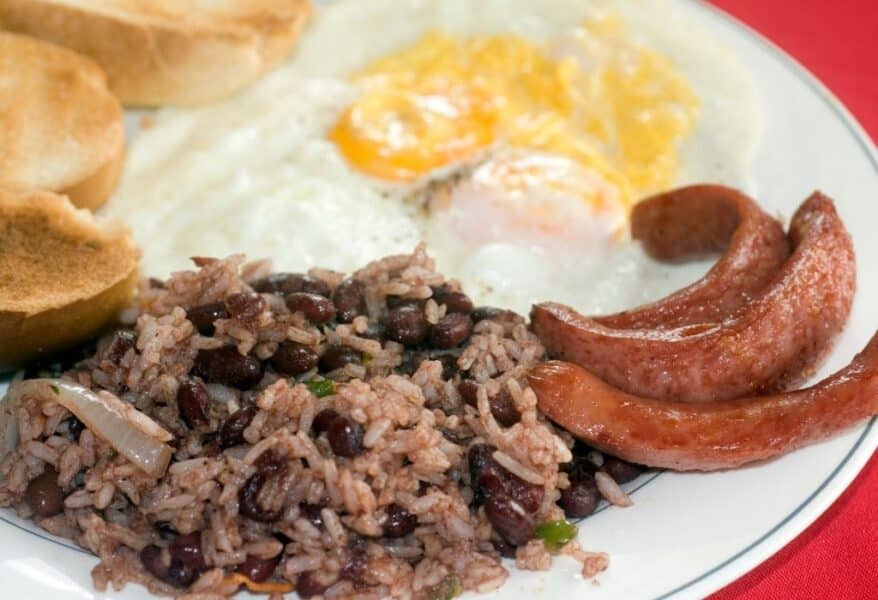
“Spotted rooster” is the literal translation, but no roosters are involved. Gallo pinto is rice and black beans cooked together and it is the backbone of Costa Rican food culture. The speckled appearance from the beans mixed through the white rice is where the name comes from.
It sounds plain until you eat it. The difference is for sure in the seasoning. Everyone makes it a little differently, using a combination of cilantro, Salsa Lizano (the essential Costa Rican condiment sauce), bell pepper, and onion.
The classic way to eat it is at breakfast: gallo pinto with scrambled or fried eggs, sweet fried plantains, a slice of fresh white cheese, fruit, and a strong Costa Rican coffee. If you see “desayuno típico” on a menu, that’s what you’re ordering. I feel like you need to eat this at least once while you are here.
Chorreada
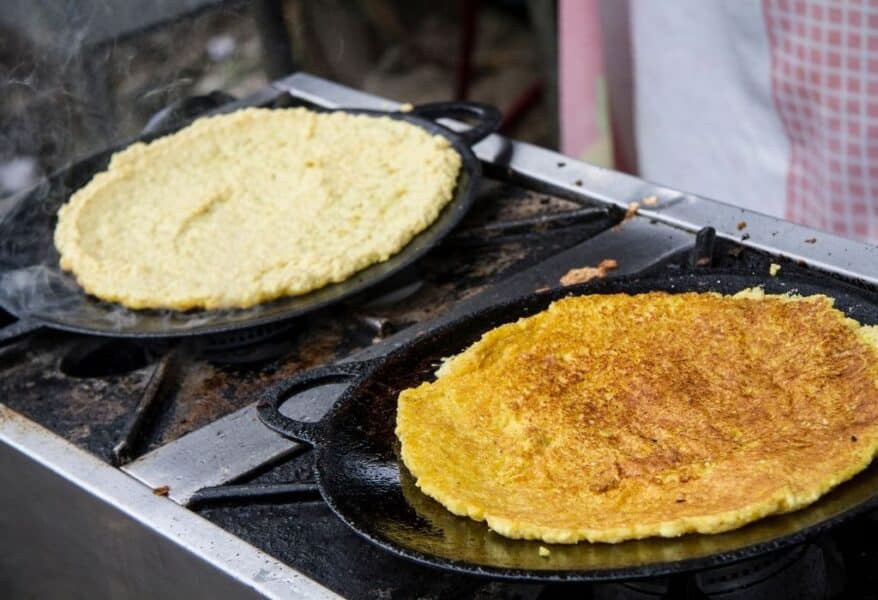
A chorreada is a thin Costa Rican corn pancake made from fresh corn rather than corn flour, which gives it a natural sweetness and a slightly coarser texture than a regular pancake. It is usually served with natilla (Costa Rica’s tangier, thinner version of sour cream) and a sprinkle of sugar or fresh white cheese on top.
Is Costa Rica planning feeling overwhelming? Let us break it down for you.
Sign up for free, step by step guidance (plus your printable planning checklist right now) and we’ll tell you exactly what to do next, and when.
I love getting a chorreada at a Saturday farmers’ market. It’s one of those simple things that just tastes right in context.
Main Dishes
Casado
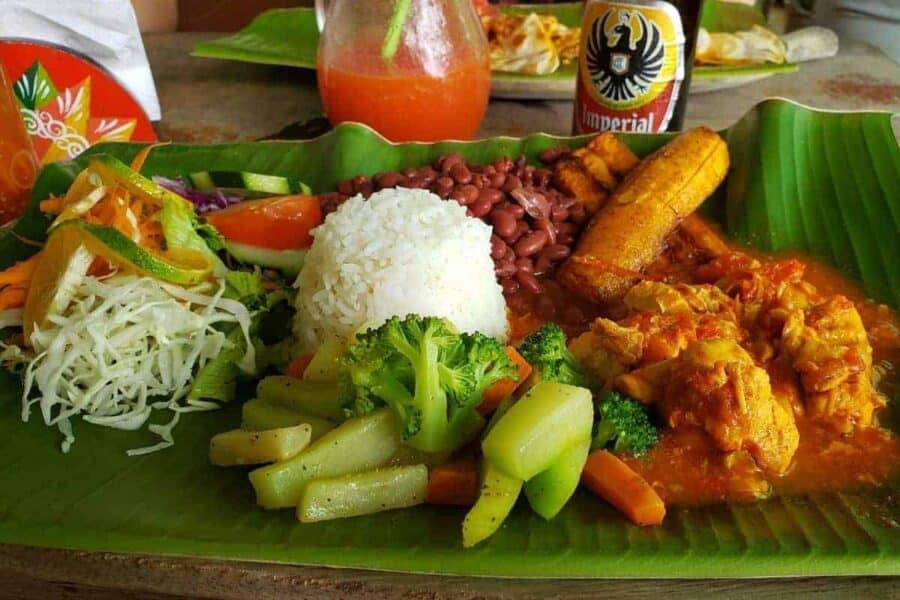
The casado is the quintessential Costa Rican lunch plate and the best-value meal you’ll find in the country.
On the plate you’ll usually find. Rice, black beans, a small salad, sweet fried plantains, and a protein (usually chicken, beef, fish, or pork). Sometimes a small pasta salad or cooked vegetable shows up on the side too. Every soda has their own version and that’s part of the fun.
💡 Sarah’s Tip
For the best-value meal in the country, order a casado at a soda, one of the small family-run restaurants you’ll find in every town.
Pescado Entero (Whole Fried Fish)
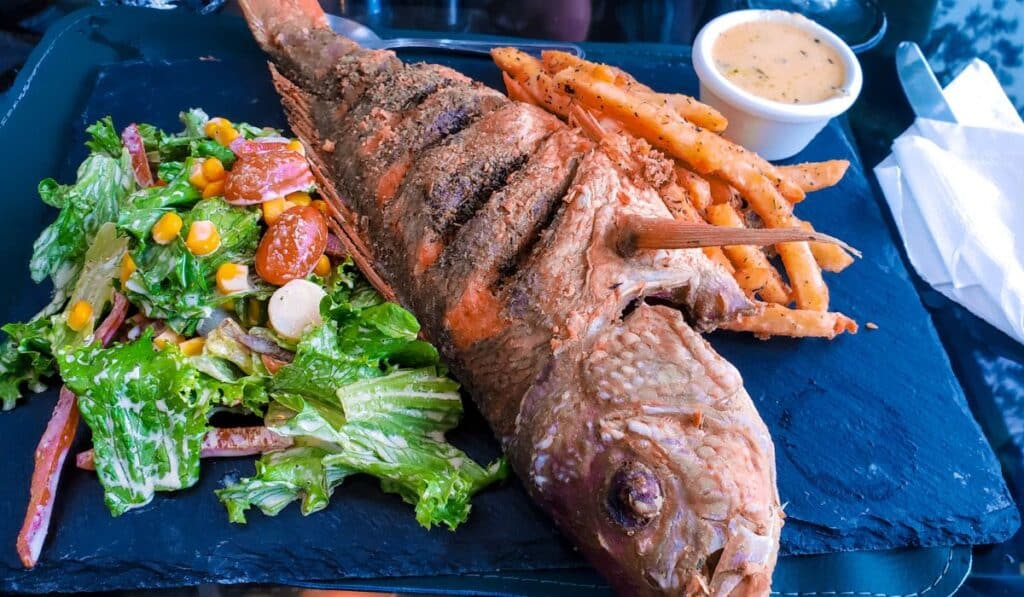
If a restaurant has whole red snapper on their menu, I can tell you with absolute certainty that Thomas will be ordering it.
Whole fried fish is a staple along both coasts and one of the best things you can eat in Costa Rica when you get it at the right place. The fish is scored, seasoned with garlic and lime, and fried whole until the skin is perfectly crispy and the inside is flaky and moist.
It typically comes with rice, beans, patacones or fries, and a small salad.
6. Tamales

Costa Rican tamales are different from Mexican ones. Here they are wrapped in banana leaves instead of corn husks, filled with masa (corn dough), rice, pork or chicken, vegetables, and olives, then steamed until firm and slightly sticky.
Tamales are most associated with Christmas here. Every December, families gather to make dozens of them together. It’s a real tradition and they’re a labor of love. If you’re visiting in December, eating a homemade tamale is a genuine cultural experience. The rest of the year you’ll still find them at markets and some sodas.
Also, keep in mind that you do not eat the banana leaf. Peel it open and eat the filling. The leaf is just a natural packaging.
Snacks and Starters
7. Ceviche
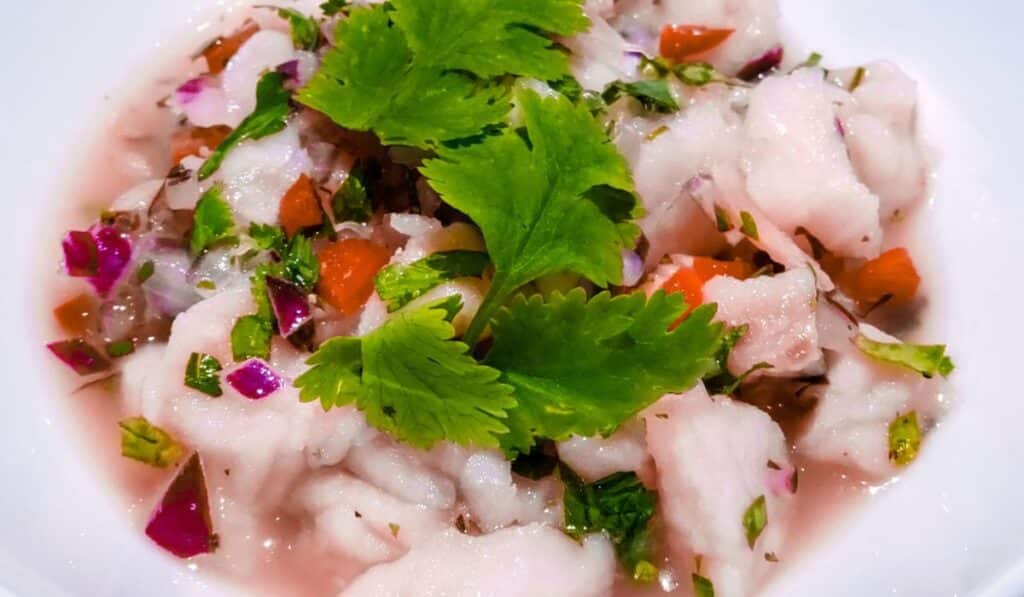
Costa Rican ceviche is fresh raw fish (usually sea bass) soaked in lime juice which cooks it, mixed with white onion, cilantro, and bell pepper. It is served cold with soda crackers on the side.
I eat it exactly as it comes. You’ll see locals add ketchup or mayo to theirs, which sounds odd but actually works. It is usually more of a starter or light lunch than a full meal.
One important note: some versions include shrimp or mixed seafood. If you have a shellfish allergy, always ask before ordering.
8. Chifrijo
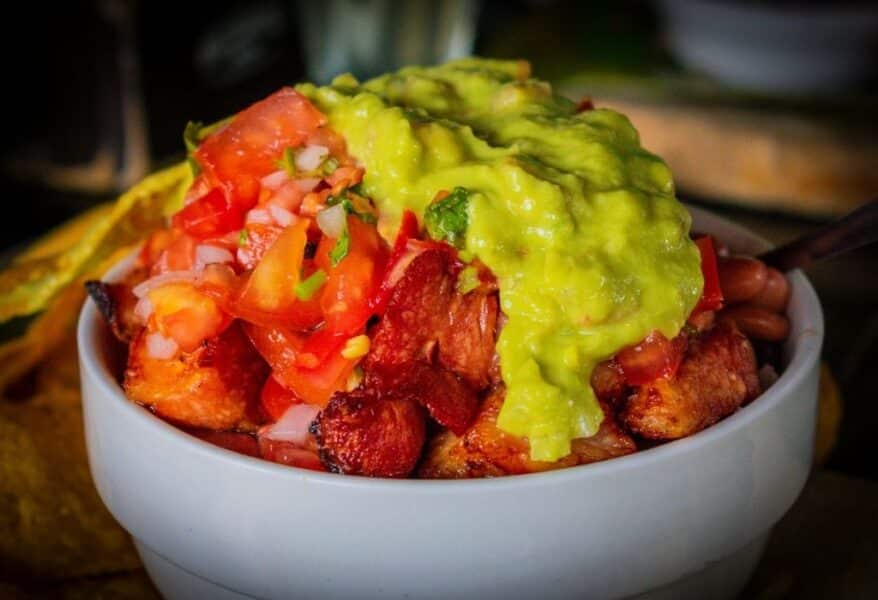
Chifrijo is Costa Rica’s great bar snack and one of those things that once you discover it, you want it constantly. It’s for sure my guilty obsession at bars.
The name is a mashup of chicharrón (fried pork) and frijoles (beans). It is basically a bowl layered with rice and beans, topped with crispy chicharrón, fresh pico de gallo (tomato salsa), and a squeeze of lime.
Order one with a cold Imperial or Pilsen and you’re having a very Costa Rican afternoon. Find it at sodas and bars throughout the country.
9. Patacones
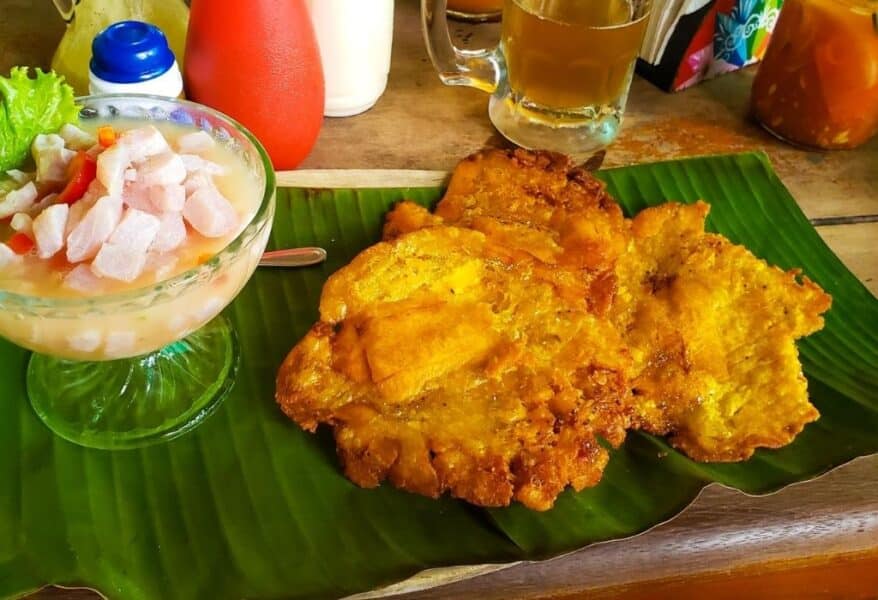
OK, I know I just said that chifrijo is my obsession, but actually, patacones are equally as amazing. Basically, green plantains are sliced into rounds, fried once, smashed flat, then fried again until crispy outside and slightly chewy inside.
They come as a side with lots of meals but are also sometimes served topped with black beans and sour cream, guacamole, or ceviche.
Desserts and Sweet Things
10. Tres Leches Cake
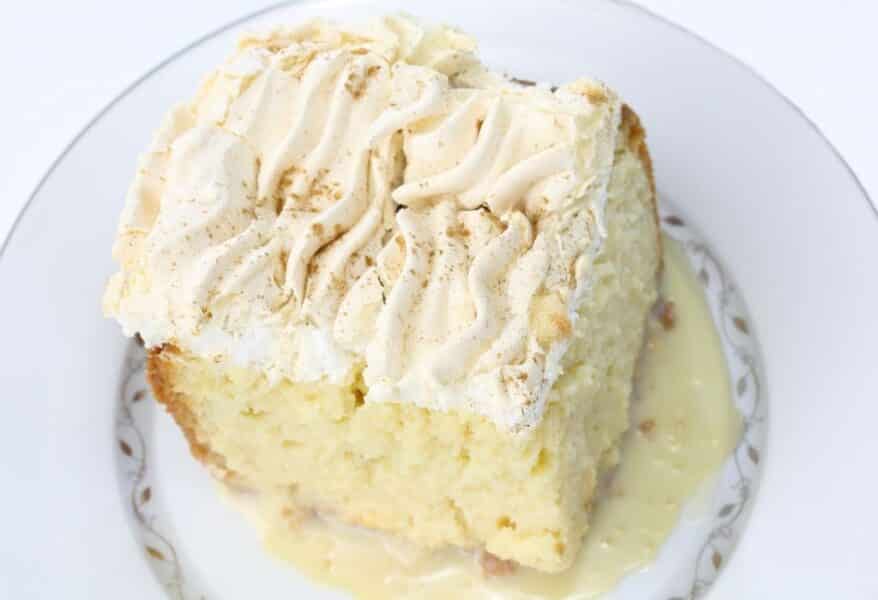
If you eat one dessert in Costa Rica, make it tres leches. This is a sponge cake soaked in a mixture of three milks (condensed milk, evaporated milk, and heavy cream) until completely saturated but still holding its shape. It is then topped with whipped cream.
Yes, as someone who has issues with lactose and hates things that are overly sweet, this cake is my nightmare. But, Costa Ricans love it, and I would consider it THE cake of the country.
11. Arroz con Leche
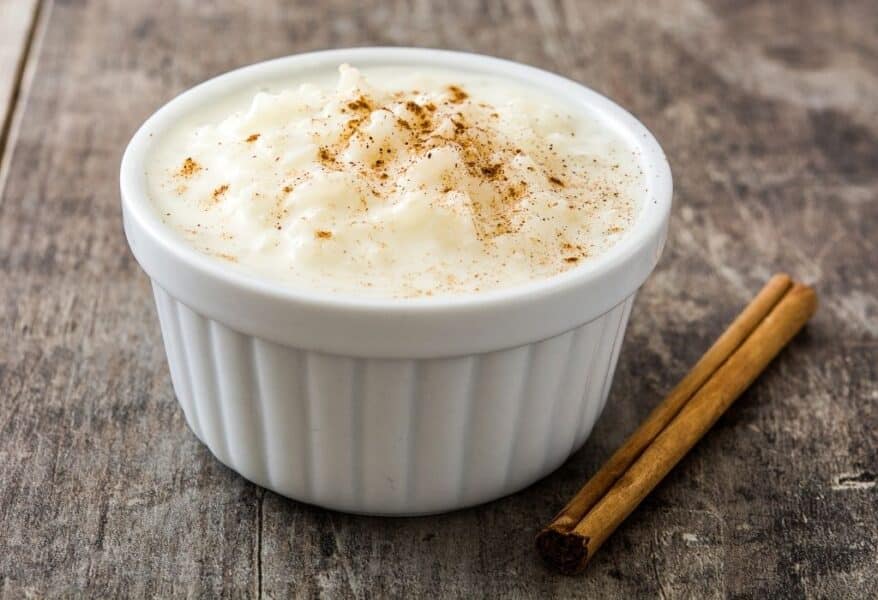
This is basically like what you probably know of as rice pudding. Rice cooked slowly in milk with sugar and cinnamon until thick and creamy. It can be served warm or cold with extra cinnamon on top.
12. Copo and Churchill

Copo and Churchill are basically the same thing, just with different names. You’ll see Churchill signs along the highway near Puntaarenas and Caldera, and you’ll see people pushing carts selling them on beaches all over the country.
What it is: shaved ice in a cup with flavored syrup. You pick your syrup flavor, and then you can also get condensed or powdered milk drizzled on top.
Honest note: with the full syrup and milk, it’s very sweet and if you’re not a big sweet person, it might be a bit much. Just ask for less syrup and skip the milk on top and it’s basically what you’d know as a snow cone, which is perfectly refreshing on a hot day.
Costa Rican Condiments Worth Knowing
13. Salsa Lizano
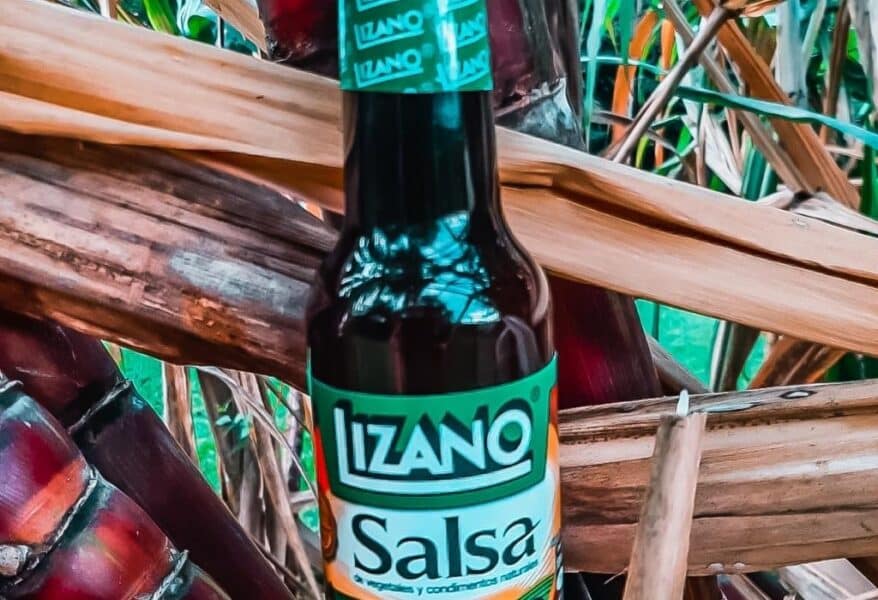
Salsa Lizano is the most important condiment in Costa Rica and you will see it on every table at every soda in the country. It is a thin, brown sauce made from vegetables and spices. I would say it most closely resembles worcestershire sauce, but it’s still not really the same. It’s the secret ingredient in most good gallo pinto and goes well on almost everything. Buy a bottle to take home.
14. Natilla
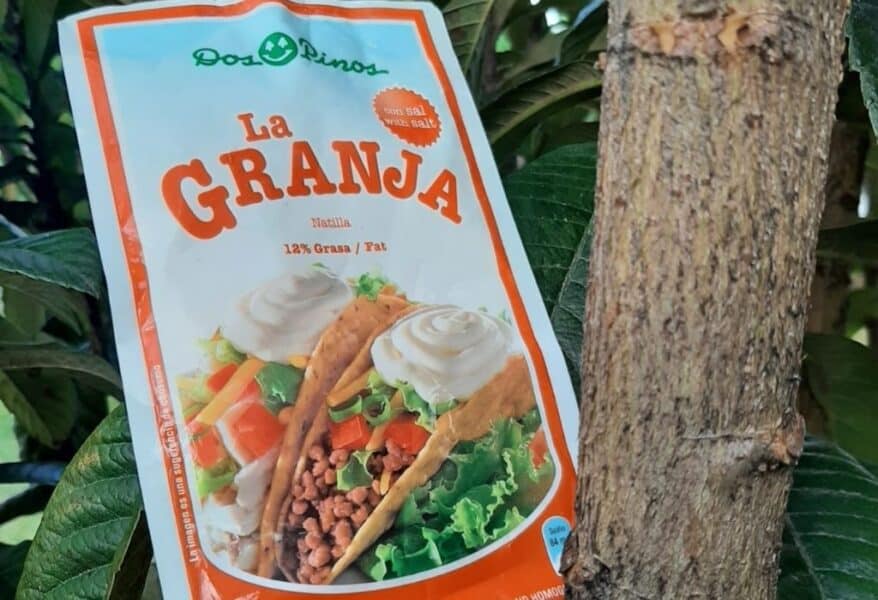
Natilla is Costa Rica’s version of sour cream, but thinner, more liquid, and tangier than what you might be used to. It goes on chorreadas, gallo pinto, and plenty of other things. It’s one of the things I know i would miss most if I didn’t live here.
You might also be interested in:
- Eating on a Budget in Costa Rica: The Locals Guide to Affordable and Delicious Food
- Costa Rica Coffee Tours: Best Farms to Visit Across the Country
- Costa Rica Chocolate Tours – A Fun Activity for All Ages
- Costa Rica Grocery Stores: Where to Go & What to Buy
- Costa Rica Blue Zone: Why Nicoya Is One of the World’s Longest-Living Regions
Travel easier
Plan Smarter, Travel Easier
Before you go, here are the tools we use for every Costa Rica trip.
Need help planning? Try our free day-by-day trip planner, grab our 7-day itinerary for first-timers, or join our email list and we will walk you through it step by step.

Meet the writer
Sarah McArthur
Sarah is the co-founder and main writer of Costa Rica Vibes. Originally from the US, she has lived in San José, Costa Rica since 2016 with her husband Thomas, who takes the photos you see on this site.
Together they have been writing about Costa Rica since 2017, drawing on years of road trips, hotel stays and tours around the country. We personally vet everything before we publish it.
Follow along on Instagram · Pinterest · Substack
or join our email list for trip planning help.
Meet the writer
Sarah McArthur
Sarah is the co-founder and main writer of Costa Rica Vibes. Originally from the US, she has lived in San José, Costa Rica since 2016 with her husband Thomas, who takes the photos you see on this site.
Together they have been writing about Costa Rica since 2017, drawing on years of road trips, hotel stays and tours around the country. We personally vet everything before we publish it.
Follow along on Instagram · Pinterest · Substack
or join our email list for trip planning help.