Are you curious about Costa Rica fun facts? Whether you are deep in trip planning or just love a good rabbit hole, these are the facts that make Costa Rica click.
We have lived here in Costa Rica since 2016, and between running Costa Rica Vibes and roaming the country for a decade, we have picked up more Costa Rica trivia than we know what to do with. So, please invite us if you have a Costa Rica trivia night. 😉
In this guide we are covering the basics people ask us most, plus fun facts about the environment, the culture, the history, and travel here. By the end you will actually sound like you know what you are talking about.
Let’s get to it!
Quick Answers to Common Costa Rica Questions
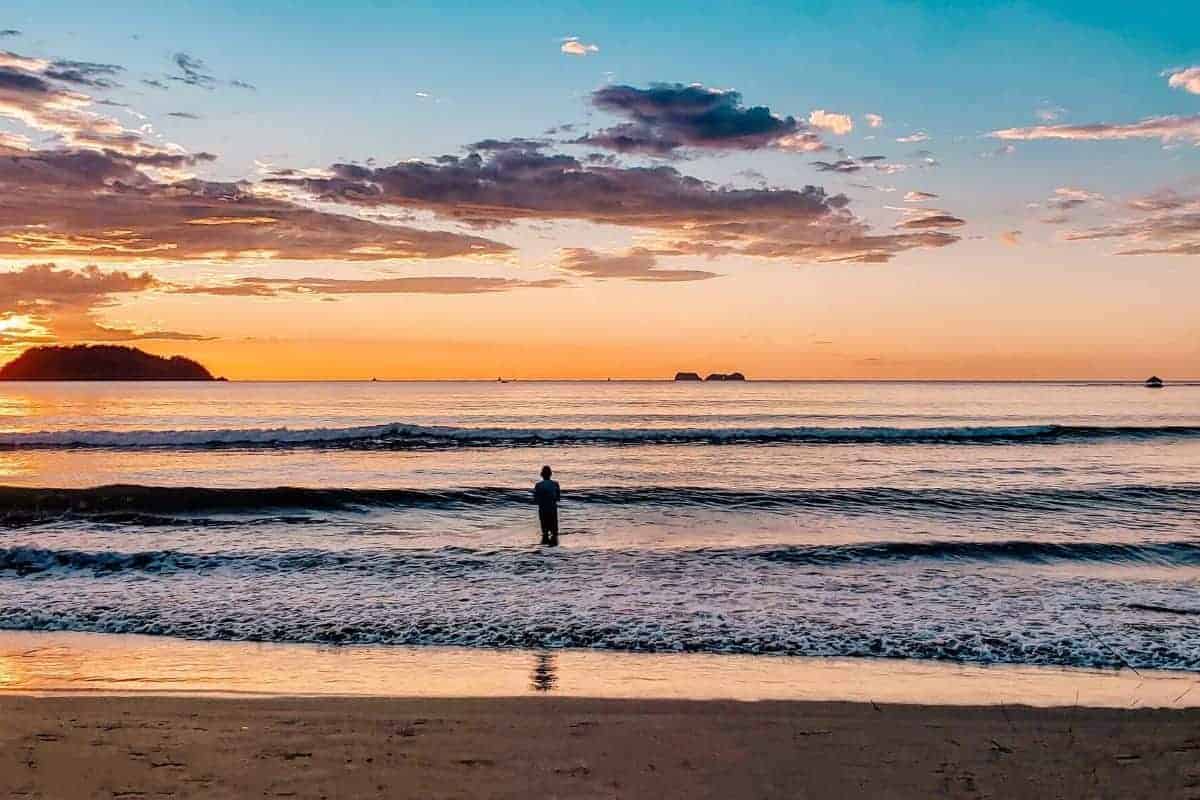
- Where is Costa Rica located? Costa Rica sits in Central America, bordered by Nicaragua to the north and Panama to the south, with coastline on both the Pacific Ocean and the Caribbean Sea.
- What language do they speak in Costa Rica? The official language is Spanish. A large percentage of citizens speak at least some English, thanks to the country’s long relationship with tourism.
- What currency does Costa Rica use? The official currency is the Costa Rican colón. That said, US dollars are accepted almost everywhere in tourist areas, from hotels to tour operators.
- What time zone is Costa Rica in? Costa Rica runs on Central Standard Time year round and does not observe daylight saving time. So depending on the season, it is either the same as US Central time or one hour behind.
- Is Costa Rica safe? Generally, yes. Costa Rica is considered one of the safer countries in Latin America for tourists, though like anywhere, it is smart to stay aware of your surroundings and take normal travel precautions.
- Should I visit Costa Rica? If you love nature, adventure, and a slower pace of life, absolutely. Here is a taste of why: start planning your trip here and see for yourself.
Environmental Facts
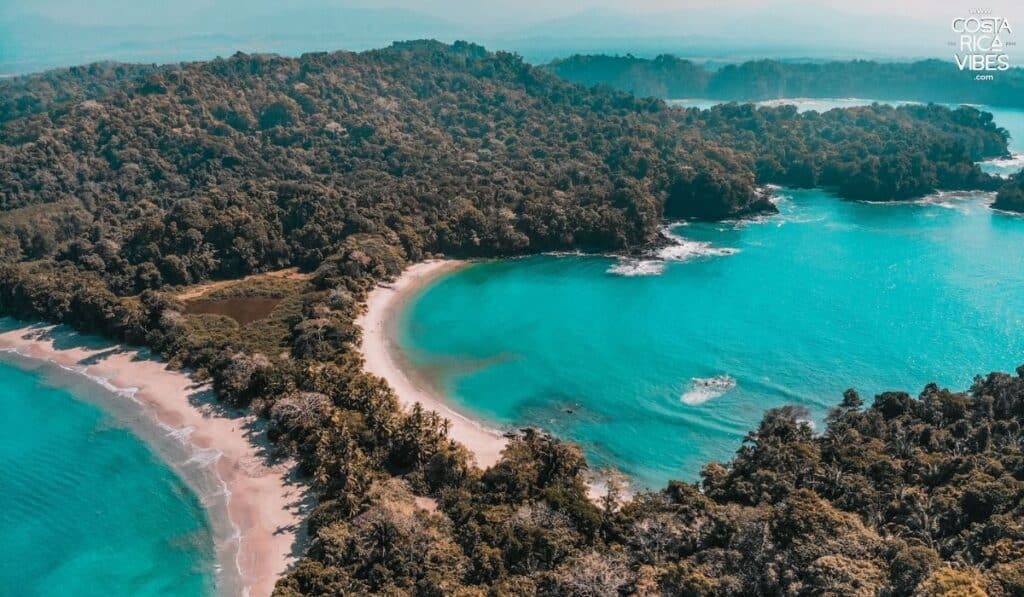
- Costa Rica is home to more than 5% of the world’s biodiversity. That is wild when you consider its landmass only takes up about .03% of the planet’s surface.
- Roughly 25% of the country is made up of protected forests, reserves, and wildlife refuges. The most popular national park is Manuel Antonio National Park.
- Costa Rica generates more than 98% of its electricity from renewable energy, mostly hydro, wind, and geothermal sources. If you visit the northern part of the country near Rio Celeste you will see the windmills used for wind energy.
- On the Pacific coast, the dry season runs from December through April. On the Caribbean coast, the dry season tends to run from August until December. You can find out more about the weather by month and location with our guide to weather by month.
Is Costa Rica planning feeling overwhelming? Let us break it down for you.
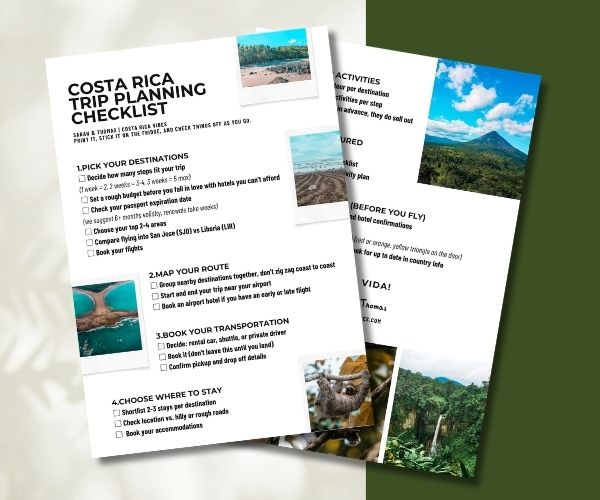
Sign up for free, step by step guidance (plus your printable planning checklist right now) and we’ll tell you exactly what to do next, and when.
Geographical Facts

- Costa Rica is not an island. This is one of the most common misconceptions we hear.
- Costa Rica is part of the Central American mainland, bordered by Nicaragua to the north and Panama to the south.
- It has a coastline on both the Pacific Ocean and the Caribbean Sea, which is probably why people assume it is an island.
- Costa Rica covers about 19,700 square miles, roughly the size of West Virginia or Denmark. It is small on paper, but it packs an enormous amount of biodiversity and terrain into that space.
- Costa Rica consists of seven provinces: San Jose, Alajuela, Heredia, Cartago, Guanacaste, Puntarenas, and Limon. This is a bit confusing because there is a major city with the same name in every province except Guanacaste.
- There are about 800 miles of coastline in Costa Rica between the Pacific and Caribbean coasts. All beaches are open to the public for free. That means 800 miles of coastline that you are welcome to explore.
- You can expect the sun to rise between 5:15am and 5:45am every day and set between 5:15pm and 5:45pm every night. We get close to exactly 12 hours of daylight every day. It gets a bit like groundhog day after a while, but we are definitely not complaining.
- Earthquakes are common in Costa Rica. There are typically several small earthquakes every day in the country. Fortunately, most are so minor you will never even feel them.
- There are still no traditional street addresses in most of the country. Directions are given in relation to notable points such as government buildings, churches, and soccer fields, even in the age of GPS.
- Costa Rica has more than 100 volcanic formations, but only about six are considered active today. You can find out more and plan your volcano visit with our guide to Costa Rican volcanoes.
Facts About Costa Ricans
- Costa Ricans refer to themselves as “Ticos” (for males) and “Ticas” (for females). Collectively they are known as “Ticos.”
- The Costa Rican diet staple is rice and black beans, usually eaten with chicken or meat, vegetables, or salad. For breakfast, rice and beans are mixed together. This dish is called Gallo Pinto.
- Costa Rica has a population of just over 5.2 million. More than two million people live in and around the capital of San Jose.
- The life expectancy in the country is around 80 years old. That is one of the highest life expectancies in the world.
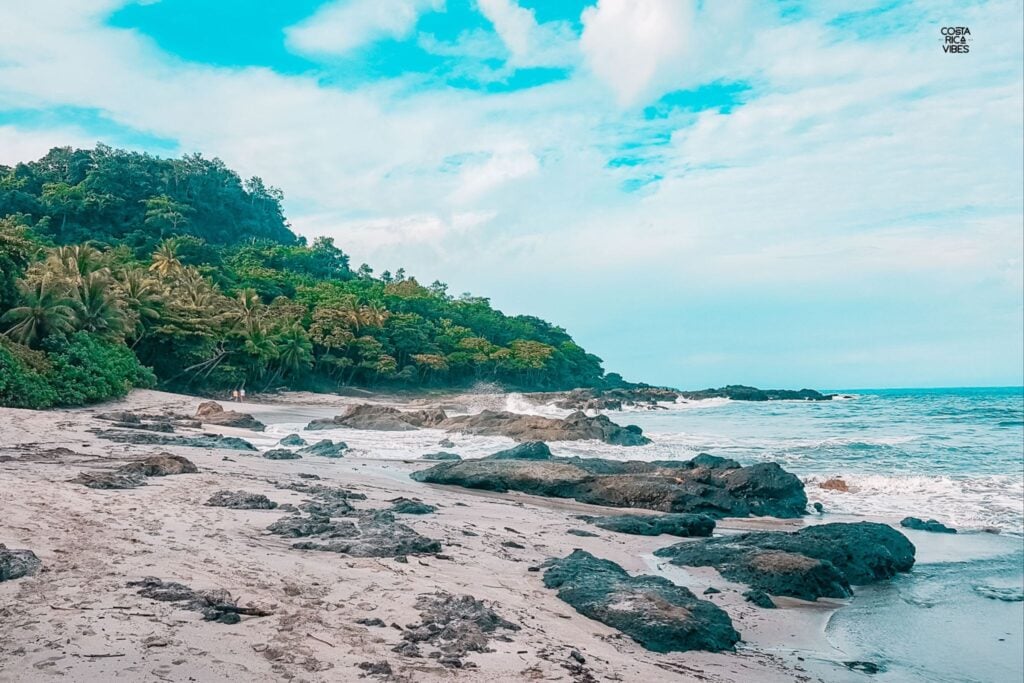
- The Nicoya peninsula, where Montezuma and Santa Teresa are located, is one of the five Blue Zones in the world. This means it is an area with an unusually high concentration of people living long, healthy lives.
- Costa Rica is consistently ranked among the happiest countries in the world. You will see it the moment you get here. Ticos are almost always smiling and enjoying life to the fullest.
- The official motto of Ticos is “Pura Vida.” This translates to “Pure Life.” Costa Ricans take this motto seriously and generally stay relaxed about most things in life.
- The official language is Spanish. A large percentage of citizens speak at least some English, thanks to the country’s long relationship with tourism.
- Costa Rica has one of the highest literacy rates in Central America, hovering around 96%.
- Roman Catholicism remains the largest religion in the country, though a growing share of Ticos identify as Protestant or with no religion at all.
- Less than 2% of the population identifies as Indigenous, but eight distinct Indigenous groups still call Costa Rica home, including the Bribri, Cabécar, Boruca, and Maleku, mostly living in reserves in the southern and Caribbean regions.
Historical Facts

- Christopher Columbus arrived in Costa Rica on his fourth voyage in 1502. His visit was followed by many Spanish expeditions to the area, which eventually led to the first Spanish settlement.
- The country gained independence from Spain in 1821, and full independence from Mexico (which controlled the Central American countries at the time) in 1838.
- Costa Rica does not have a standing army. The army was abolished in 1948 and formally banned by the constitution in 1949, a decision that still shapes the country’s identity today.
- Bananas and coffee have historically been the country’s biggest exports, and Costa Rica remains one of the largest banana exporters in the world.
- Here is a fact that surprises most people: medical devices, things like catheters, needles, and orthopedic implants made in free trade zones near Cartago and Alajuela, have now overtaken agriculture as Costa Rica’s top export by far, making up close to half of everything the country ships abroad.
Costa Rica Travel Facts
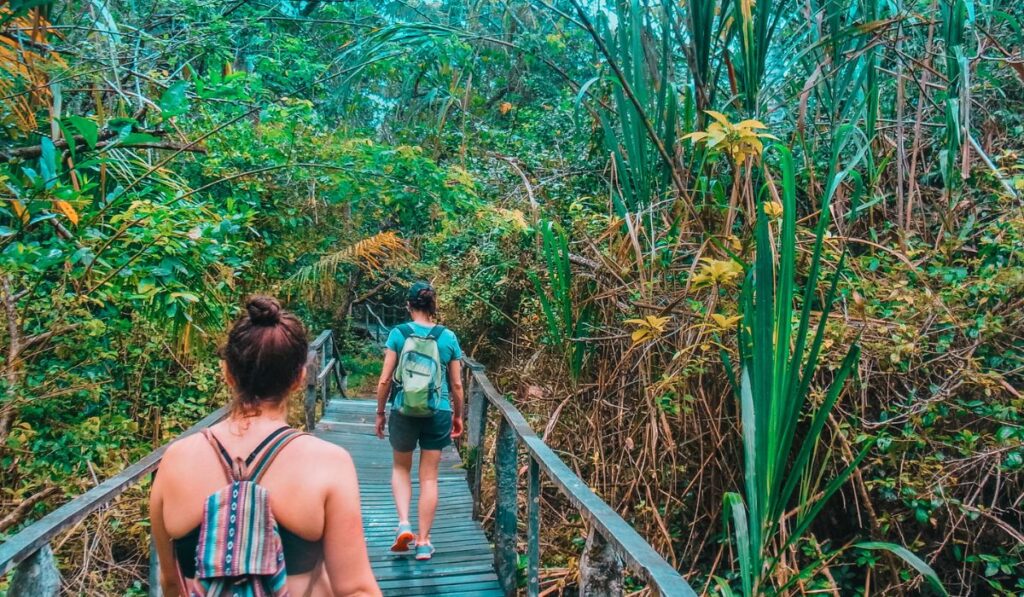
- Tourism is one of the leading industries in Costa Rica, employing hundreds of thousands of people directly and indirectly across hotels, tours, restaurants, and transportation.
- Costa Rica now welcomes close to three million international tourists a year, with the United States and Canada making up the largest share of visitors.
- The most popular time to visit the country is between December and the end of April, the dry season in most of the country.
- The main draw for most tourists is nature. Visitors come for the beaches, birdwatching, wildlife watching, and volcano viewing.
- Costa Rica is also a popular destination for medical and dental tourism. Care is affordable, and there are practices across the country that cater specifically to international patients, with English-speaking staff and modern facilities.
Ready to plan your Costa Rica trip like a pro?
🏨 Browse our hand-picked hotels: Search stays we actually recommend, with smart filters, clear locations, and plenty of free-cancellation options.
🏡 Find vacation rentals that make sense for your trip: From jungle villas with pools to laid-back beachfront homes.
🚗 Save 10% on your car rental: Plus free second driver, 0% deductible, and great service (this is who we use ourselves).
🚐 Compare shuttles & private transfers: Easy airport pickups and point-to-point rides anywhere in Costa Rica. Use code: SARAHMC5 at checkout.
✈️ Compare flights: We use Skyscanner to compare routes, prices, and flexible dates, especially helpful when flying into or out of Costa Rica’s different airports.
🛡️ Travel insurance: We always recommend traveling Costa Rica with insurance that covers medical care, trip interruptions, and adventure activities. It’s one of those things you hope you don’t need, but are very glad to have if plans change.
You might also be interested in:
- Costa Rica Language Guide: How Much Spanish Do You Actually Need to Get By?
- Pura Vida Meaning in Costa Rica: What It Represents and How to Use It
- Costa Rica Blue Zone: Why Nicoya Is One of the World’s Longest-Living Regions
- Costa Rica Volcanoes – Visit Up Close
- 15 Traditional Costa Rican Foods You Have to Try
Travel easier
Plan Smarter, Travel Easier
Before you go, here are the tools we use for every Costa Rica trip.
Need help planning? Try our free day-by-day trip planner, grab our 7-day itinerary for first-timers, or join our email list and we will walk you through it step by step.

Meet the writer
Sarah McArthur
Sarah is the co-founder and main writer of Costa Rica Vibes. Originally from the US, she has lived in San José, Costa Rica since 2016 with her husband Thomas, who takes the photos you see on this site.
Together they have been writing about Costa Rica since 2017, drawing on years of road trips, hotel stays and tours around the country. We personally vet everything before we publish it.
Follow along on Instagram · Pinterest · Substack
or join our email list for trip planning help.
Meet the writer
Sarah McArthur
Sarah is the co-founder and main writer of Costa Rica Vibes. Originally from the US, she has lived in San José, Costa Rica since 2016 with her husband Thomas, who takes the photos you see on this site.
Together they have been writing about Costa Rica since 2017, drawing on years of road trips, hotel stays and tours around the country. We personally vet everything before we publish it.
Follow along on Instagram · Pinterest · Substack
or join our email list for trip planning help.