
Costa Rica volcanoes
Costa Rica volcanoes: which ones to visit
Costa Rica has five active volcanoes and more than 50 dormant ones, and you can visit most of them without a hard hike. These are the ones we’d plan a day around.
Go early. Clouds tend to roll in by midday, and the dry season (January to April) gives the clearest views.
By Sarah & Thomas, calling Costa Rica home since 2016

5
active volcanoes
50+
dormant volcanoes
11,260 ft
Irazú, the highest volcano (3,432 m)
4 of 5
open to visitors
The active volcanoes
The five active volcanoes
All five are national parks, and four of them are open to visitors. Staying near San José? Start with Poás and Irazú. In La Fortuna, it’s Arenal. In Guanacaste, Rincón de la Vieja.
01

Alajuela
Poás Volcano
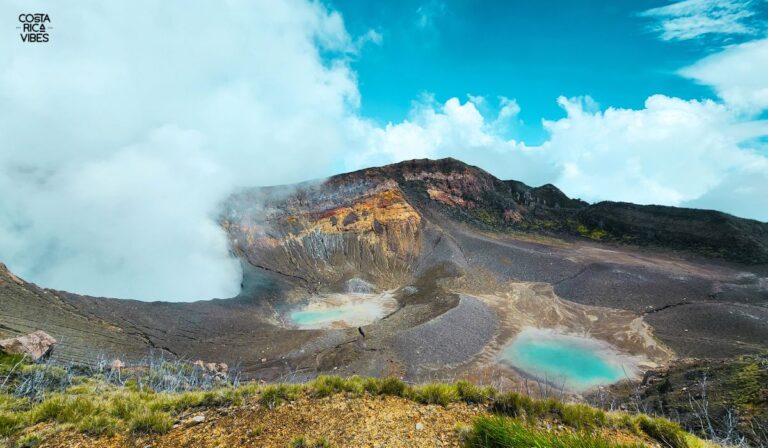
The most visited volcano in Costa Rica and our top pick for a crater lake. It’s less than an hour from the San José airport. After a few major eruptions, rules are stricter and you need to buy tickets ahead online.
02

Cartago
Irazú Volcano
The highest volcano in the country, and the one where you get closest to the crater. It’s right next to the parking lot, but the altitude can get to you, so take it slow.
03

La Fortuna
Arenal Volcano
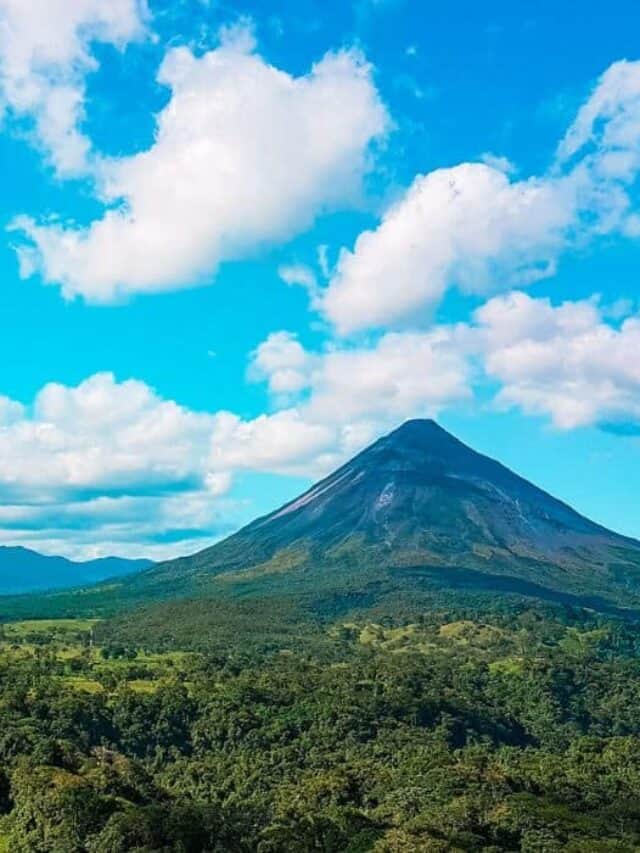
The volcano you picture when you think of a volcano. You can’t hike to the top, but you can walk the old lava field on the 1968 trail, or watch it from the hot springs.
04

Guanacaste
Rincón de la Vieja
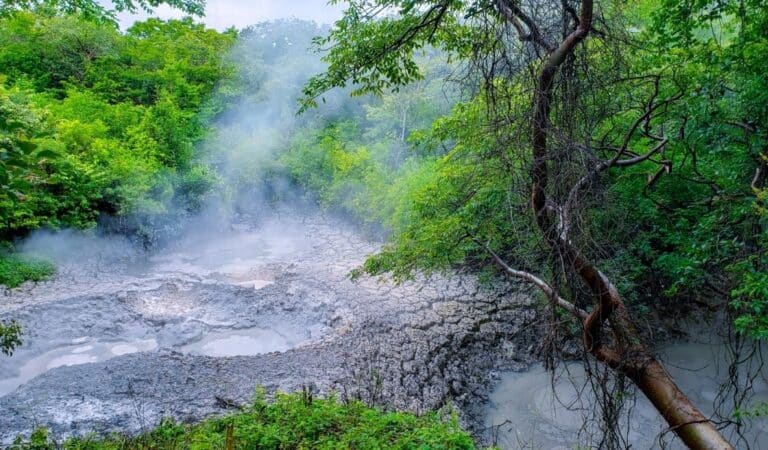
In the northwest, near the Nicaraguan border and a short drive from the Liberia airport. Come for the hot springs, hiking and horseback riding.
05

Cartago
Turrialba Volcano
Not open to visitors because of constant eruptions, but you can drive to the town and the park entrance and watch it erupt. Your clothes might get ashy.
+

Bonus
Volcano hot springs
The best part of a volcano is soaking in the water it heats. La Fortuna has the most choices, from budget to full luxury.
Is Costa Rica planning feeling overwhelming? Let us break it down for you.
Sign up for free, step by step guidance (plus your printable planning checklist right now) and we’ll tell you exactly what to do next, and when.
Volcano map
Where they all are
Costa Rica sits on the Ring of Fire, which is home to about 75% of the world’s volcanoes. That also means earthquakes, but most are very mild.
Dormant volcanoes
Dormant volcanoes worth knowing
Costa Rica has more than 50 dormant volcanoes. These are the ones you’ll hear about most.
Barva
Heredia, about 45 minutes from the airport. Quiet, and you need 4WD
Cerro Chato
Closed to visitors since 2017
Miravalles
A dormant volcano in Guanacaste
Free trip planner
Get a custom Costa Rica itinerary
Tell our planner your dates, airport and travel style. It picks the regions that fit, with hotels, tours and drive times for each stop.
Practical stuff
Volcano safety and tips
Check first
Look up the status
Craters close when there’s activity, so check the park’s status before you go. At Poás, rules have at times meant hard hats, going in a group and only about 20 minutes at the crater.
What to wear
Layers
It can be chilly at the top of Irazú even on a sunny day. Bring a warm layer.
Staying safe
Slow and steady
Take it slow at altitude and head down if you feel unwell. Park facing out so you can drive off quickly, and limit your time near gas and ash.
FAQ
Costa Rica volcano FAQ: your questions
How many active volcanoes are there in Costa Rica?
Five: Poás, Irazú, Rincón de la Vieja, Arenal and Turrialba. There are also more than 50 dormant volcanoes.
Can you visit active volcanoes in Costa Rica?
Yes, four of the five. Turrialba isn’t open to visitors because of constant eruptions, and access to the others can change when there’s activity, so check before you go.
What is the best volcano to visit in Costa Rica?
It depends on where you’re staying. Poás and Irazú are best from San José, Arenal is best from La Fortuna, and Rincón de la Vieja is best in Guanacaste.
Can you hike Arenal Volcano?
Not to the summit, because it’s active. You can hike the 1968 lava trail, and many people watch it from the nearby hot springs.
What is the highest volcano in Costa Rica?
Irazú, at 11,260 ft (3,432 m). The highest point in the country overall is Cerro Chirripó, which isn’t a volcano.
Are the volcanoes in Costa Rica safe to visit?
Yes, as long as you follow the park rules, check the current status and listen to the rangers.
Every volcano guide
All our volcano guides


Keep exploring
Keep exploring Costa Rica
Things to do
Our favorite activities across the country, from volcanoes to night tours.


Planning more of the region? See our full Costa Rica destinations guide.