
Nosara Weather: Best Time to Visit and Monthly Breakdown
Disclaimer: This article may contain affiliate links. We may earn a commission at no extra cost to you
The weather in Nosara plays a big role in planning the perfect vacation, especially if you’re hoping for sunny surf days or lush jungle adventures.
We live full-time in Costa Rica and visit Nosara often, so we’ve come to know exactly what to expect with the weather, and how it impacts everything from surfing and hiking to packing and transportation.
In this guide, we’ll break down:
- What Nosara’s weather is really like, month by month
- What to pack based on the season
- Safety tips you may not have thought of
- The best times to visit depending on your travel style
Let’s dive in!
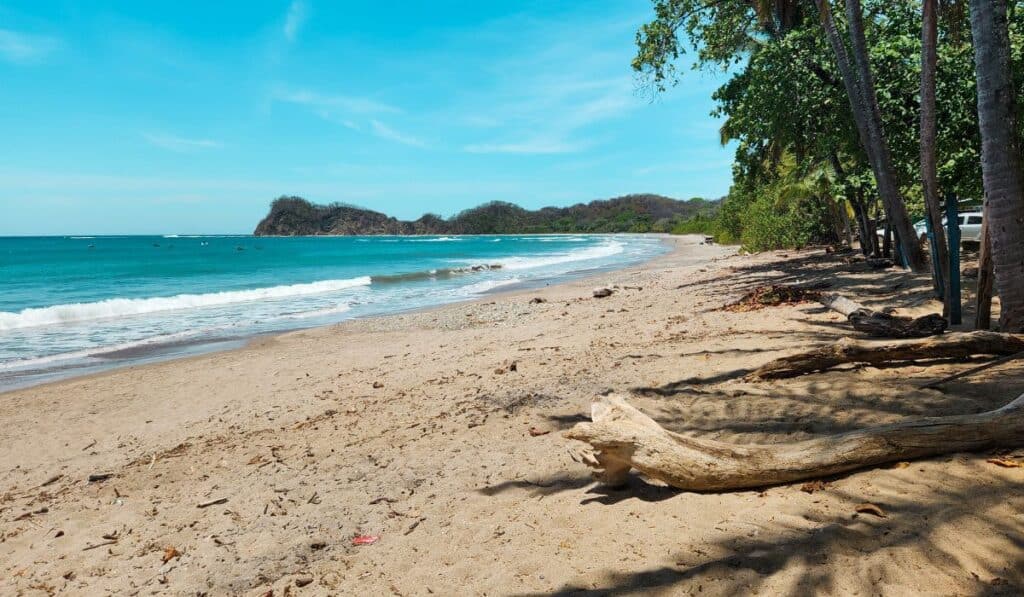
Nosara Weather at a Glance
- Dry season: December to April
- Rainy season: May to November
- Heaviest rainfall: September and October, with October often being the rainiest
- Hottest months: March and April, with average highs around 93°F (34°C)
- Coolest months: October and November, with average highs around 82°F (28°C)
- Humidity: Peaks during the rainy season, especially in September and October, with humidity levels often above 80%
- Average daytime highs: Range from 82°F to 93°F (28°C to 34°C) year-round
- Average nighttime lows: Typically between 70°F to 75°F (21°C to 24°C)
- Sunrise and sunset: The sun typically rises around 5:30 AM and sets around 5:30 PM throughout the year
The Forecast for the Next 7 Day Is….
NOSARA WEATHERNosara’s Dry Season (December to April)
Nosara’s dry season is an awesome time to visit. From December through April, you’ll get blue skies, low humidity, and golden afternoons perfect for surfing, beach walks, and jungle exploring.
Roads leading to Nosara can be busier. The roads here are somewhat narrow and there are very few routes in and out of town, so expect some traffic.
It’s also high season for tourism, so if you’re visiting during this window (especially around the holidays) book your stay and rental car well in advance. Keep in mind that this area has also really taken off in popularity in recent years.
- 10% Discount on your rental car with our favorite local company, Adobe
- Book your hotel with Booking.com for great cancellation
- Book your activities on Viator for secure payment and great cancellation policies
December
December marks the beginning of the dry season in Nosara. The weather is generally warm and dry, with the festive season bringing a lively atmosphere to the town.
- Weather: Average daytime temperatures reach 90°F (32°C), with evening temperatures around 70°F (21°C).
- Rainfall: Approximately 1.6 inches (4 cm), usually early in the month.
- Tourism: The number of visitors starts to rise as the holiday season begins, with many tourists arriving for Christmas and New Year celebrations.
- Ocean Conditions: The ocean is generally calm with warm temperatures around 82°F (28°C), making it perfect for surfing and swimming.
January
January is one of the driest and sunniest months in Nosara, making it an excellent time for beach activities and outdoor adventures.
- Weather: Average daytime highs are around 92°F (33°C), with nighttime lows around 71°F (22°C).
- Rainfall: Less than 0.5 inches (1.3 cm).
- Tourism: This is peak tourist season, with crowded beaches, full hotels, and a lively atmosphere in the town.
- Ocean Conditions: The ocean remains calm, ideal for water sports like paddleboarding and surfing, especially for beginners.
February
February continues with hot, dry weather and slightly warmer temperatures. The conditions remain perfect for outdoor activities.
- Weather: Daytime temperatures can reach up to 93°F (34°C), with evenings dropping to around 72°F (22°C).
- Rainfall: Minimal, around 0.3 inches (0.8 cm).
- Tourism: High levels of tourism continue, with many visitors enjoying the consistent weather.
- Ocean Conditions: The ocean is warm and excellent for surfing, with consistent waves.
March
March is typically the hottest month in Nosara, with temperatures frequently reaching the mid-90s°F. Despite the heat, the clear skies and warm weather make it a popular time for beachgoers and surfers.
By this time of year everything dries out a bit and the climate doesn’t have the lush green jungle look that we love.
- Weather: Daytime temperatures average 94°F (34°C), with nighttime temperatures around 73°F (23°C).
- Rainfall: Around 0.2 inches (0.5 cm), very rare showers.
- Humidity: Low, around 62%.
- Tourism: The area is bustling with activity, especially among surfers and sun-seekers.
April
April is the last month of the dry season, with temperatures peaking and the first signs of rain appearing towards the end of the month.
🌴 Planning a trip? Grab our FREE 30+ page Costa Rica Trip Kit
There are often a lot of international tourists over the week before and after Easter. Plus, many locals have the week before Easter off of work. Everyone flocks to the beaches and things get a bit crazy. Check out our guide to Easter in Costa Rica for all the details.
If you plan to visit this are over those two weeks, book as early as possible.
- Weather: Average daytime highs reach 95°F (35°C), with nighttime lows around 74°F (23°C).
- Rainfall: Rainfall begins to increase slightly, averaging 1 inch (2.5 cm).
- Humidity: Starts to rise, averaging around 68%.
- Tourism: Tourism begins to taper off slightly towards the end of the month as the rainy season approaches.
Nosara’s Rainy Season (May to November)
The rainy season in Nosara is characterized by frequent afternoon showers, lush green landscapes, and a significant drop in tourist numbers. Mornings are typically sunny and clear, while the afternoons bring heavy rains. As the season progresses, you may experience more days that are complete washouts.
Travel Essentials for Your Costa Rica Trip
Don’t let unplanned medical expenses or trip interruptions overshadow your dream Costa Rican vacation.
- 🚗 Save 10% on your car rental with Adobe Rent-A-Car: free second driver, 0% deductible, and top service.
- 🚐 Compare shared shuttles or private transfers: easy rides from airports to anywhere in the country.
- 🎟 Book your tours on Viator: secure payments, verified operators, and free cancellation.
- 💳 Protect your trip with Heymondo Insurance: covers flight delays, medical care, and lost luggage.
May
May marks the beginning of the rainy season in Nosara, with increasing rainfall and a noticeable drop in the number of tourists.
- Weather: Daytime temperatures average 89°F (32°C), with nighttime lows around 74°F (23°C).
- Rainfall: Increases significantly to around 4 inches (10 cm).
- Humidity: High, around 75%.
- Tourism: The town sees fewer tourists. It’s a good time for those seeking a quieter experience and lower prices.
- Ocean Conditions: The ocean can become rougher, with larger waves ideal for experienced surfers. Visibility for snorkeling and diving may decrease.
June
June brings regular afternoon rains, which help keep the vegetation lush and vibrant. Mornings are often sunny and pleasant.
- Weather: Daytime highs are around 88°F (31°C), with evening temperatures cooling to 73°F (23°C).
- Rainfall: Around 6 inches (15 cm) of rain, mostly in the afternoons.
- Humidity: High, around 78%.
- Tourism: June is a quieter month for tourism, offering a more peaceful and serene environment.
- Ocean Conditions: The waves are generally larger, providing great surfing conditions. Swimming can be challenging due to stronger currents.
July
July is known for the “veranillo” or “little summer,” a brief period during which the rains temporarily subside, providing a break in the rainy season. However, it’s hard to predict when (and if) this will actually occur. So, I don’t suggest planning your trip around this.
Also, keep in mind that most school in Costa Rica close for the month of July. There will be an increase in domestic tourism, so book early.
At this time of year, the road conditions in Nosara can get a bit worse. There are several roads that aren’t paved and some river crossings in the area. As the rain increases these can be difficult to pass without a 4×4.
- Weather: Average daytime temperatures are around 87°F (31°C), with nighttime lows near 73°F (23°C).
- Rainfall: Slightly lower at around 5 inches (12.7 cm).
- Humidity: High, around 77%.
August
August sees the return of heavier rains, with frequent and intense afternoon showers. The mornings remain warm and sunny, ideal for outdoor activities early in the day.
- Weather: Daytime temperatures average 86°F (30°C), with nighttime lows around 72°F (22°C).
- Rainfall: Increases to around 7 inches (18 cm).
- Humidity: Very high, around 80%.
- Tourism: Tourism remains low, making it a quieter and more relaxed time to visit.
- Ocean Conditions: The ocean becomes rougher, with larger waves and stronger currents, making it ideal for experienced surfers but challenging for swimmers.
- Traffic and Transportation: Roads can be more challenging to navigate due to the increased rain, especially in rural areas.
September
September is one of the wettest months in Nosara. Get ready for frequent, heavy rains that often extend into the night. Despite the frequent rain, the mornings usually offer clear skies, making it possible to enjoy some outdoor activities early in the day.
- Weather: Average daytime temperatures are around 84°F (29°C), with nighttime lows around 72°F (22°C).
- Rainfall: Peaks at around 9 inches (23 cm), making it one of the wettest months of the year.
- Humidity: Extremely high, around 83%.
- Tourism: This is the low season, with fewer tourists and a quieter atmosphere, which is ideal for those who prefer a more tranquil visit.
- Ocean Conditions: The ocean is rough, with strong currents and large waves, best suited for experienced surfers. Swimming can be challenging due to the conditions.
- Traffic and Transportation: Road conditions can be difficult due to the heavy rain, with increased chances of landslides and flooding in certain areas. It’s advisable to travel with caution and check local weather and road conditions.
October
October continues to be one of the rainiest months in Nosara, with the most consistent and heaviest rainfall of the year. This month is known for its intense downpours, which can cause flooding and make travel challenging.
- Weather: Daytime temperatures are around 83°F (28°C), with nighttime lows around 71°F (22°C).
- Rainfall: The highest of the year, averaging 10 inches (25.4 cm).
- Humidity: Very high, around 85%.
- Tourism: Tourism is at its lowest, making it a peaceful time to visit, though some attractions and services may have limited availability due to the weather.
- Ocean Conditions: The ocean remains rough, with large waves and strong currents, making it suitable primarily for advanced surfers.
- Traffic and Transportation: Travel can be challenging with frequent heavy rains. Some roads, particularly unpaved ones, may become impassable due to flooding or landslides.
November
November is a transitional month in Nosara, as the rainy season begins to wind down. The rains start to decrease in frequency and intensity towards the end of the month, signaling the approach of the dry season.
- Weather: Average daytime temperatures are around 84°F (29°C), with nighttime lows around 72°F (22°C).
- Rainfall: Decreases to around 6 inches (15.2 cm), though still substantial.
- Humidity: Remains high, around 83%.
- Tourism: Tourism starts to pick up slightly as the dry season approaches, but it remains relatively quiet.
- Ocean Conditions: The ocean conditions begin to improve as the month progresses, with waves becoming more manageable and safer for swimmers.
Packing for Nosara by Season
Year Round Essentials
- We suggest carrying your stuff in a large backpack instead of a suitcase if possible. The Osprey 55L is great if you are only bringing a carry-on (take the small bag part off for under your seat) and the Osprey 75L is our go-to for checking in a bag.
- Sun Bum Original SPF 50 Sunscreen: SPF 50 because the sun is powerful. We like Sun Bum because they are reef-safe.
- Teva Voya Flip Flops for men and for women: Waterproof and have a solid sole.
- Columbia Bora Bora Sun Hat: Slightly nerdy, but great for blocking the sun, folding up small in your luggage, and is made of breathable fabric.
- Sun Bum Cool Down Aloe Vera Lotion: Hopefully you don’t get sunburned, but if you do, this stuff is a lifesaver.
- Hero Microfiber Towel: Most hotels will have towels for showering, but not for the beach, Microfiber towels dry quickly and can easily fit in your luggage.
- Sun Bum Original SPF 50 Sunscreen: SPF 50 because the sun is powerful. We like Sun Bum because they are reef-safe.
- LifeStraw Go Water Filter Bottle: You can drink the water here, but it is safer to buy bottled water. We like LifeStraw to filter out any extra bacteria or impurities.
- Insect Repellent: Once the sun goes down the mosquitos come out in full force. It is worse during the rainy season, but you might experience them in the dry season as well.
Rainy Season Essentials
- The Anker Powerbox: A reliable battery pack to charge electronics if power goes out.
- Large Zip Lock Bags: Nothing ever dries in rainy season. Zip locks are great for seperating damp clothing in your luggage.
- Rain Jacket: I love the North Face Antora for women and the same jacket for men. Lightweight, breathable, efficient.
- Waterproof Backpack: We use ours year round because it is also great for the beach and boat trips, but especially good in rainy season for potentially wet adventures.
- Motion Sickness Pills: You might want these year round for navigating the crazy roads. However, they are especially helpful in teh rainy season if you plan to do a boat trip when waves can be bigger.
- Headlamp: Again, useful all year round since the sun sets by 6PM. Also great to have if the power goes out.
Safety Concerns by Season
- The sun is very powerful here. You really need to take sun protection seriously because it is so easy to get burned. I suggest wearing long sleeve swim shirts in the water, stay in the shade as much as possible, and wear SPF 50+.
- It is very easy to get dehydrated with the strong sun. Drink a lot of water and replenish your electrolytes when you can. Most stores sell Gatorade or Powerade, which I find really helps here.
- Because it is so hot you might find that you get worn out a lot quicker than you are used to on hikes and with other activities.
- During the rainy season, rip currents and big waves are more common. Be careful about where you are swimming and obey any posted signs.
- We suggest renting a 4×4 or at minimum an SUV with decent clearance for this area since some roads are unpaved. BOOK YOUR RENTAL CAR WITH 10% DISCOUNT
Our Opinion on Visiting Nosara
In recent years, Nosara has become such a popular destination. I find that it can be a little too crazy during the dry season because the infastructure just hasn’t caught up to demand.
For example, last year we were in Nosara in March. We went to the gas station and ended up waiting for over 30 minutes in line to fill up our gas tank.
Check out our complete guide to Nosara for more info
I think May through July is a great time to visit Nosara. The waves are big for surfing, there are fewer tourists, and prices go down a bit.
If you have any questions or need advice for your trip, don’t hesitate to reach out in the comments. We’re here to help!
Need More Help? We’ve Got You!
💬 Travel Facebook Group
Ask questions, get real-time travel tips, and learn from people currently exploring Costa Rica. Updated daily.
✉️ Free Travel Newsletter
Insider Costa Rica tips, planning reminders, discounts, and local updates, straight to your inbox.
✈️ Travel Planner
Prefer someone else to handle the details? Our favorite trusted planning partner can build & book your whole trip.
🦥 AI Trip Assistant
Let our Costa Rica AI helper (Slothy) suggest routes, hotels, packing tips, & must-dos, personalized to your trip.
🚗 10% Off Car Rentals
Use our exclusive discount with Costa Rica’s most trusted rental company. No hidden fees, no surprises, just great service.
🧭 Costa Rica Itinerary
Stress-free route planning! Download our ready-made itinerary for 7+ day trips from San Jose Airport.
You Might Also Like:
🌴 Plan Smarter, Travel Easier
Before you go, here are the tools we personally use for every Costa Rica trip:
🚗 Should I rent a car in Costa Rica?
Having your own car gives you the most flexibility to explore beaches, volcanoes, and waterfalls at your own pace.
- Save 10% Plus Other Perks with Our Adobe Rental Car Discount
- You might also consider; shared or private shuttle services
🏄🏽 How can I book tours and activities?
We love Viator for its wide selection, verified reviews, and free cancellation on most tours.
🍍 I’m overwhelmed with planning. Can you help?
No worries! We’ve got you! You can:
- 🌴 Join our Costa Rica Vibes Facebook Group to ask questions and get traveler tips.
- 🗺️ Visit our Start Here Page for planning guidance.
- 💼 Let our trusted Costa Rica travel planning partner take care of everything, from luxury transportation to boutique stays and private excursions. Learn more here →
- 🤖 Try Slothy, our free AI trip planner, for a personalized route with hotel and destination suggestions.
✈️ What is the best way to book a flight?
Use Skyscanner to compare flights into both San José (SJO) and Liberia (LIR).
🛏️ What is the best way to book my Costa Rica hotels?
We like Booking.com for hotel bookings and VRBO for private villas and vacation homes.
🗣️What is the main language in Costa Rica?
The main language in Costa Rica is Spanish. Most people working in tourism speak at least some English.
💰 What is the currency in Costa Rica?
The currency used in Costa Rica is the Costa Rican colón (CRC). However, the US dollar is widely accepted in most tourist areas
📞 What is the best way to stay connected?
An eSIM from Airalo is the easiest way to get instant 4G data when you land. No kiosk or SIM swap required.
🌴 Is Costa Rica safe?
Generally, Costa Rica is considered safe for tourists. However, like any travel destination, it’s best to use caution and be aware of your surroundings.
🛂 Do you need a passport to go to Costa Rica?
Yes, Costa Rica is its own country. You will need a passport to visit.

Hi! We’re Thomas (the German) and Sarah (the US-er)
We met in Virginia, moved to Germany, and since 2016 we have lived in sunny Costa Rica.
It was a spontaneous decision to move here, but it was the best decision!
Now we spend our days roaming the country to bring you the very best in Costa Rica travel here on Costa Rica Vibes.
Sarah is the writer. Thomas is the one keeping it all together.
Want the whole crazy story?

Sarah McArthur
Sarah McArthur is the co-founder and main writer of Costa Rica Vibes.
She is originally from the United States but has lived in sunny San Jose, Costa Rica since 2016.
She has traveled all over the country and now considers herself a self-proclaimed Costa Rica travel expert.
Read More About the Author