
Parque Nacional Los Quetzales: Everything You Need to Know Before Visiting
Disclaimer: This article may contain affiliate links. We may earn a commission at no extra cost to you
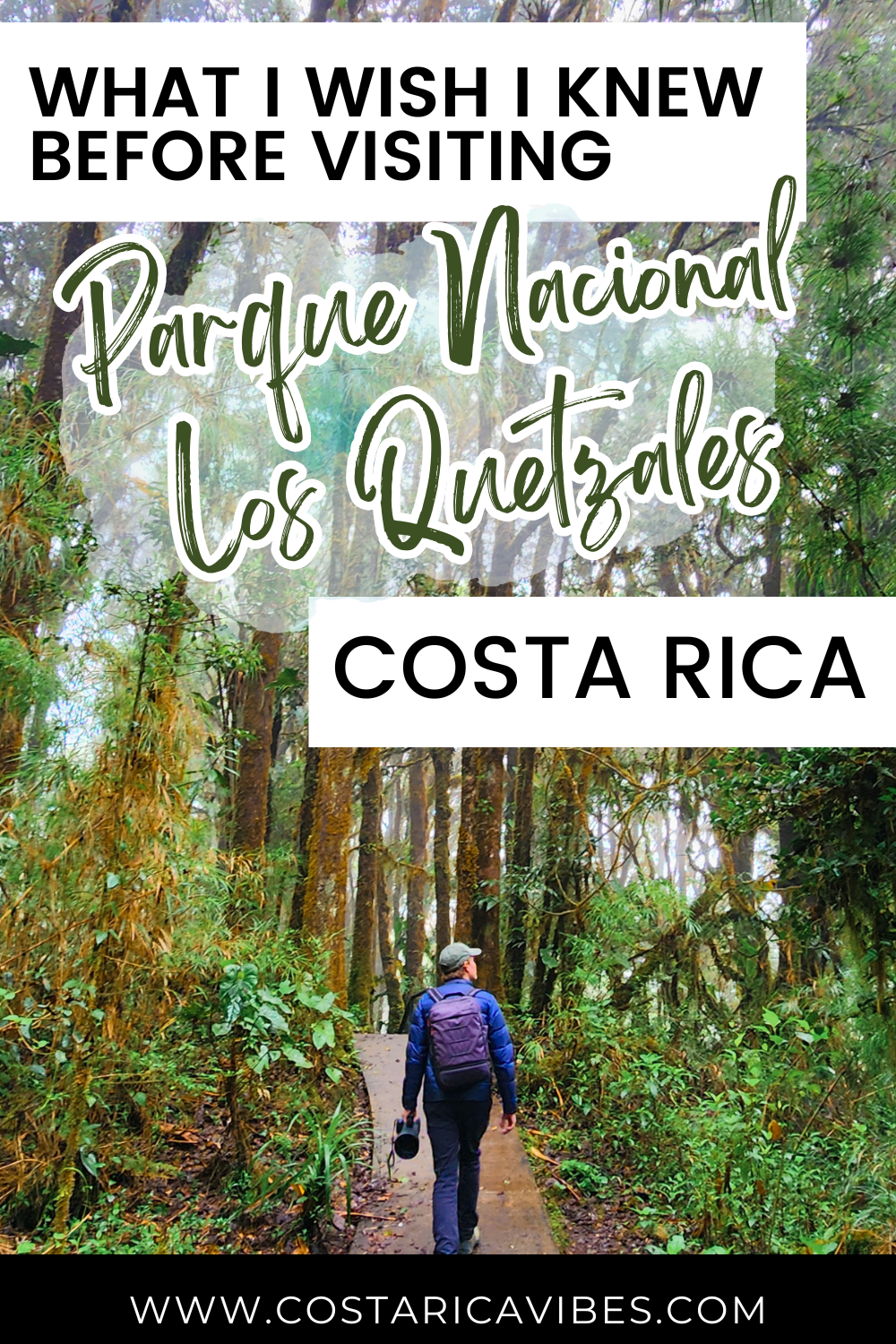
Looking for a peaceful cloud forest hike and possibly spot the bird on every bird watchers bucket list, the elusive Resplendent Quetzal? Quetzal National Park (Parque Nacional Los Quetzales) is the perfect off-the-beaten-path destination for nature lovers and birdwatchers.
We have visited the San Gerardo de Dota area many times throughout our years of living in Costa Rica, but it wasn’t until recently that we finally made it to the national park. And honestly, it was beautiful, but the logistics were kind of annoying (more on that below). Still, if you’re prepared, it’s absolutely worth it.
Here’s everything you need to know before you go!
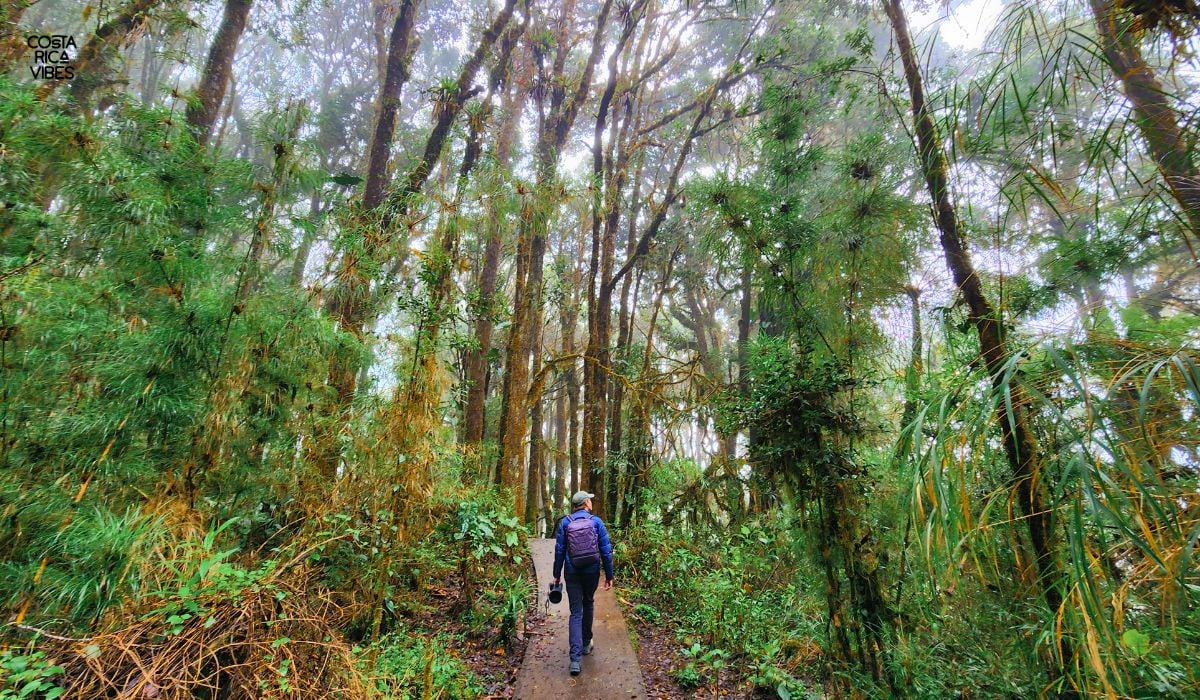
Quetzal National Park at a Glance
- Location: Cerro de la Muerte, about 2 hours south of San José
- Altitude: Ranges from 2,000 to 3,000 meters (6,600 to 9,800 ft)
- Known for: Cloud forest hiking, birdwatching (especially the Resplendent Quetzal!)
- Main entrance: Just off Route 2 (Interamericana Highway)
- Closest town: San Gerardo de Dota
Must Know Info
Entrance Fee
- Foreign visitors: $10 USD
- Children: $5 USD
- Costa Rican nationals/residents: ₡1,000
- Children (6–12): ₡500
These are the prices as of May 2025 but they are subject to change
Ticket Booking
As of May 1st, 2025, all tickets must be pre-booked online through the SINAC website.
You can book your tickets here
Heads up: There is no cell service at the park entrance. We learned this the hard way and had to awkwardly ask the ranger for the Wi-Fi password to get our tickets. Definitely book before you go.
Opening Hours
Open daily from 8:00 AM to 4:00 PM
Last entry typically allowed around 2:00 PM
We suggest getting here in the morning though, for the most active wildlife.
Driving Directions
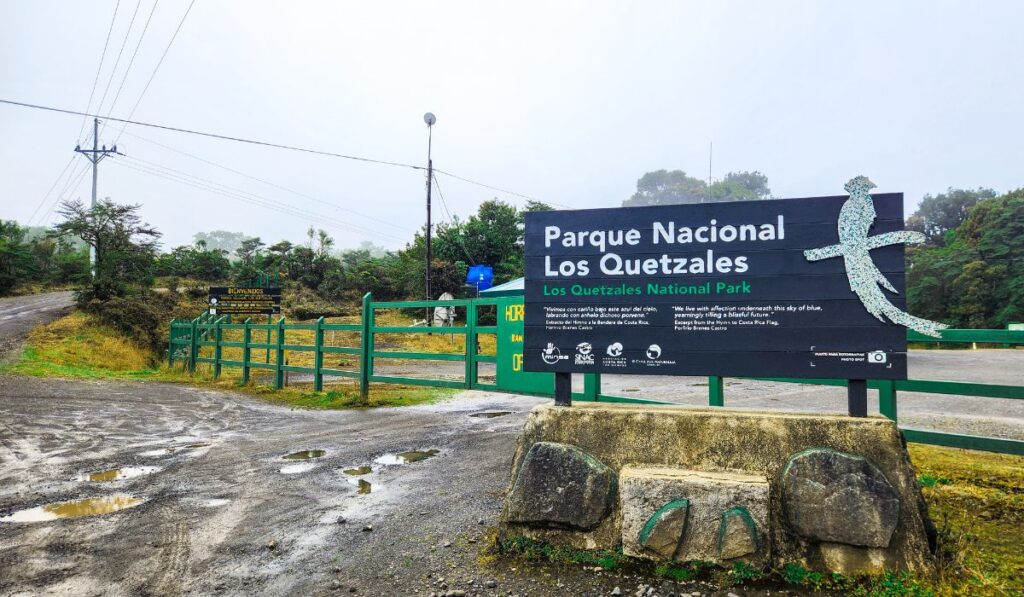
From San José, take Route 2 south (Carretera Interamericana). After about two hours, you’ll see a small sign for Parque Nacional Los Quetzales on the right. The entrance is just before the turn-off for San Gerardo de Dota if you’re heading south.
Planning a trip to Costa Rica? We’ll walk you through it step by step
Sign up now & get your free trip planning checklist instantly.
From the Pacific Coast (Uvita, Dominical, or Manuel Antonio), take Route 34 until you reach Route 243 heading inland toward San Isidro de El General. From there, continue on Route 2 north (Carretera Interamericana) toward San José. You’ll pass through Cerro de la Muerte, and the park entrance will be on your left shortly after the turnoff for San Gerardo de Dota.
You can find the location on Google Maps here
Parking is available for free at the entrance. There is a large lot with plenty of space.
Note: We suggest renting a 4×4 vehicle if visiting this area. Some of the roads are very steep and unpaved. To get to the national park you do not need a 4×4, but in the surrounding area it is a good idea. Book your rentral car with 10% discount here
We suggest not leaving anything of value in your car. The ranger station is located at the parking lot entrance, but I’m not sure how well they watch vehicles, and this park is just off the main highway, so it could potentially be an easy place to get your car broken into if it is filled with belongings. That being said, we have never heard of anyone being robbed here.
What to Wear
We suggest wearing a lot of layers and plenty of rain protection. When we were here it was very cold. I wore sneakers, sport leggings, a tank top, long sleeve shirt, flannel shirt, fleece, and rain jacket.
If you have waterproof shoes, definitely opt for wearing them.
What to Bring
- Rain jacket (it’s a cloud forest, expect mist or heavy rain)
- Waterproof backpack
- Snacks (no food sold on-site)
- Large full water bottle
- Bug spray
- SPF 50+ (the sun does peek through)
- Pocket Binoculars
- Camera or phone with zoom (for bird shots)
When to Visit
The most popular months to visit are January through March. This time of year is great for birdwatching and drier trails.
Note: Quetzal egg‑laying and incubation generally occur from late January through early April, with peak activity in March and April. This is the best time to spot the quetzals.
If you’re visiting during the rainy season (August–October), expect fewer crowds but muddier conditions and heavier cloud cover.
The Hiking Trails
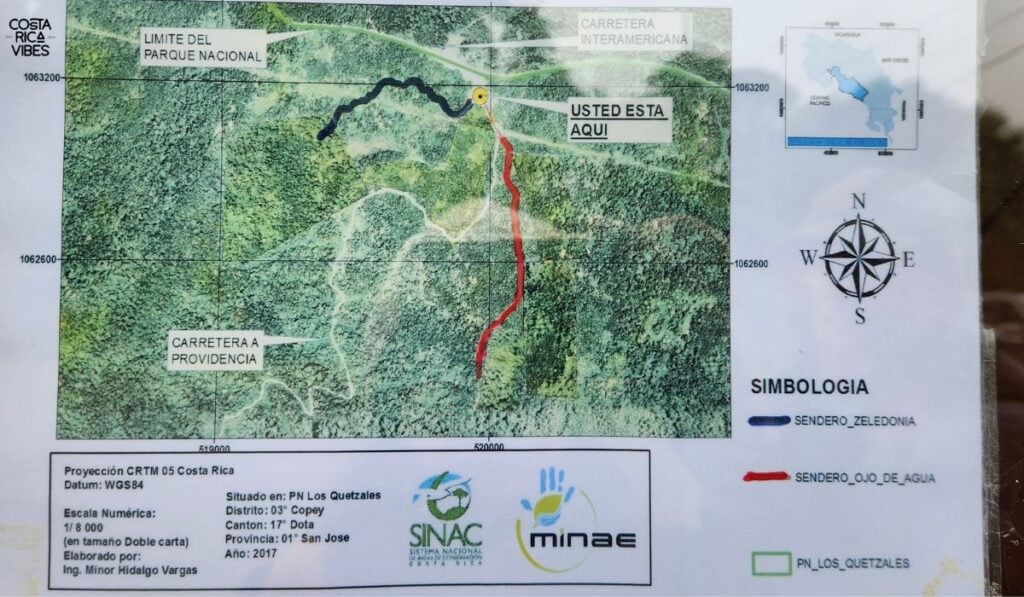
There are two marked trails in the park. These are:
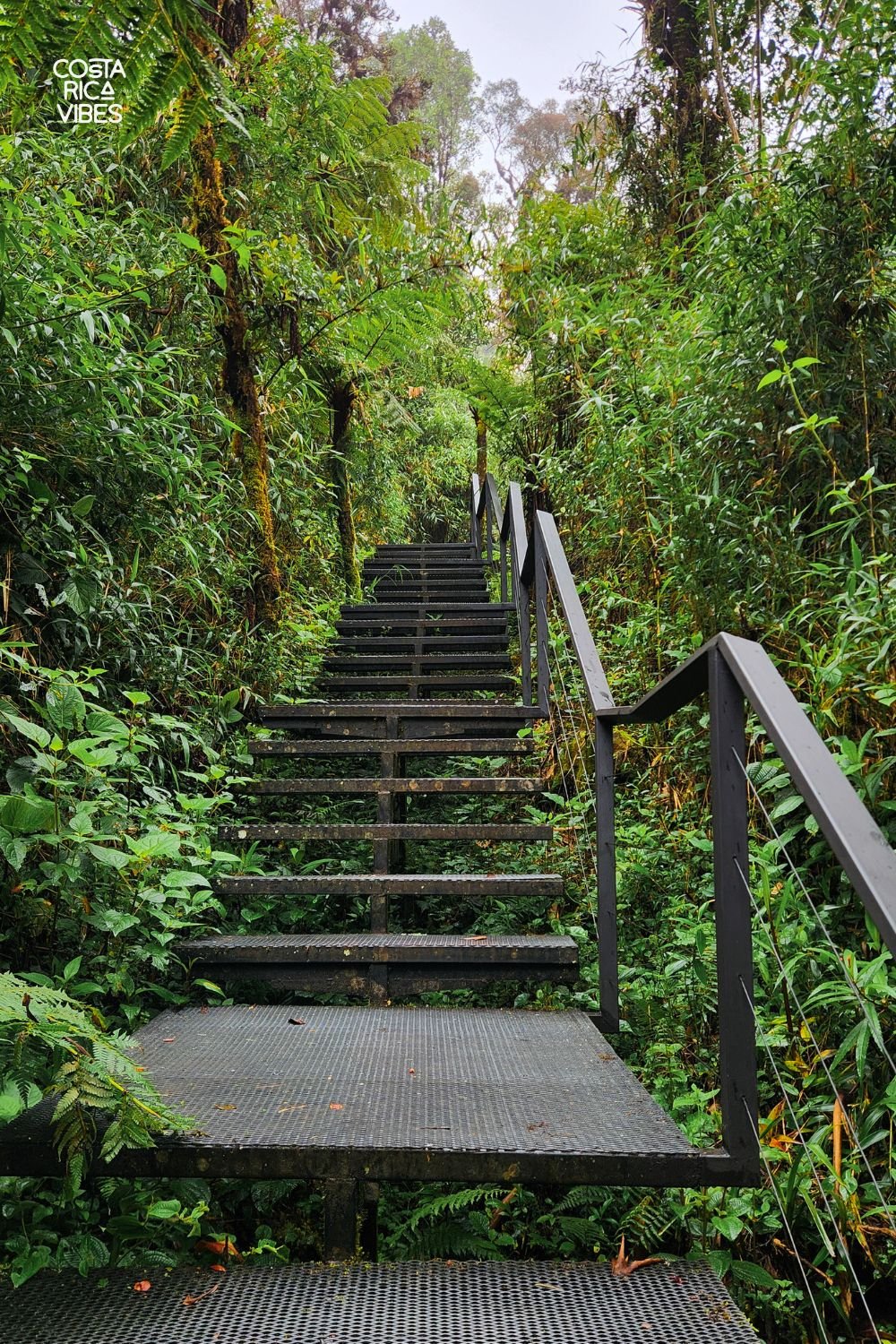
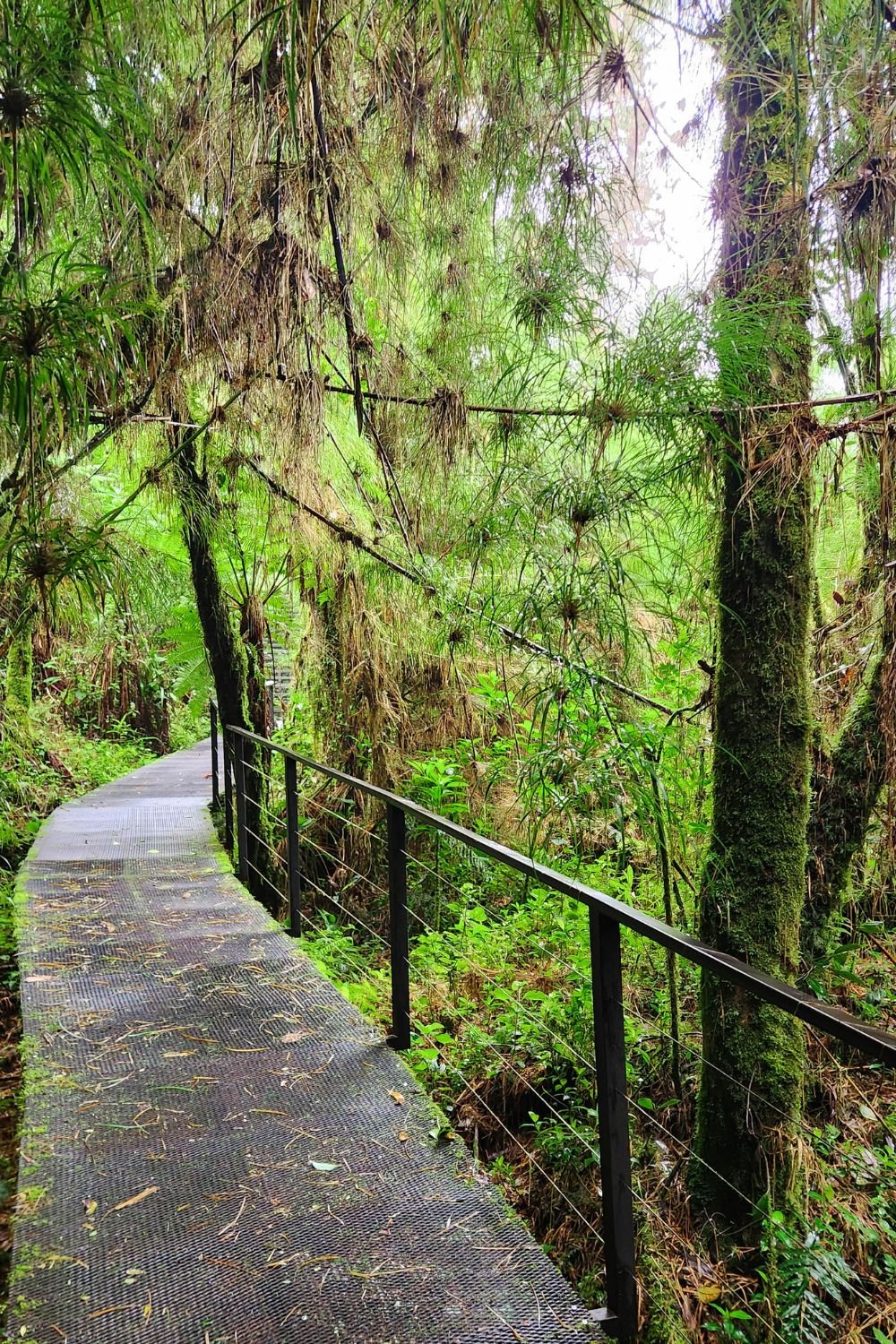
- Zeldonia Trail: Shorter and more accessible. This trail is mostly paved with better-maintained trails. It is a relatively easy trail, but there are a few hilly spots and stairs to climb. The trail has a distance of 1,312 feet (400 meters).
- Ojo de Agua Trail: Longer and more forested trail. This trail is not paved and can be very muddy since this area gets so much rain. The trail spans 1.25 miles (2 kilometers).
Both trails are linear. You just hike in and turn around when you reach the end.
Our Experience at the Park
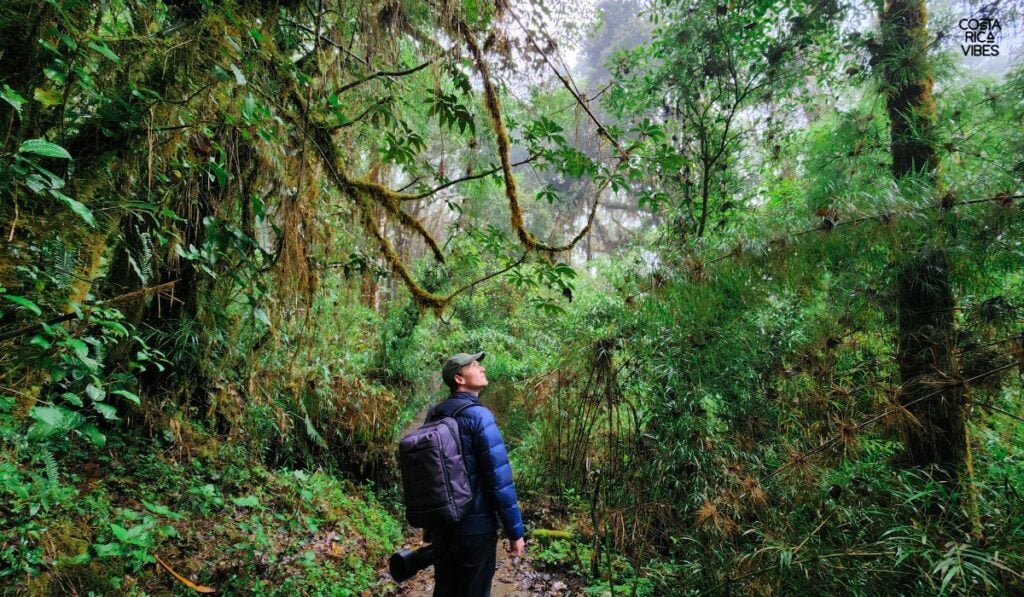
As I have mentioned, San Gerardo de Dota is one of those unique hidden gems in Costa Rica that I love to visit. Usually, we stay down in San Gerardo de Dota and hike the trails down in the valley rather than drive all the way back up to the main road to visit the national park.
But, the last time we were in the area we decided to finally check out the national park.
🐒 First time in CR? Avoid rookie mistakes—Download your Trip Kit
We showed up at 8 AM and tried to buy tickets. The national park employee informed us that as of May 1st 2025, all tickets now need to be purchased online. Which is so annoying. It’s not like it’s a super busy national park like Manuel Antonio, in which they need to make sure there aren’t too many people. There was literally nobody else there.
To add to that, there is no cell phone service here, so we couldn’t even buy tickets. We ended up having to ask the park attendant if he could share the WIFI password with us so we could purchase tickets online.
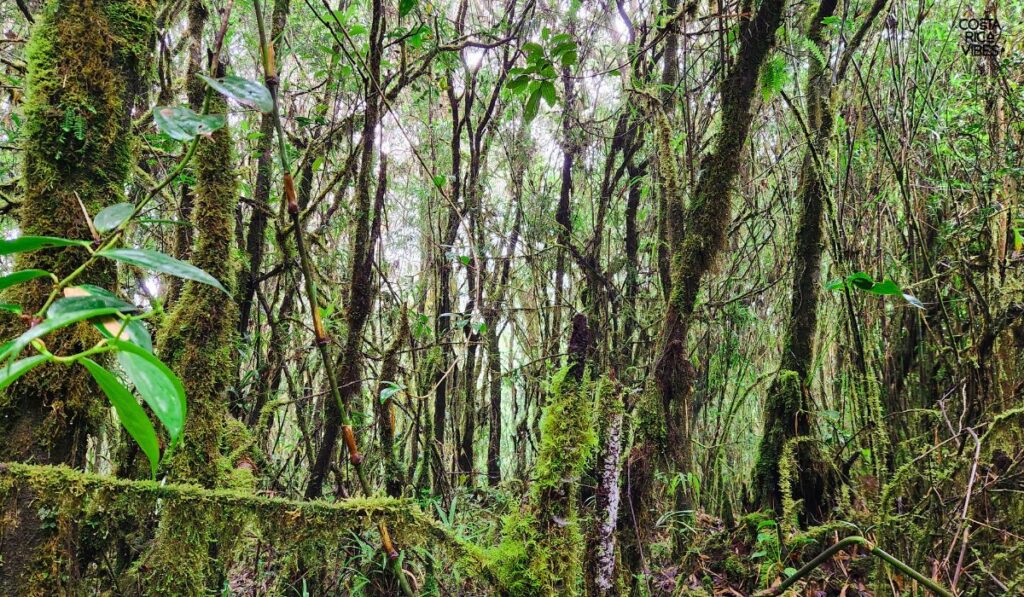
Anyway, once we had our tickets, we started our hike along the Zeldonia Trail. I thought this trail was nice. We didn’t see many birds, but the lush cloud forest is such a unique backdrop so I still found it very interesting and enjoyable. I also thought this trail was very well maintained, including new stairs and boardwalks.
After hiking the Zeldonia Trail we took a little food and drinks break at our car and debated if we should hike the other trail. We decided, we were here so we might as well check it out.
The Ojo de Agua Trail is located across from the parking lot. This trail is wide, but unpaved. It kind of felt like we were just walking down a dirt road. I didn’t find this trail overly impressive.
I was hoping it would end with a viewpoint or something, but we just came to a point with caution tape and a sign that said the trail ended there. So we turned around and walked back.
Travel Essentials for Your Costa Rica Trip
Don’t let unplanned medical expenses or trip interruptions overshadow your dream Costa Rican vacation.
- 🚗 Save 10% on your car rental with Adobe Rent-A-Car: free second driver, 0% deductible, and top service.
- 🚐 Compare shared shuttles or private transfers: easy rides from airports to anywhere in the country.
- 🎟 Book your tours on Viator: secure payments, verified operators, and free cancellation.
- 💳 Protect your trip with Heymondo Insurance: covers flight delays, medical care, and lost luggage.
We did notice, though, that there were several spots along the Ojo de Agua trail that were matted down just slightly off the trail. I’m guessing that these spots are places that birdwatching guides know the quetzals hang out and often check during early morning tours. So, keep an eye out and check the trees around the matted down spots, maybe you’ll spot a quetzal.
Park Background
History
On January 16, 2006 Parque Nacional Los Quetzales became Costa Rica’s 28th national park. Before then, it was known as the Los Santos Forest Biological Reserve.
Upgrading to national park status wasn’t just a name change. It brought tougher protections under SINAC’s Central Pacific Conservation Area umbrella and opened up eco‑tourism opportunities for nearby mountain villages like Providencia and San Gerardo de Dota. We love that locals here now benefit directly from conservation, whether guiding bird‑watching tours or hosting travelers in cozy mountain cabins.
The park also knits together lands from the old Los Santos and Cerro Vueltas biological reserves, sheltering everything from seasonal glacial lagoons to the headwaters of the Savegre River. In total, the park spans 5,021 hectares.
Flora and Fauna
We didn’t see any wildife (besides birds) while we were here, but the park is known for being home to several animal species including:
- 45 species of mammals including: tapirs, mountain goats, monkeys, agoutis, squirrels, bats, rabbits, coatis, and raccoons
- 300 species of birds including: quetzals, hummingbirds, tanagers, guans, orioles, trogons, hawks, warblers, woodpeckers, and seedeaters.
- Amphibians including several endemic salamander species, frogs and toads
- Reptiles including basilisks, lizards and snakes
- A variety of insects including butterflies, drones, flies, bees and wasps
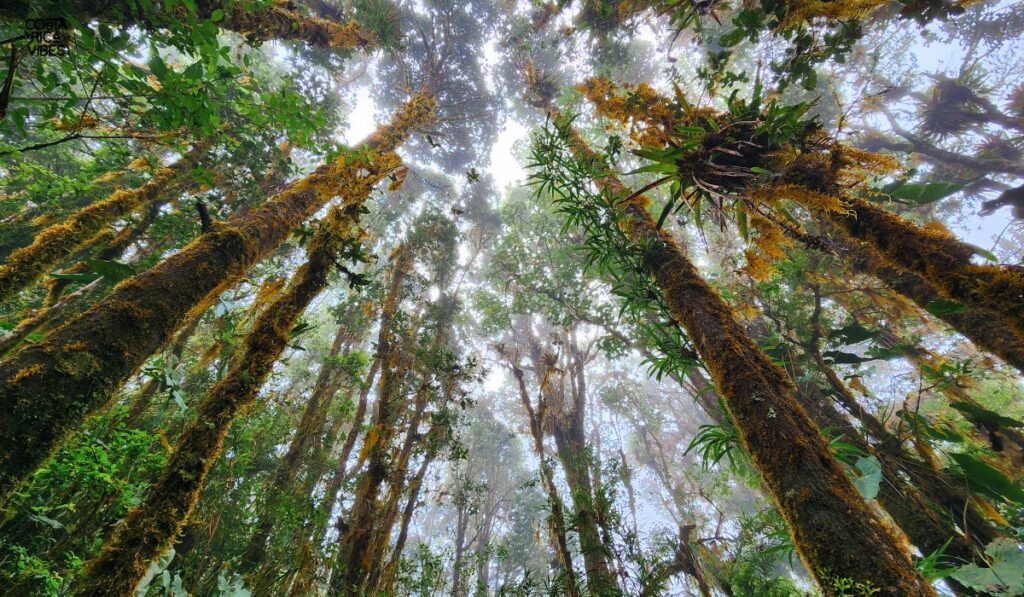
As far as plants, I’m always blown away by the mossy covered towering trees and general atmosphere in this area. It feels very other worldly.
Expect towering oaks, tirrás, guarumos, buríos, nance macho, cypresses, holm oak, magnolias, myrtles, muelo chilies, fig trees, etc.
Every branch is draped in orchids, ferns, mosses and bromeliads. Seven of those orchid species you’ll find nowhere else!
There are seven distinct altitude bands packed into this park. Los Quetzales really feels like a thousand different forests rolled into one.
What to Do After
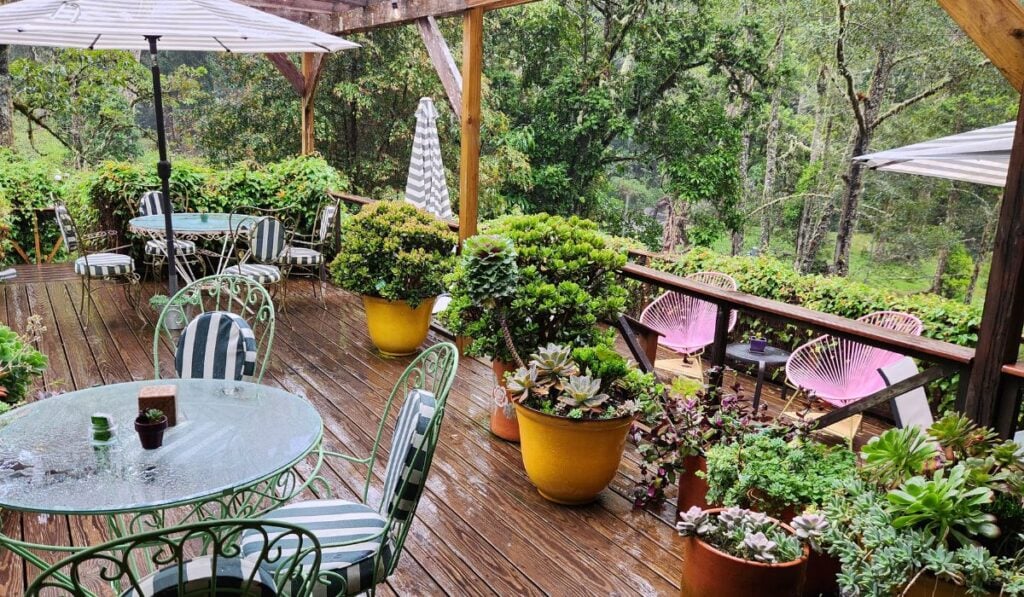
- Enjoy a Trout Lunch: If you are heading back into the town of San Gerardo de Dota we suggest going to Cafe Kahawa. I always go for the black bean soup with trout piecess. Its a 10/10, no notes, meal for me.
- Hike More Trails: In the town of San Gerardo there are several places to hike. One of my favorites is driving all the way to the end of town and hiking the waterfall trails. I marked it on Google Maps here.
- Check out the Batsu: Batsu is a beautiful botanical garden with nice pathways. It is a great peaceful stop.
Where to Stay Nearby
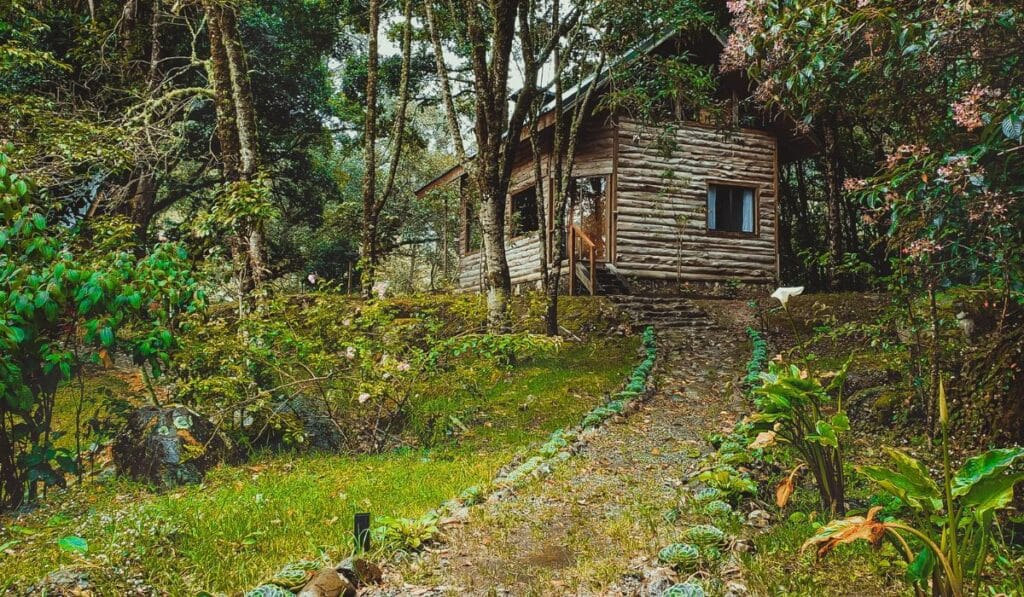
Our favorite hotels are:
In conclusion, the Parque Nacional Los Quetzales is a great place to visit for some nature hikes. However, if you are staying in San Gerardo de Dota you might instead opt for one of the other hikes in the area that doesn’t involve driving all the way back up to the main road.
If you have any questions, don’t hesitate to leave them in the comment section below. We are always happy to help you plan!
Find out more about the area in our complete San Gerardo de Dota guide
Need More Help? We’ve Got You!
💬 Travel Facebook Group
Ask questions, get real-time travel tips, and learn from people currently exploring Costa Rica. Updated daily.
✉️ Free Travel Newsletter
Insider Costa Rica tips, planning reminders, discounts, and local updates, straight to your inbox.
✈️ Travel Planner
Prefer someone else to handle the details? Our favorite trusted planning partner can build & book your whole trip.
🦥 AI Trip Assistant
Let our Costa Rica AI helper (Slothy) suggest routes, hotels, packing tips, & must-dos, personalized to your trip.
🚗 10% Off Car Rentals
Use our exclusive discount with Costa Rica’s most trusted rental company. No hidden fees, no surprises, just great service.
🧭 Costa Rica Itinerary
Stress-free route planning! Download our ready-made itinerary for 7+ day trips from San Jose Airport.
You Might Also Enjoy:
🌴 Plan Smarter, Travel Easier
Before you go, here are the tools we personally use for every Costa Rica trip:
🚗 Should I rent a car in Costa Rica?
Having your own car gives you the most flexibility to explore beaches, volcanoes, and waterfalls at your own pace.
- Save 10% Plus Other Perks with Our Adobe Rental Car Discount
- You might also consider; shared or private shuttle services
🏄🏽 How can I book tours and activities?
We love Viator for its wide selection, verified reviews, and free cancellation on most tours.
🍍 I’m overwhelmed with planning. Can you help?
No worries! We’ve got you! You can:
- 📧 Sign up for our email list (we walk you through the planning process step-by-step)
- 🗺️ Visit our Start Here Page for planning guidance.
- 💼 Check out our ready-made Costa Rica itinerary for the perfect one-week trip plan
- 🤖 Try Slothy, our free AI trip planner, for a personalized route with hotel and destination suggestions.
✈️ What is the best way to book a flight?
Use Skyscanner to compare flights into both San José (SJO) and Liberia (LIR).
🛏️ What is the best way to book my Costa Rica hotels?
We like Booking.com for hotel bookings and VRBO for private villas and vacation homes.
🗣️What is the main language in Costa Rica?
The main language in Costa Rica is Spanish. Most people working in tourism speak at least some English.
💰 What is the currency in Costa Rica?
The currency used in Costa Rica is the Costa Rican colón (CRC). However, the US dollar is widely accepted in most tourist areas
📞 What is the best way to stay connected?
An eSIM from Airalo is the easiest way to get instant 4G data when you land. No kiosk or SIM swap required.
🌴 Is Costa Rica safe?
Generally, Costa Rica is considered safe for tourists. However, like any travel destination, it’s best to use caution and be aware of your surroundings.
🛂 Do you need a passport to go to Costa Rica?
Yes, Costa Rica is its own country. You will need a passport to visit.
Hi! We’re Thomas (the German) and Sarah (the US-er)
We met in Virginia, moved to Germany, and since 2016 we have lived in sunny Costa Rica.
It was a spontaneous decision to move here, but it was the best decision!
Now we spend our days roaming the country to bring you the very best in Costa Rica travel here on Costa Rica Vibes.
Sarah is the writer. Thomas is the one keeping it all together.
Want the whole crazy story?

Sarah McArthur
Sarah McArthur is the co-founder and main writer of Costa Rica Vibes.
She is originally from the United States but has lived in sunny San Jose, Costa Rica since 2016.
She has traveled all over the country and now considers herself a self-proclaimed Costa Rica travel expert.
Read More About the Author