
Central Pacific travel guide
Costa Rica’s Central Pacific Coast: beaches, towns and things to do
The Central Pacific Coast is one of Costa Rica’s most accessible and wildlife-rich beach regions. It is located just a few hours from San Jose and is the perfect combo of lush rainforest, national parks, and lively beach towns.
This region is home to some of the country’s most famous attractions, including Manuel Antonio National Park.
By Sarah & Thomas, calling Costa Rica home since 2016
Best months
Late December to April, the dry season
Fly into
San José (SJO), 1.5 to 3 hours by car
Best for
Wildlife, surf and easy beach trips
Getting around
Rental car, shuttles or public bus
Don’t want to read all this?
Book your Central Pacific trip
Car rental
Flights
Travel insurance
Trip planner
Location
Where is the Central Pacific?
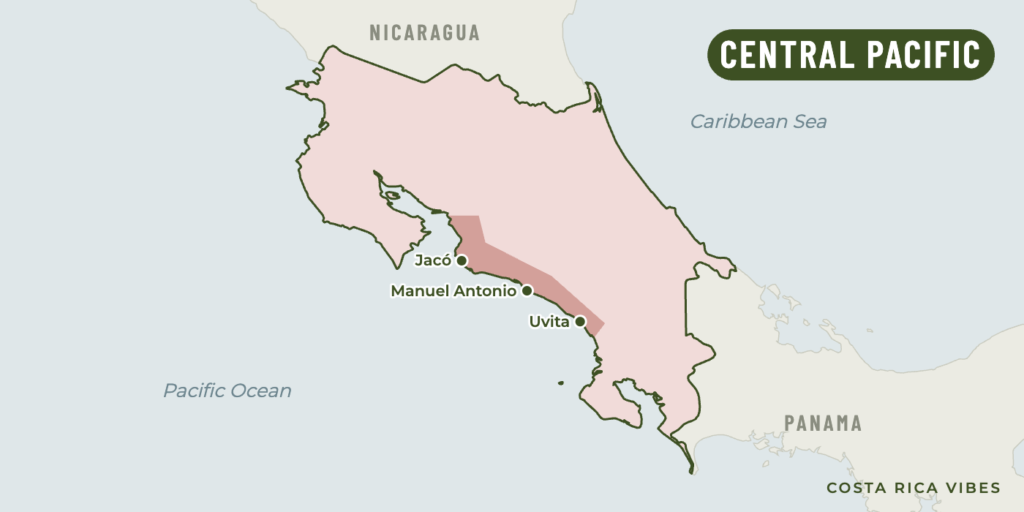
The Central Pacific Coast is located along Costa Rica’s mid-Pacific shoreline, southwest of San José. It begins roughly around Jacó and extends south to Quepos and Manuel Antonio.
This region is about a 1.5 to 3-hour drive from Juan Santamaría International Airport (SJO), making it one of the easiest beach destinations to access from the capital.
From the Central Pacific, you can reach
Towns
Towns on the Central Pacific and what each one is known for
Tap any town for our full guide.
Jaco
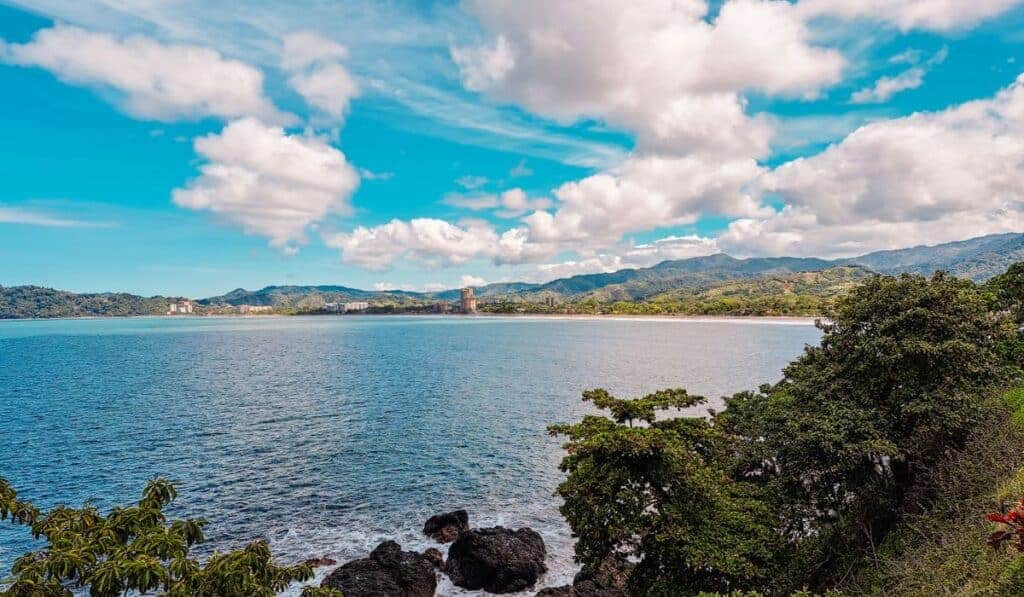
Jacó is one of the most popular beach destinations in Costa Rica, largely because it’s only about 1.5 hours from San José. It offers consistent surf, long beach walks, a wide range of restaurants, and the most active nightlife scene on the Central Pacific coast.
Best for: Easy access, nightlife, surfing

Manuel Antonio
Manuel Antonio is home to Manuel Antonio National Park, the most visited national park in Costa Rica. The area offers accessible hiking trails, abundant wildlife (think monkeys and sloths), and beautiful beaches.
Best for: Wildlife, national park access, first-time visitors
Herradura
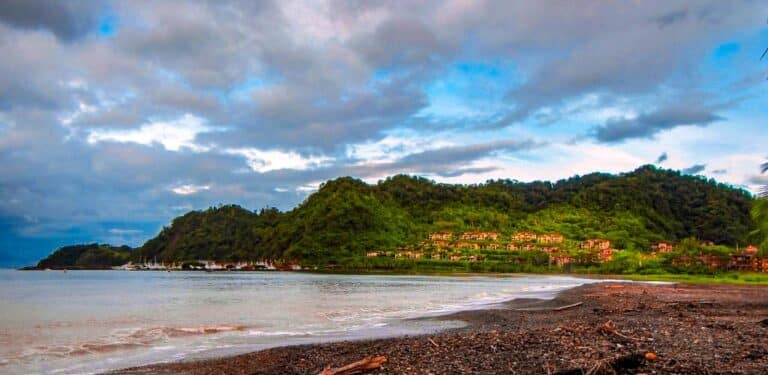
Herradura Bay is a small coastal area just north of Jacó, known for its upscale resorts and marina. It’s a good option if you want to be close to Jacó’s restaurants and tours but prefer a more peaceful and polished place to stay. Budget-friendly options are limited here.
Best for: Luxury resorts, marina access, quieter stays near Jacó

Playa Hermosa
Playa Hermosa is a strong surf beach just south of Jacó. It’s quieter and more residential. It’s a good fit if you want to surf or enjoy nature while still being close enough to Jacó for dining and activities.
Best for: Surfing, relaxed atmosphere, proximity to Jacó
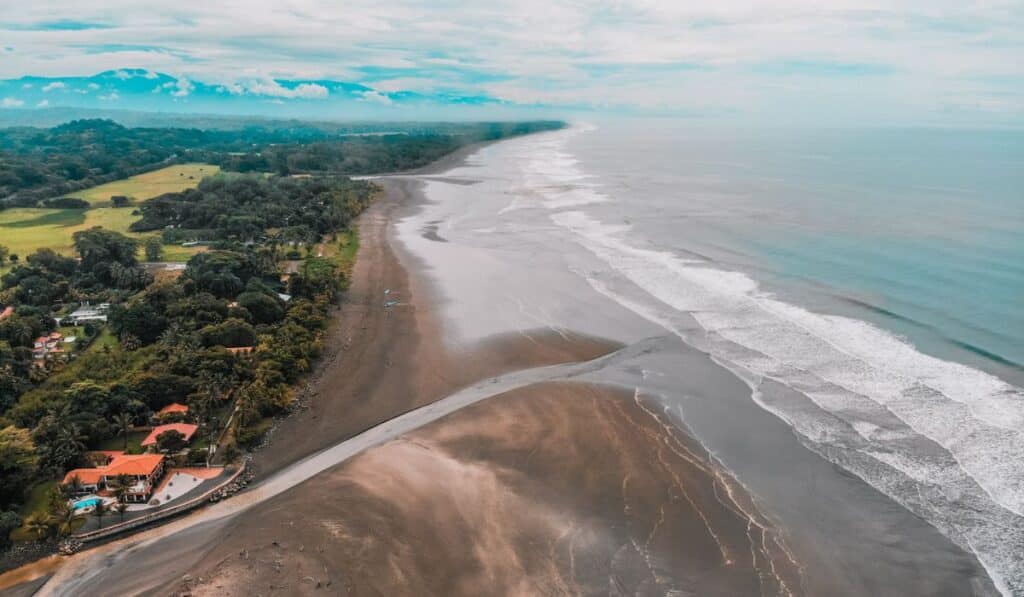
Esterillos
Esterillos is made up of three small beach communities (Esterillos Oeste, Esterillos Central, and Esterillos Este) all are connected by the coastal highway. These areas are much quieter than Jacó and offer long stretches of uncrowded beach.
Best for: Quiet beaches, uncrowded stays, residential vibe
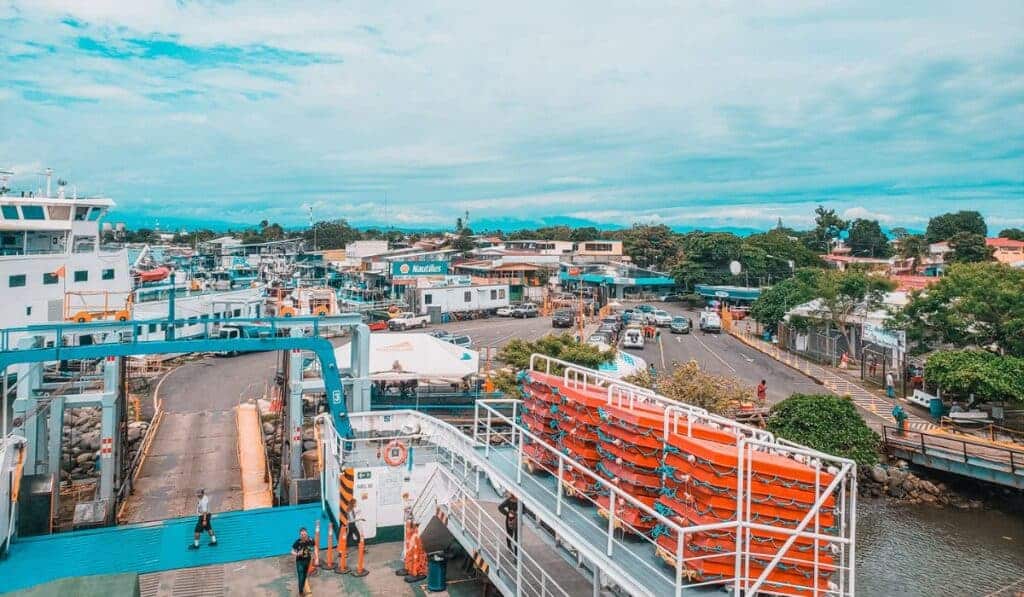
Puntarenas
Puntarenas is a small port city on the Central Pacific coast. It is the departure point for the ferry to the Nicoya Peninsula and home to the cruise terminal. It’s not typically a primary vacation destination.
Best for: Ferry access, local experience, stopover
Is Costa Rica planning feeling overwhelming? Let us break it down for you.
Sign up for free, step by step guidance (plus your printable planning checklist right now) and we’ll tell you exactly what to do next, and when.
Things to do
Things to do on the Central Pacific
This area is one of the most accessible and activity-packed regions in the country. With national parks, surf beaches, mangroves, and adventure tours all within a short drive of each other, it’s perfect for travelers who want variety without long travel days.
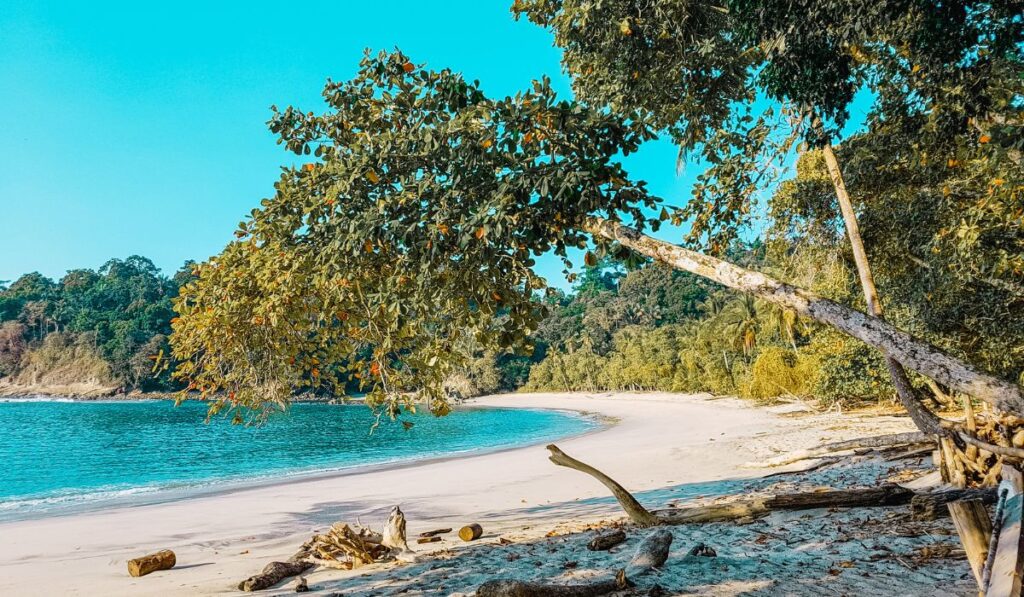
Explore Manuel Antonio National Park
Manuel Antonio National Park is the most visited national park in the country. The well-maintained trails lead to stunning beaches, and wildlife sightings are almost guaranteed. Expect monkeys, sloths, iguanas, and colorful birds, all within relatively easy walking distance.
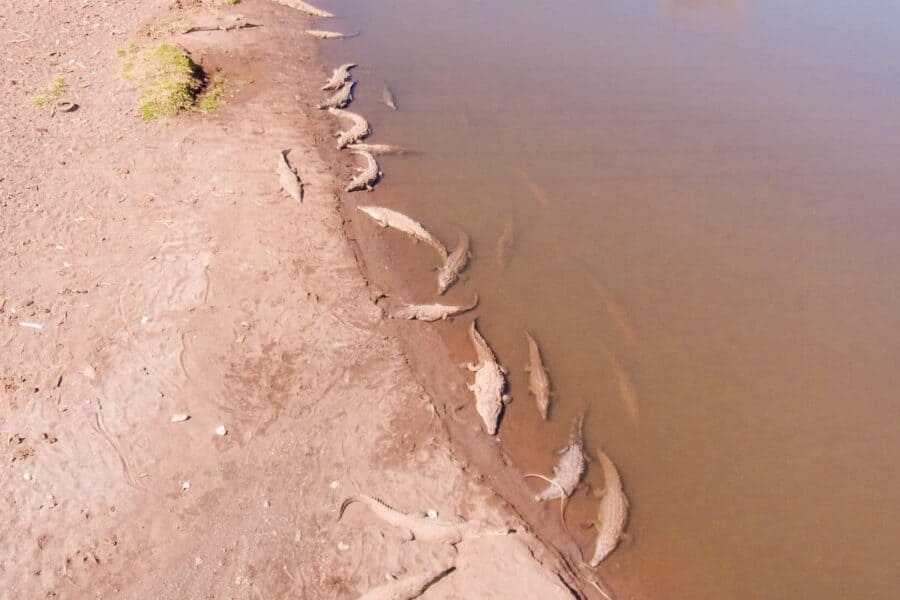
Spot wildlife in Carara and along the Tárcoles River
Carara National Park is famous for scarlet macaws and transitional rainforest ecosystems. Nearby, boat tours on the Tárcoles River offer close-up views of massive crocodiles and abundant birdlife.
Mangrove and estuary tours
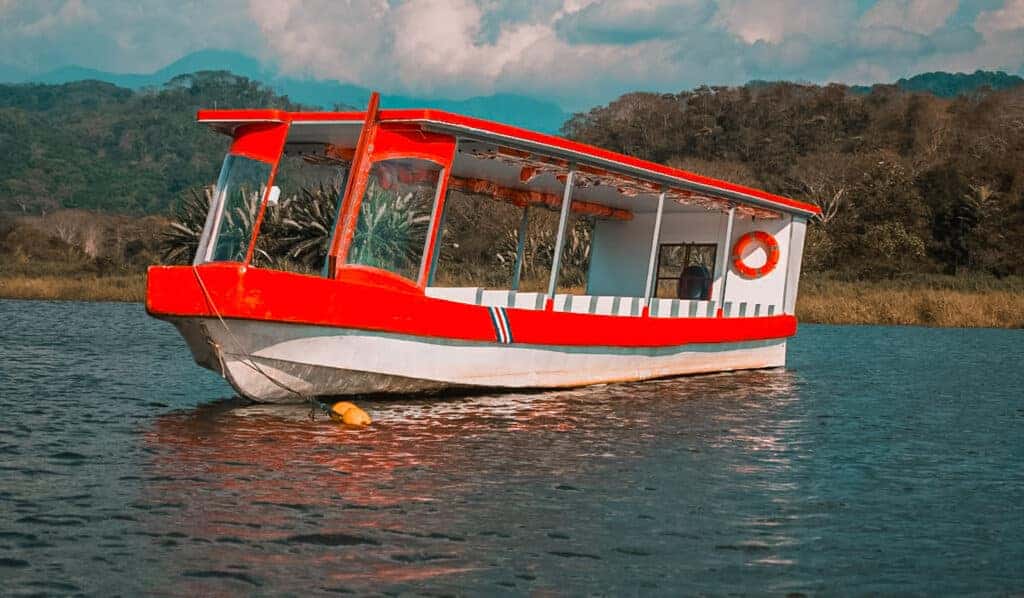
Take a guided boat tour through the mangroves of Damas Island near Quepos. These calm waterways are home to monkeys, birds, and reptiles.
Surf and beach time
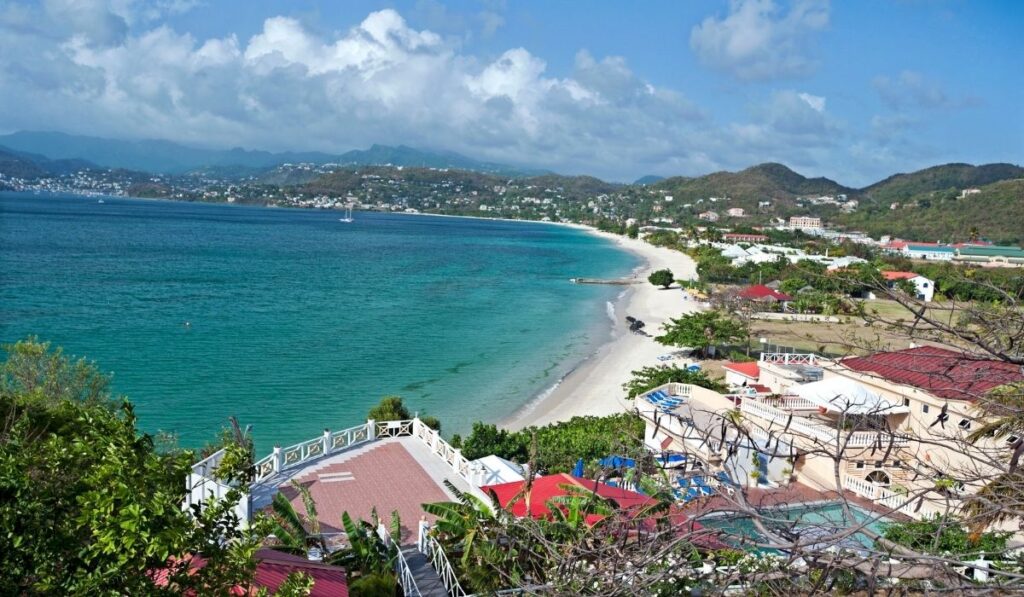
The Central Pacific offers beaches for every style:
Costa Rica’s Pacific coast is also the perfect place to enjoy epic sunset views each evening.
Adventure activities
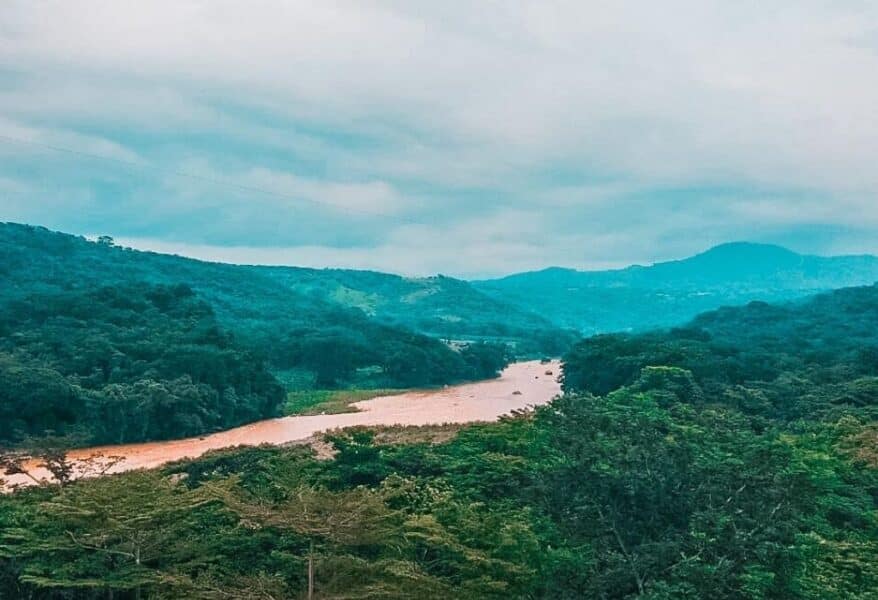
If you want adrenaline, this region delivers:
Because everything is close together, it’s easy to stack activities in one day.
Sport fishing and ocean tours
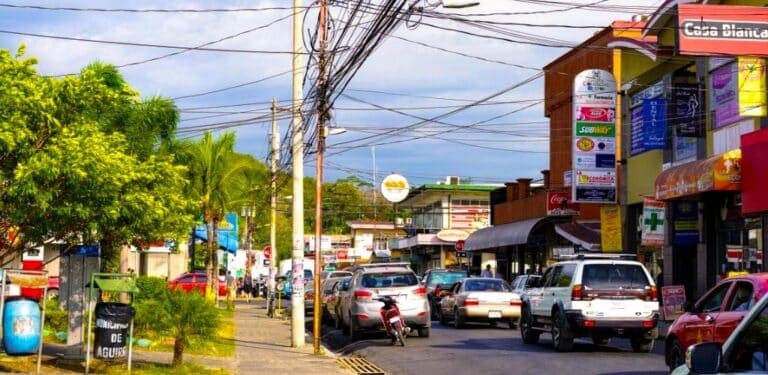
The waters off Quepos are world-famous for sport fishing. Charter boats regularly target marlin, sailfish, and tuna.
You can also book catamaran tours, snorkeling trips, or dolphin-watching cruises along the coast.

Day trips to Isla Tortuga
From Puntarenas or Jacó, you can take a boat tour to Isla Tortuga for white sand beaches and snorkeling on (usually) calm waters. It’s a full-day excursion and a fun way to mix up your itinerary.
Free trip planner
Get a custom Costa Rica itinerary
Tell our planner your dates, airport and travel style. It picks the regions that fit, with hotels, tours and drive times for each stop.
Weather
Best time to visit the Central Pacific
The Central Pacific Coast of Costa Rica experiences a clear dry and green season, but it is generally more humid and slightly wetter than Guanacaste (and not as rain-heavy as the far South Pacific).
Late December to April
Dry season
This is the busiest and most popular time to visit the region.
Expect:
May to August
Early green season
From May through August, rainfall increases but typically follows a predictable pattern.
You can expect:
Rarely will you experience full days of nonstop rain during this period, especially earlier in the green season.
September to October
Rainier months
September and October are generally the wettest months on the Central Pacific.
During this time:
November usually marks the transition back toward dry season conditions.
Temperatures and daylight
Daytime temperatures remain warm year-round, typically in the upper 80s°F (around 30°C), with evenings cooling slightly into the mid-60s°F (around 19°C).
Because Costa Rica lies close to the equator, sunrise and sunset times remain consistent year-round, with sunrise between 5:15 to 5:45am and sunset between 5:30 to 6:00pm.
Is it right for you?
Who the Central Pacific is best for
The Central Pacific Coast is great for
It may not be ideal for
Getting around
Getting to and around the Central Pacific
Most Flexible Option
Renting a car
We usually recommend renting a car for visiting the Central Pacific coast.
Why?
Most roads in this region are paved and well maintained, so a 4×4 is not usually necessary. However, an SUV can be helpful if you plan to explore smaller coastal roads or travel during the rainy season.
Driving from San José
The Central Pacific coast is one of the closest beach regions to San José.
The drive usually takes about:
The highway is modern and well maintained, but traffic can become heavy on Friday afternoons and Sunday evenings when locals travel to and from the beach.
Private or shared shuttles
If you prefer not to drive, private shuttles are a convenient option.
They are:
Budget Option
Public bus
Public buses run frequently between San José and Central Pacific destinations like Jacó and Quepos.
This is the most affordable way to travel, but buses take longer and schedules can be less flexible than driving. For budget travelers who don’t mind a bit of extra travel time, it can be a reliable option.
Important road considerations
Roads in the Central Pacific region are generally in good condition. However, traffic can be heavy during weekends, holidays, and peak travel periods.
It’s also important to remember that travel times can increase during rainy season when afternoon storms are common. Driving earlier in the day is often the most comfortable option.
FAQ
Central Pacific FAQ: your questions
Is the Central Pacific coast of Costa Rica safe to visit?
Yes, the Central Pacific coast is generally considered safe for tourists. Popular destinations like Manuel Antonio and Jacó are well-developed tourism areas with plenty of hotels, restaurants, and tour operators. As with anywhere in Costa Rica, it’s best to take basic precautions such as keeping an eye on belongings and avoiding isolated areas at night.
Do you need a rental car on the Central Pacific coast?
You don’t always need a rental car in the Central Pacific region. Many visitors stay near Manuel Antonio or Jacó and use taxis, tours, or shuttles to get around. However, renting a car provides more flexibility if you want to explore beaches, waterfalls, or nearby national parks at your own pace.
What is the Central Pacific coast of Costa Rica known for?
The Central Pacific coast is best known for wildlife, national parks, and easy access from San José. The region is home to Manuel Antonio National Park, one of the most visited parks in the country, where visitors often see sloths, monkeys, and tropical birds along jungle trails and beaches.
Is Jacó a good place to stay in Costa Rica?
Jacó is a popular beach town that offers surfing, nightlife, and a wide variety of restaurants and accommodations. It’s also one of the closest beach destinations to San José, making it convenient for short trips. However, travelers looking for quieter beaches and more wildlife often prefer staying near Manuel Antonio.
Is Manuel Antonio worth visiting?
Yes, Manuel Antonio is considered one of the top destinations in Costa Rica. Manuel Antonio National Park combines rainforest hiking trails with beautiful beaches and abundant wildlife. It’s one of the easiest places in the country to see monkeys, sloths, and other animals.
Keep exploring
You might also like visiting


None of those calling your name? See all Costa Rica destinations.