
Where is the Central Valley?
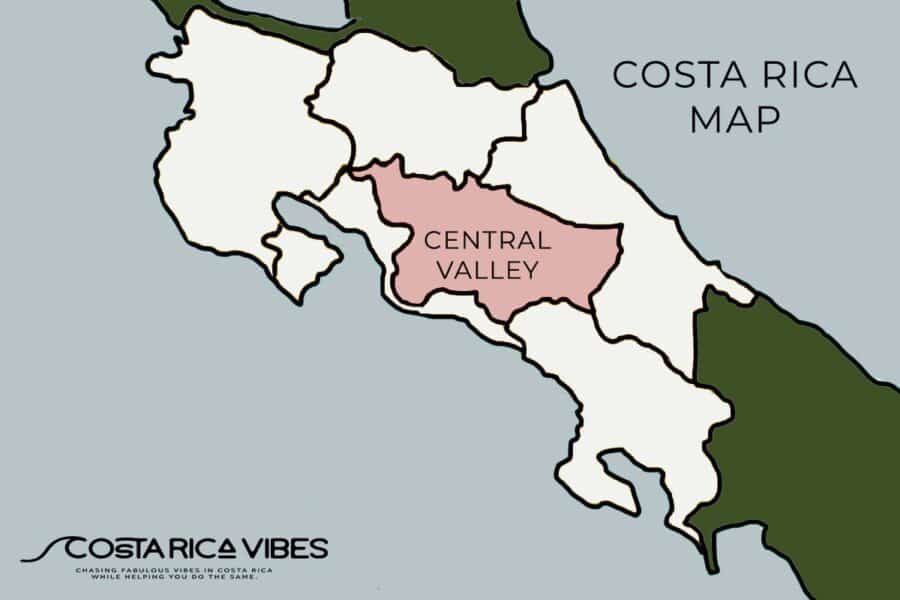
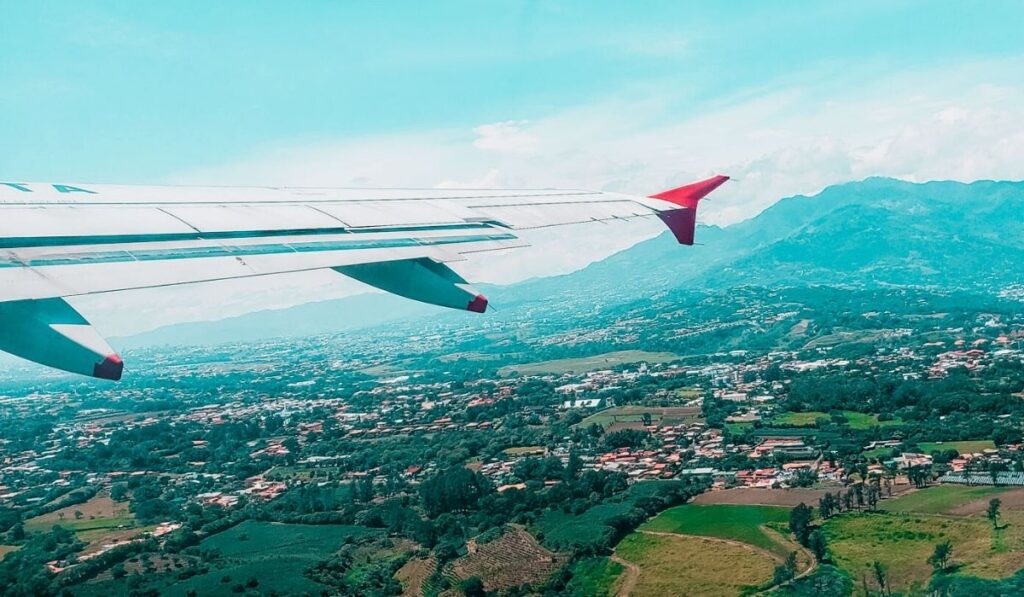
San José and the Central Valley are located in the center of Costa Rica, surrounded by mountains and volcanoes. This region includes the capital city of San José as well as nearby cities like Alajuela, Heredia, and Cartago.
Juan Santamaría International Airport (SJO) is located in Alajuela, about 20–30 minutes from downtown San José, so this the most common arrival point for international travelers.
From here, you can reach:
- The Central Pacific Coast in about 1.5–3 hours
- The Caribbean Coast in about 2.5–4 hours
- Guanacaste in about 4–5 hours
- The Nicoya Peninsula in 4–6 hours (depending on route)
The Central Valley Towns
‘Each town here has a completely different vibe




San Jose
Best for: Museums, restaurants, culture, urban base
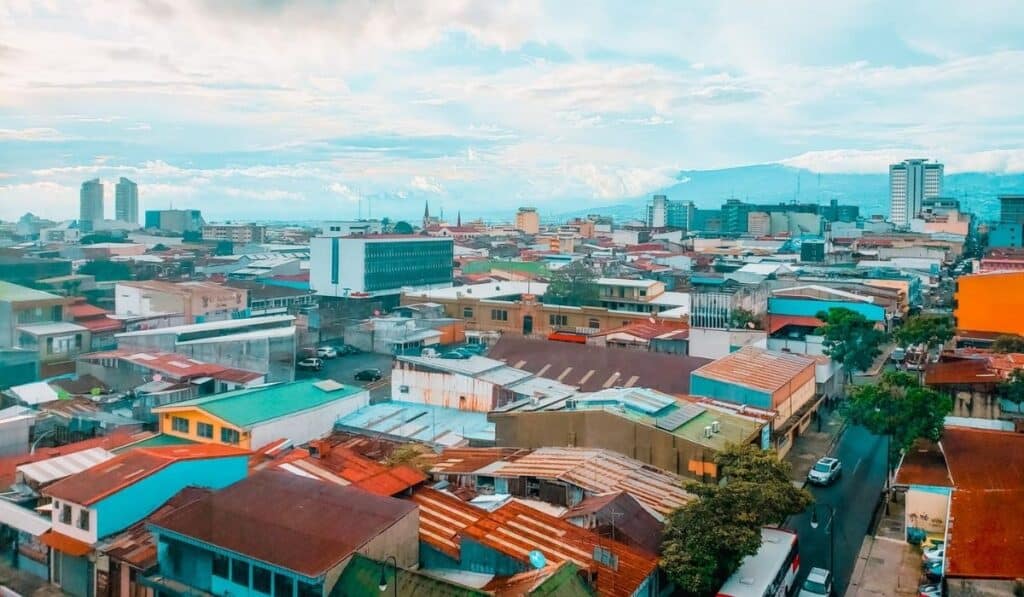
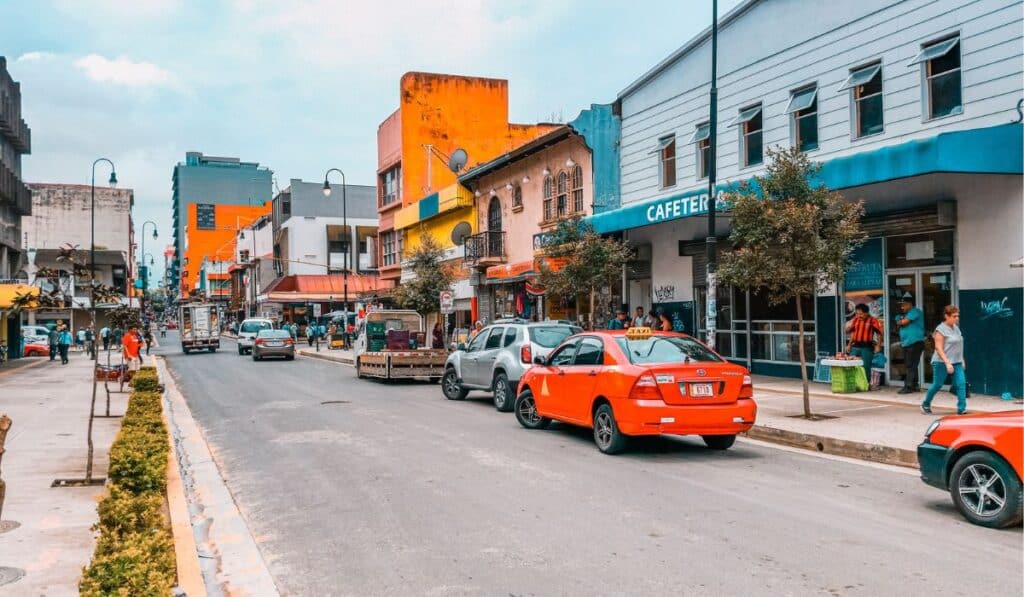
San José is Costa Rica’s capital and cultural center. It offers excellent restaurants, fascinating museums, historic architecture, and large green parks. If you have a day or two near the airport, you’ll find plenty to explore, from food tours to day trips into the surrounding mountains.
Alajuela
Best for: Airport convenience, coffee farms, volcano access
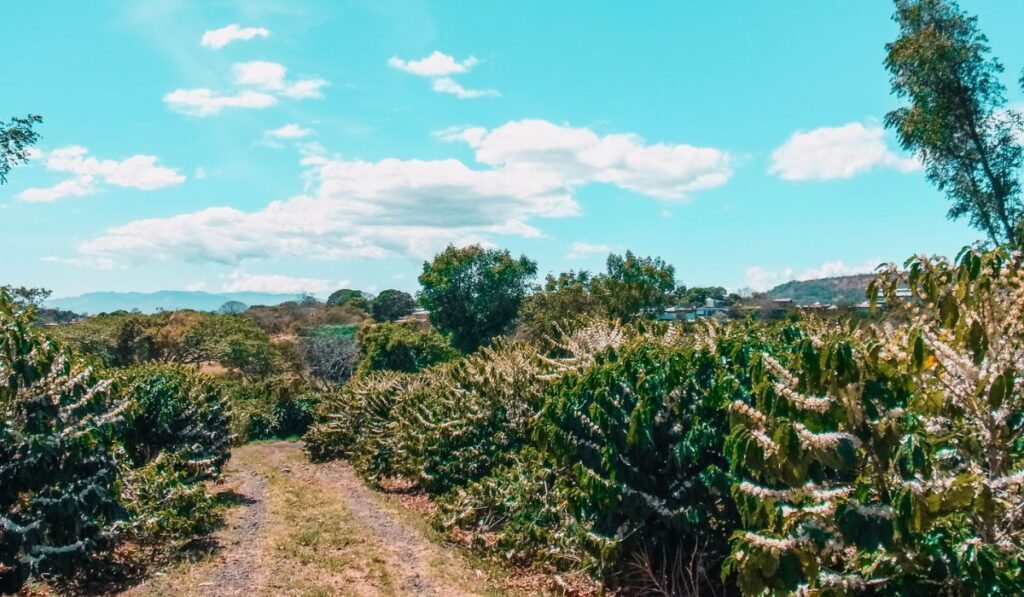
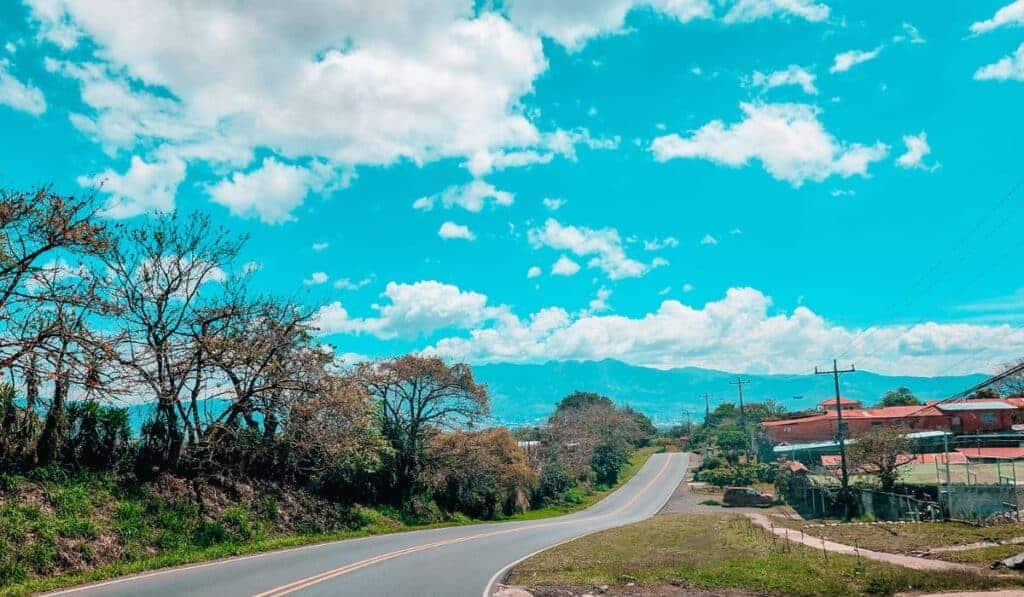
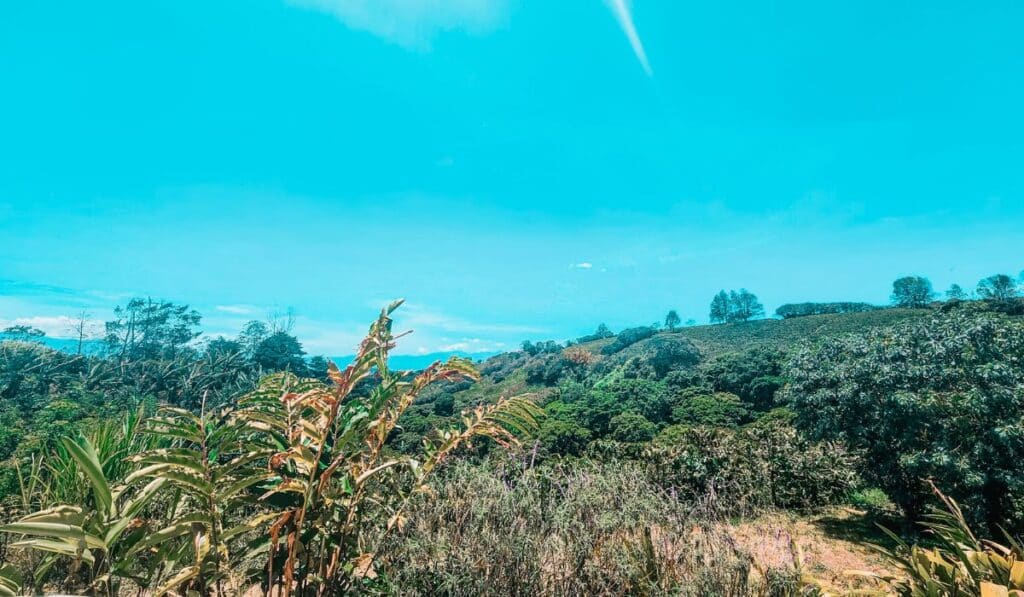
Alajuela is the city where Juan Santamaría International Airport (SJO) is located. The city itself isn’t usually a must-see destination but, the surrounding countryside is beautiful, with coffee farms, mountain views, and easy access to Poás Volcano.


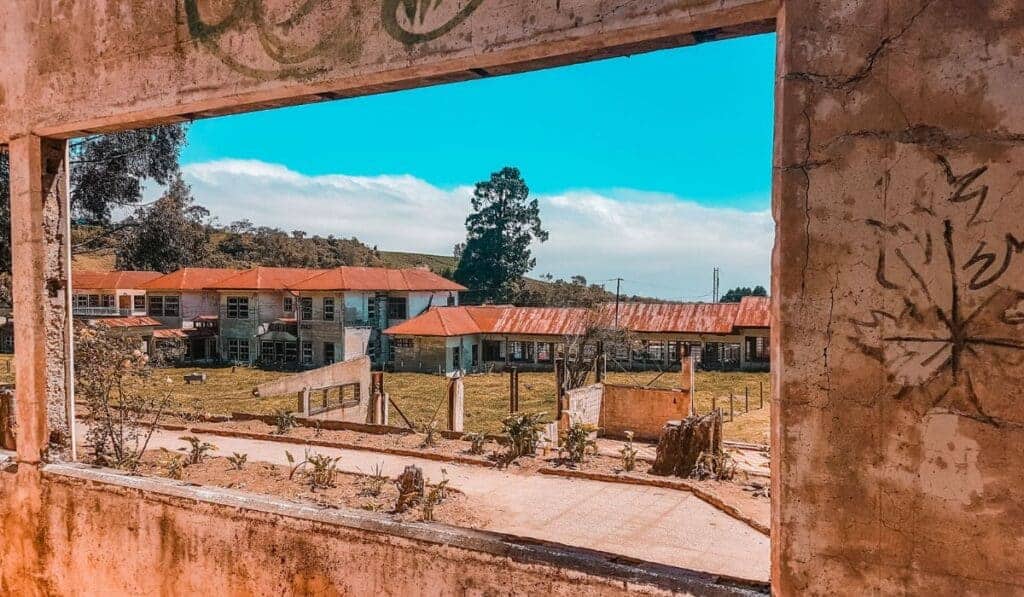
Cartago
Best for: History, volcano access, cooler weather
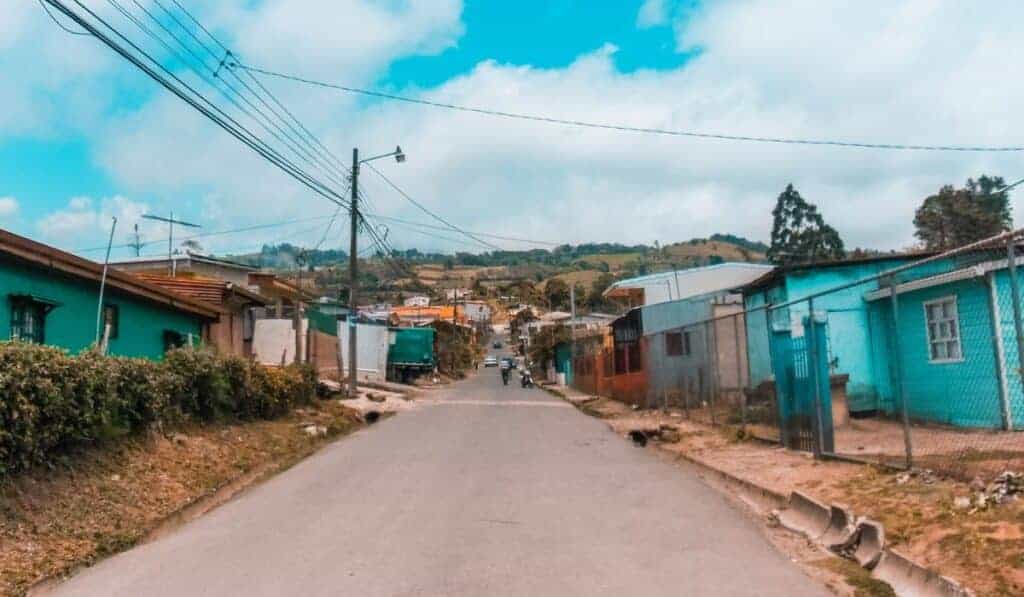
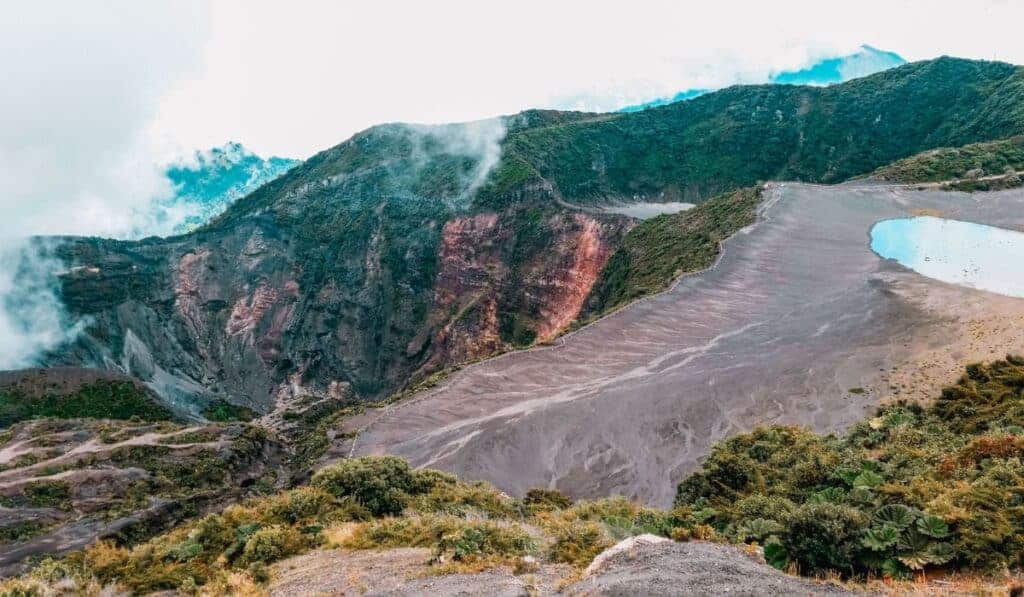
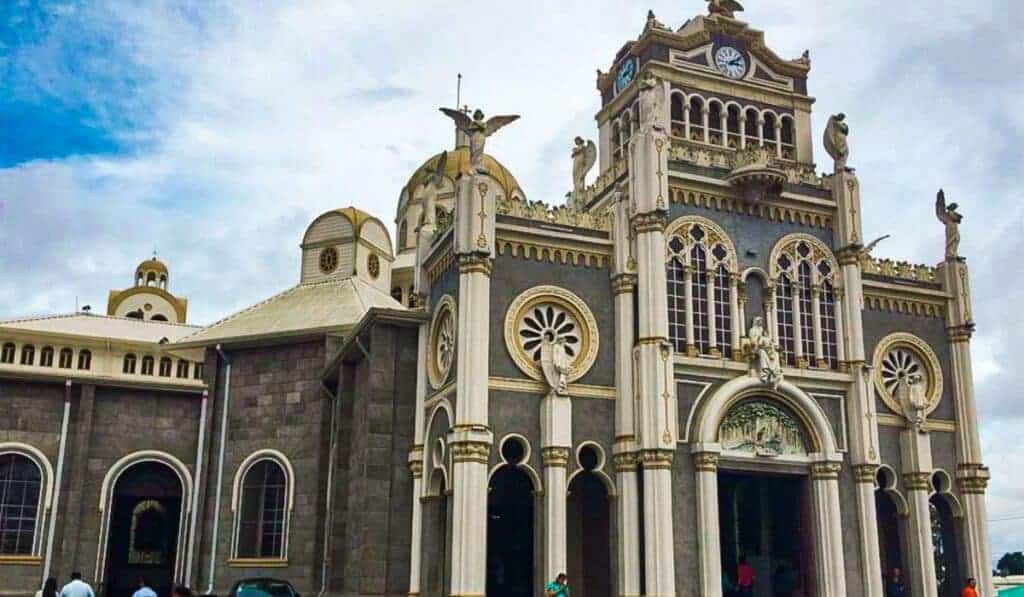
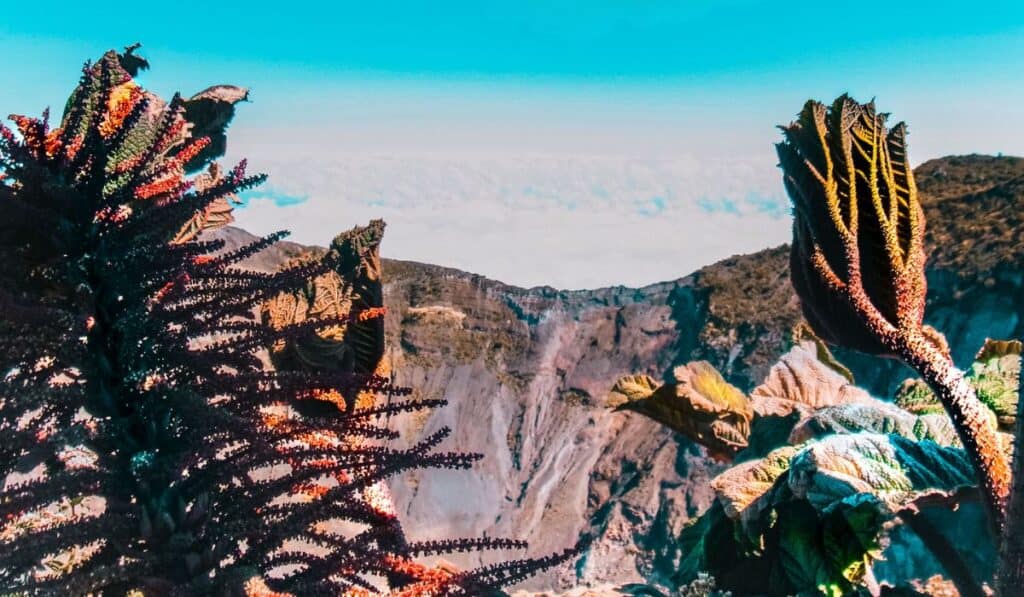
Cartago is one of Costa Rica’s oldest cities and home to important historical landmarks like the Basilica of Our Lady of the Angels. The downtown area can feel busy and hectic, but once you venture into the surrounding hills, you’ll find rolling farmland, cooler temperatures, and access to Irazú Volcano National Park.
Orosi
Best for: Quiet mountain scenery, hot springs, nature escapes
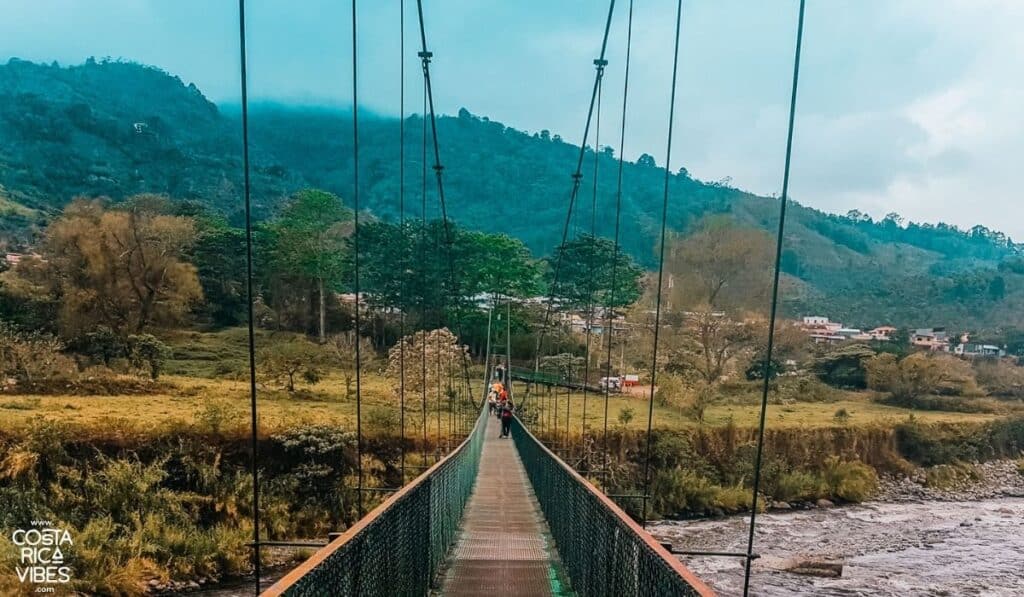
Orosi is a peaceful valley town surrounded by mountains and lush farmland. It’s a great place to escape city life without heading to the beach. Expect scenic drives, coffee farms, hot springs, and far fewer crowds than Costa Rica’s more famous destinations.

San Gerardo de Dota
Best for: Birdwatching, cloud forest, off-the-beaten-path stays
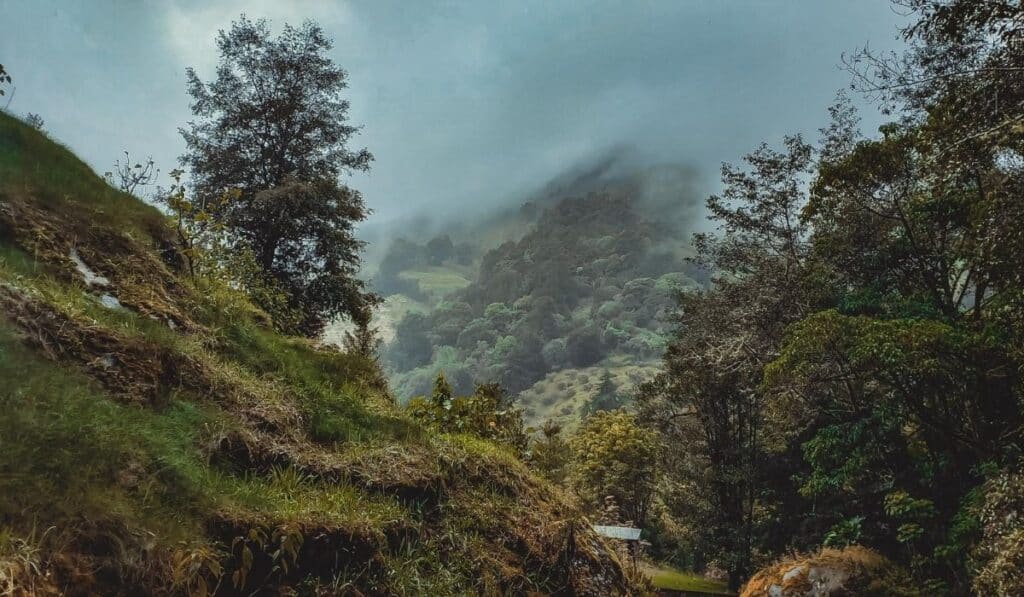
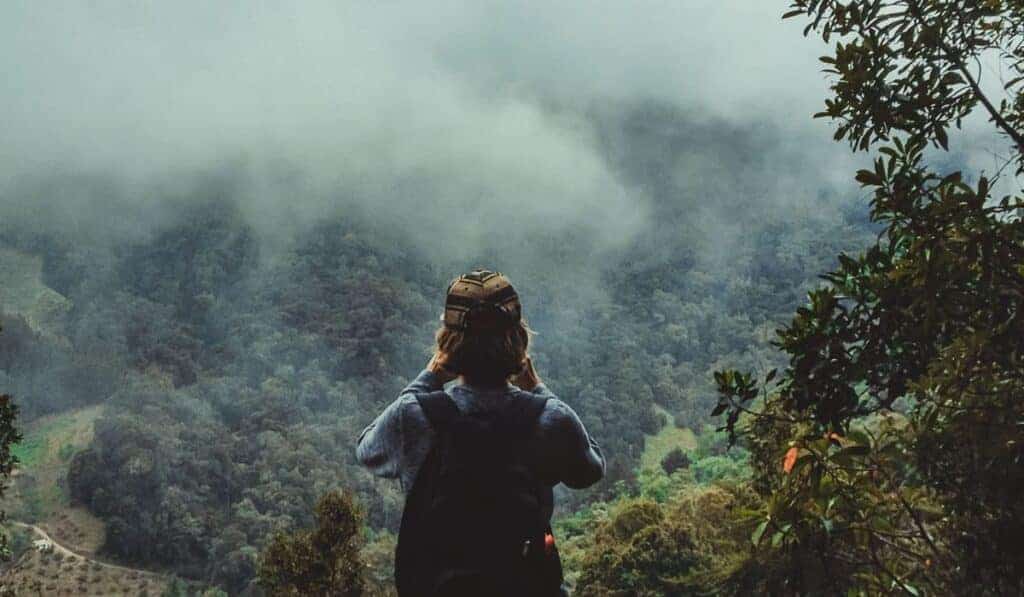
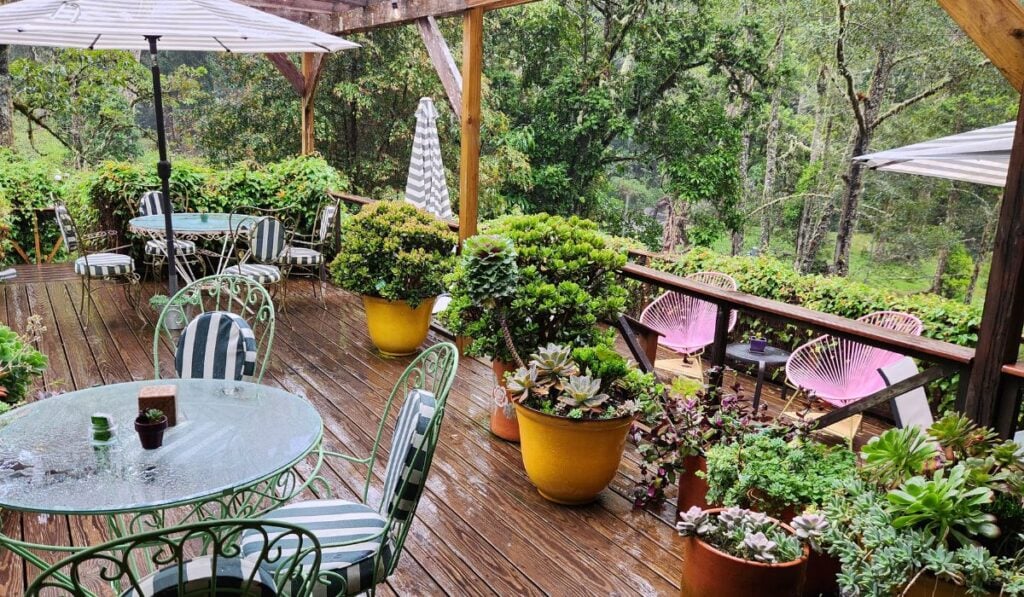
San Gerardo de Dota is a quiet mountain village nestled in the cloud forest south of San José. It’s especially popular with birdwatchers hoping to spot the Resplendent Quetzal, but it’s also ideal for hiking, trout fishing, and completely unplugging in cool mountain air. We love it here!
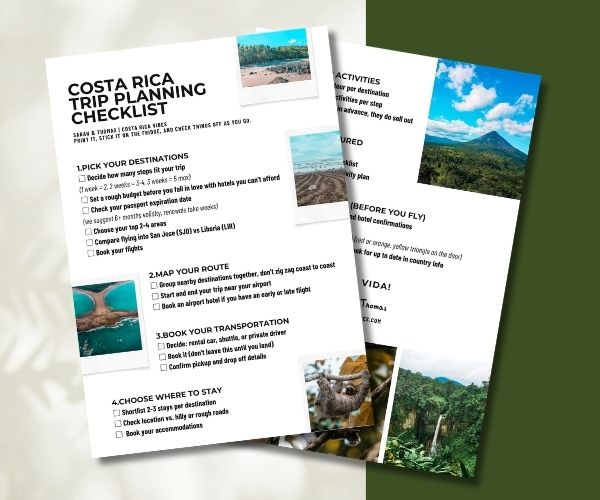
Is Costa Rica planning feeling overwhelming? Let us break it down for you.
Sign up for free, step by step guidance (plus your printable planning checklist right now) and we’ll tell you exactly what to do next, and when.
Best Things to Do
Explore San José’s Cultural Highlights
San José is Costa Rica’s capital and cultural center. While it’s not a beach destination, it offers excellent museums, restaurants, and historic architecture.
Highlights include:
- National Theater of Costa Rica
- National Museum of Costa Rica
- The Central Market for local food and souvenirs
Visit Poás Volcano
Poás Volcano National Park is one of the easiest volcanoes in Costa Rica to access. A short walk leads to a massive crater with sulfuric steam vents and surrounding cloud forest. Because of its proximity to Alajuela, it makes for an easy half-day trip.
See Irazú Volcano
Irazu Volcano National Park sits even higher than Poás and offers panoramic views on clear days. From the summit, you may be able to see both the Caribbean and Pacific coasts on a clear day.
Tour a Coffee Farm
This area is the heart of Costa Rica’s coffee-growing region. A guided coffee tour is one of the best ways to understand the country’s agricultural heritage. Many farms offer tastings and hands-on experiences.
Discover Lankester Botanical Garden
Lankester Botanical Garden is known for its collection of orchids and tropical plants. It’s an easy stop if you’re already exploring the Cartago area.
Visit La Paz Waterfall Gardens
La Paz Waterfall Gardens combines waterfalls, wildlife exhibits, and well-maintained trails. It’s family-friendly and easy to navigate.
Birdwatch in Los Quetzales National Park
Los Quetzales National Park offers cloud forest hiking and the chance to spot the famous resplendent quetzal. This park feels more off-the-beaten-path than Monteverde and appeals to serious nature lovers.
Booking Quick Links
Best Time to Visit
This region has one of the most moderate and comfortable climates in the country. Thanks to its elevation, temperatures are generally cooler than the beaches, and humidity is lower. We live here, so we may be biased, but we think it has the best all-around weather in the country.
Dry Season (Late December – April)
This is the most popular time to visit the Central Valley.
Expect:
- Warm but not overly hot daytime temperatures
- Lower humidity than coastal regions
- Windy conditions, especially from January through March
- Clearer views of surrounding volcanoes
Early Green Season (May – August)
From May through August, rainfall returns, typically in the form of afternoon showers.
You can expect:
- Sunny mornings
- Afternoon rain lasting one to two hours
- Lush green landscapes
- Fewer visitors outside of city business travel
Full days of rain are uncommon during this period.
Rainier Months (September – October)
September and October are generally the wettest months in the Central Valley. Sometimes there are complete wahsout days with very heavy rains and scary thunderstorms.
During this time:
- Rain can be heavier and more consistent
- Cloud cover increases
November typically marks the transition back toward dry season.
Temperatures & Daylight
Daytime temperatures in much of the Central Valley usually range from the mid-70s to low-80s°F (around 24–28°C), with cooler evenings that may dip into the low 60s°F (around 16–18°C), especially at higher elevations.
Because Costa Rica is near the equator, sunrise and sunset times remain fairly consistent year-round, with sunrise around 5:15–5:45am and sunset between 5:30–6:00pm.
Who the Central Valley Is Best For
It is a good fit for:
- Culture and museum lovers
- Coffee enthusiasts
- Travelers with short stays
- Visitors wanting cooler temperatures
- Those flying in or out of San José
It may not be ideal for:
- Travelers seeking classic beach vacation vibes
- People wanting a remote jungle experience

Getting to and Around the Central Valley
Because this region contains the country’s largest cities, airports, and major highways, transportation here is generally easier than in more remote areas. That said, traffic and city driving can be challenging, so planning how you’ll get around is still important.
Here are your main options.
Renting a Car (Most Flexible Option)
Renting a car is often the easiest way to explore the area, especially if you plan to visit multiple towns or nearby attractions.
Why?
- You can easily move between cities like Alajuela, Heredia, and Cartago
- Many attractions (coffee farms, volcano parks, mountain towns) are outside city centers
- Day trips to places like Poás Volcano National Park or Irazú Volcano National Park are much easier with a car
- It gives you flexibility for exploring smaller towns and viewpoints
The main downside is traffic. Rush hour around San José can be intense, particularly on weekday mornings and late afternoons.
If you want flexibility for exploring the region and taking day trips, renting a car is usually the best option.
Private Shuttle
Private shuttles are a comfortable option if you don’t want to deal with city driving.
Private shuttles are:
- Door-to-door transportation
- Comfortable and air-conditioned
- Ideal for airport transfers or hotel pickups
- Great for small groups or families
Many hotels can arrange these services, and they are commonly used for airport transfers from Juan Santamaría International Airport.
Shared Shuttle
Shared tourist shuttles are another popular option for travelers.
These are:
- More affordable than private shuttles
- Operate on fixed schedules
- Often used for routes between major tourist destinations
They can be a convenient way to travel between the Central Valley and popular destinations like La Fortuna or Monteverde without renting a car.
Public Bus (Budget Option)
Costa Rica’s public bus system is extensive, and the Central Valley is where it works best.
Buses are:
- Very affordable
- Frequent between major cities
- A common way locals travel
However, routes can still be confusing for visitors, and buses often require transfers at terminals in San José.
If you’re comfortable navigating local transportation and have a flexible schedule, buses can be a good budget-friendly option.
Important Transportation Considerations
While the Central Valley has some of the best roads in Costa Rica, there are still a few things to keep in mind.
- Traffic around San José can be heavy during rush hour in the morning and afternoon
- We suggest avoiding driving in downtown San Jose if possible. People drive like crazy and the roads are confusing
- Some mountain roads leading to small towns can be steep and winding
- Parking in city centers can be limited
- Travel times may be longer than they appear on a map
Central Valley FAQ
Is the Central Valley of Costa Rica safe for travelers?
Overall, the Central Valley is considered safe of Costa Rica for visitors. Like any city area, petty theft can occur, especially in bus stations, crowded markets, or busy downtown areas. It’s best to use common sense precautions such as not leaving valuables visible in your car and being aware of your surroundings at night.
Most travelers stay in quieter neighborhoods, boutique hotels, or smaller towns around the valley where things tend to feel more relaxed.
What should I pack for visiting Costa Rica’s Central Valley?
Because the Central Valley sits at a higher elevation, temperatures are usually cooler than the beach areas of Costa Rica.
We recommend packing layers for cooler mornings and evenings, comfortable walking shoes for city streets and coffee farms, and a light rain jacket, especially during green season (May–November).
The climate here is often described as “eternal spring,” so you’ll usually experience warm days and pleasantly cool nights.
Is Uber available in the Central Valley of Costa Rica?
Yes, ride-share services like Uber operate widely throughout the Central Valley, particularly around San José, Alajuela, and nearby suburbs.
However, Uber exists in a legal gray zone here. It is not technically legal, but it is often cheaper than regular taxis. We suggest using it cautiously and for a secure experience opt for official taxis.
Is the Central Valley worth visiting in Costa Rica?
Yes, the Central Valley is often overlooked, but it offers a lot to explore. The region is known for coffee farms, volcanoes, historic towns, and excellent food.
Many visitors use the area as a base for day trips to places like Poás Volcano National Park or Irazú Volcano National Park, or to explore charming towns such as Sarchí and Atenas.
It’s also a great place to experience local Costa Rican culture before heading to the country’s more tourist-heavy beach destinations.
You Might Also Like Visiting
The Nicoya Peninsula: A remote corner of Costa Rica filled with nice beaches. This is a popular place for yoga enthusiasts and surfers
The Caribbean Coast: The Caribbean Coast has a completely different feel than the Pacific Coast. There is a strong Afro-Caribbean culture here.
The Guanacaste Province: A popular beach area and home to Costa Rica’s other international airport. There are several nice resorts here.
….if none of those appeal to you, check out our Destination Guide page for more ideas of places to visit.